
Gopal Lagdhir

Expertise in UX/UI design and creative problem-solving from concept to production, I try as much as possible to provide high-quality work while keeping in mind that design should be a simple solution to a complex problem, so it should be understandable and easy to use.
App Gamification
Blog

Drive User Engagement and Loyalty with Gamification in Content Management

Gamification in Content Management Gamification in digital experiences Introduction to Gamification in Content Management Gamification uses game mechanics and elements to make user experiences more interactive and engaging. In content management, it helps boost user participation, loyalty, and satisfaction by tapping into people’s natural desire for competition, achievement, and recognition. Whether through virtual rewards like points and badges or real-world incentives such as discounts, gamification transforms ordinary content tasks into motivating experiences. It also enables content teams to track behavior and fine-tune content delivery for better performance and engagement. Definition of Gamification Gamification is the process of adding game-like elements to non-game contexts. In content management systems (CMS), this includes features like rewards, levels, badges, and challenges that encourage users to interact more with content. Though not involving actual video games, gamification uses techniques from game design to turn routine actions into fun, goal-oriented experiences. This leads to increased engagement, higher retention, and better performance from content contributors and consumers. Types of Games Used in

Read More »
Concise Microcopy for User Interfaces
Blog

Crafting Clear and Concise Microcopy for User Interfaces

Introduction to Clear & Concise Microcopy for User Interfaces Microcopy refers to the small, subtle text elements within user interfaces—labels, prompts, confirmations, and brief instructions—that guide user interaction. While small in size, these words play a significant role in shaping the user experience. Poorly written microcopy leads to confusion and frustration, while great microcopy builds trust, improves usability, and boosts conversions. Effective microcopy is clear, concise, and contextually relevant. It should direct users seamlessly through tasks, remove friction, and promote emotional engagement. It’s not just about functionality—microcopy should reflect brand personality and establish a meaningful connection with users. This article explores how to create microcopy that is accurate, helpful, and emotionally resonant while meeting UX, accessibility, and localization standards. Defining Clear & Concise Content for User Interfaces Writing concise UI content means communicating clearly and briefly. Avoid unnecessary words or complex phrasing. Instead, use plain, direct language that guides the user efficiently through the interface. Structure your sentences logically and eliminate anything that doesn’t serve

Read More »

Boost Your Website’s Performance with “Dynamic Content Personalization”

Introduction to Dynamic Content Personalization Dynamic content personalization is a powerful technique that tailors your website, online store, or digital experience specifically to each individual user. By adapting content in real time, visitors can enjoy a more engaging and personalized experience. Whether it’s customizing product recommendations, displaying specific offers, or suggesting relevant blog posts, dynamic content personalization helps you create experiences that align with each user’s needs and interests. By adjusting content proactively based on a visitor’s profile and behavior, dynamic content personalization boosts user engagement, increases conversion rates, and enhances the overall customer experience. As a result, it has become an essential strategy in today’s competitive digital environment. Whether you are just beginning with dynamic content personalization or looking to refine an existing strategy, this guide offers a comprehensive overview. You’ll find everything you need to know to start delivering real-time, personalized experiences to your audience. Types of Dynamic Content Personalization Dynamic content personalization offers a flexible way to deliver unique and relevant experiences

Read More »
Master CMS Performance
Blog

Master CMS Performance with Optimization Strategies

Introduction to CMS Performance Monitoring and Optimization Strategies Having a reliable, secure, and high-performing Content Management System (CMS) is essential for managing any website. A good CMS ensures a smooth user experience every time someone visits your site. To achieve this, it’s crucial to monitor and optimize its performance consistently. This guide provides actionable strategies to enhance CMS performance. By following these techniques, you can ensure that your website operates efficiently and delivers the best experience to your audience. We’ll start by defining performance goals, then identify performance bottlenecks, and optimize your database configuration. We’ll also cover server tuning, caching, minification, and choosing the right CMS. Lastly, we’ll discuss ongoing performance monitoring and security optimization. Defining Your Goals for Maximum Performance Before optimizing your CMS, it’s important to define your performance goals. Clear objectives guide your efforts and prevent missteps that might hurt your site’s performance. Set both short-term and long-term goals. Short-term goals might include improving peak load times, while long-term goals focus on

Read More »
Benefits of Content Previews and Approvals
Blog

Unlock Benefits of Content Previews and Approvals for Your CMS

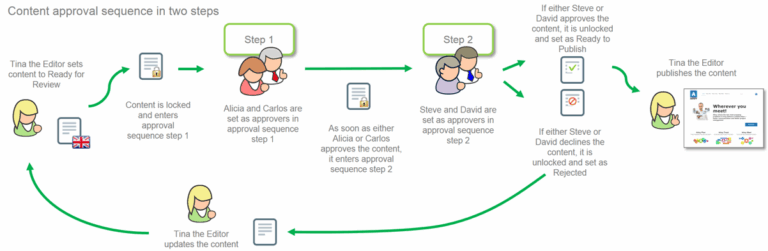
The Benefits of Content Previews and Approvals Content previews and approval workflows are essential for managing content effectively in a CMS. With a solid system, teams can create, review, and approve content more quickly and accurately. These workflows streamline content management, improve collaboration, and save valuable time. They help ensure accuracy and consistency in all published content. Previews allow teams to check for errors, maintain branding, and ensure messaging is targeted. Stakeholders can also review content before publication to align it with audience expectations. Content approvals reduce the risk of last-minute revisions and mistakes. Since content is reviewed in advance, it minimizes rushed updates and helps maintain content quality. Moreover, approval workflows allow for better project tracking. By assigning clear roles and deadlines, teams can keep content production on schedule and avoid delays. Understand the Necessary Prerequisites Before implementing a preview and approval system in your CMS, certain prerequisites must be in place. These foundational elements ensure a smooth and effective process. Infrastructure: Ensure your

Read More »
Benefits of AI and ML
Blog

Unlock the Benefits of ML and AI for Building CMS Solutions

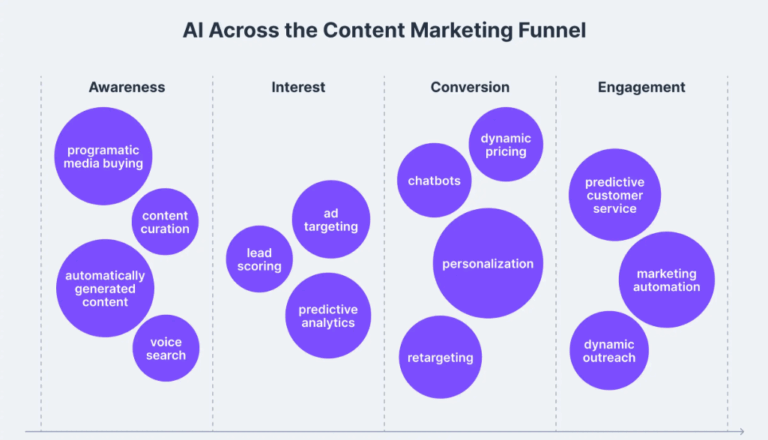
Introduction: A Brief Overview of Machine Learning and AI Artificial Intelligence (AI) and Machine Learning (ML) have seen significant growth over the last few decades. AI refers to the development of intelligent systems that can think, reason, and respond like humans. ML, a branch of AI, uses data-driven algorithms to learn and adapt over time. These technologies now play a critical role in enhancing Content Management System (CMS) solutions. As CMS platforms handle vast amounts of data, integrating AI and ML helps process information more efficiently. These tools can automate repetitive tasks, allowing teams to focus on strategy and creativity. This guide explores how AI and ML can enhance CMS functionality. You’ll learn about the benefits, challenges, best practices, and how to successfully integrate AI and ML into your CMS. With this knowledge, you can optimize your CMS performance using cutting-edge technology. Exploring the Benefits of Implementing CMS Solutions with Machine Learning and AI Capabilities As digital demands grow, technologies like AI and ML have

Read More »