
Gopal Lagdhir

Expertise in UX/UI design and creative problem-solving from concept to production, I try as much as possible to provide high-quality work while keeping in mind that design should be a simple solution to a complex problem, so it should be understandable and easy to use.
Benefits of Content Versioning
Blog

Unlock Benefits of Content Versioning and Collaboration

Introduction to Content Versioning and Collaboration Content versioning and collaboration help teams work together on files like documents, images, and videos. This process allows teams to track changes, maintain version history, and ensure everyone is working on the same page. For creative projects, this process is highly useful. It helps track updates and keeps all team members informed about changes. With version control, it’s easy to resolve conflicts and see who made what changes. To succeed with content versioning and collaboration, teams must understand several components. These include setting up a version management system, using the right tools, creating content versions effectively, and applying template-based workflows. Automation tools also make the process smoother. Understanding these parts ensures efficient and productive collaboration. Benefits of Content Versioning and Collaboration Content versioning and collaboration offer strong tools to manage different versions of content like documents, designs, or creative files. Teams can work on separate parts without overwriting each other’s work. It also helps resolve conflicts that may arise

Read More »
Block Chain
Blog

Unlock Transparency with Blockchain in Content Management

Introduction to Blockchain Technology Blockchain technology is a revolutionary, distributed ledger system that enables secure digital transactions. It operates as a decentralized system where each transaction is recorded in a public, digital ledger called a blockchain. This ledger is accessible to anyone on the network, offering an unprecedented level of transparency in the financial world. The blockchain consists of blocks of data. These blocks contain information about a particular transaction, such as the date, time, and amount. Each block is assigned to a node, or computer, that stores the data and confirms its accuracy. After verification, the data is stored in a decentralized ledger, which is viewable by the public. This makes the system transparent and secure. While blockchain is widely known for powering digital currencies like Bitcoin, its potential extends far beyond finance. For instance, in content management, blockchain offers a secure and transparent platform for collaboration and content distribution. This technology helps ensure the authenticity and accuracy of digital assets. It also maintains

Read More »
optimize-cms
Blog

Take Control: Optimize CMS Performance with Caching and Query Techs

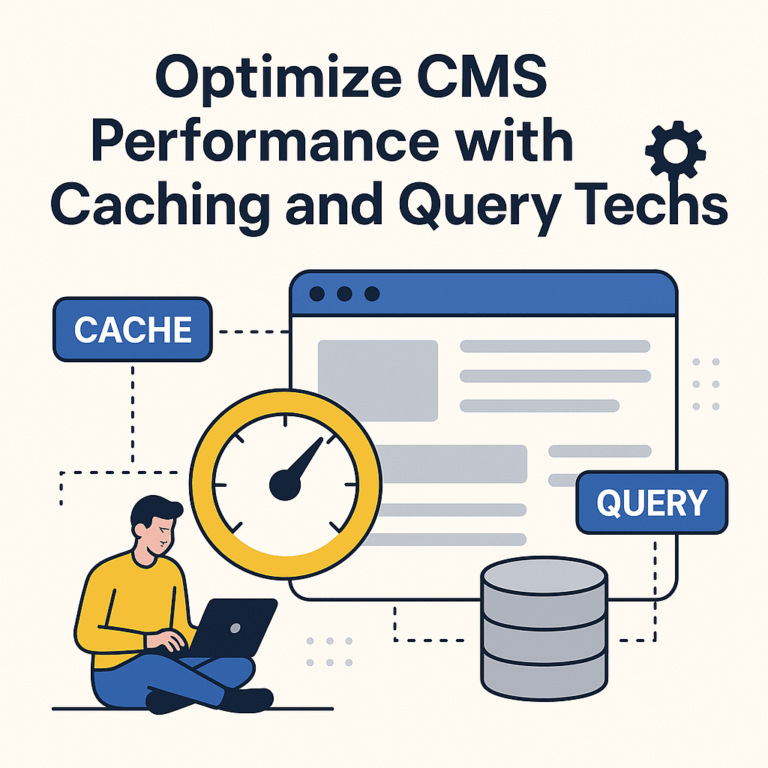
Introduction – Why CMS performance optimization? Maintaining a high-performing CMS (Content Management System) is crucial for any website. A poorly optimized CMS can become sluggish over time, making it difficult for users to access features efficiently. Slow performance often leads to user frustration and reduced engagement. The good news is that optimizing your CMS for performance is achievable. Two common methods used are caching and query optimization. Caching stores content in memory, allowing quicker responses to user requests without retrieving data each time. Query optimization, on the other hand, enhances database speed and efficiency. Together, these techniques significantly improve CMS speed and performance. This guide explains the fundamentals of caching and query optimization. You’ll learn how to implement these strategies and understand their limitations. We’ll also discuss how to test your performance improvements. By the end, you’ll know how to apply these techniques to get the best results from your CMS. What is Caching? Caching stores data temporarily for faster access, improving page loading speed

Read More »
kpi
Blog

The Ultimate Guide to Content Performance Metrics that Matter

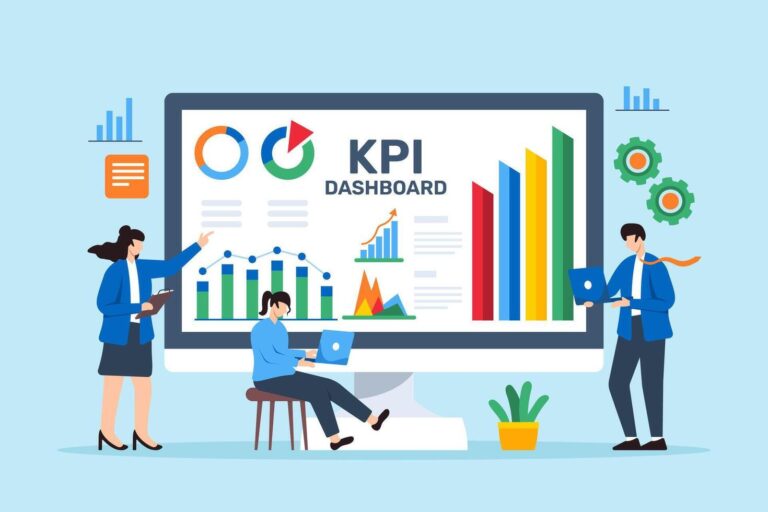
Understanding the Purpose of Content Performance Monitoring and Reporting Content performance monitoring and reporting help measure how well your website, digital content, and social media channels are performing. This process allows you to identify what is working and what isn’t, enabling you to make data-driven decisions to improve and optimize your content for better reach. Key performance indicators (KPIs) offer measurable and actionable insights into content performance. These indicators help you track and compare data over time, spot areas that need improvement, and develop content that is more effective and engaging. Common KPIs include metrics such as web traffic, SEO performance, user engagement, customer service feedback, and survey responses. Regular monitoring of these metrics enables you to identify top-performing content and determine which pieces need revision or removal. Monitoring content performance not only shows you what’s successful but also provides a deeper understanding of your audience. Knowing what type of content your audience prefers allows you to create content that resonates and drives more traffic

Read More »
Increase Inclusivity and Accessibility
Blog

Increase Inclusivity and Accessibility

Ensure Everyone Can Access Your Content: Increase Inclusivity and Accessibility Content accessibility refers to how content is made available to users with disabilities or other special needs. It involves making sure all users can easily access, understand, and interact with web content, regardless of physical, cognitive, language, cultural, or technological barriers. This includes supporting assistive technologies like screen readers, keyboard-only interfaces, and voice recognition tools. Creating accessible content ensures an inclusive experience for everyone. It also helps meet minimum accessibility standards, such as those outlined by the Americans with Disabilities Act (ADA). Since not all users have access to the same technologies, making content available in multiple formats is essential. Accessible content must also be understandable and navigable by all. That means using clear language, enough white space, and simple structure. Headings, links, and images should make sense to all users, including those using assistive devices. When designing content, consider how it’s used by all audiences. Ensure font sizes are readable, provide subtitles for videos,

Read More »
AR and VR
Blog

Unlock the Possibilities of AR and VR in Content Management

Introduction to Augmented Reality (AR) and Virtual Reality (VR) Augmented Reality (AR) and Virtual Reality (VR) are two distinct but related technologies that are transforming how we interact with digital content. These technologies have revolutionized user experiences, making it possible to manage content in innovative ways. AR integrates computer-generated images and data into the real world, allowing users to interact with content in an immersive manner. VR, on the other hand, creates a fully virtual environment for users to explore. Both aim to provide a realistic and engaging digital experience. AR and VR are widely used across various fields, from gaming and education to training and content management. They enhance interactivity and engagement with digital assets, making them valuable tools for content creators and organizations. This guide explores the basics of AR and VR, their benefits in content management, technologies involved, security considerations, real-world use cases, and much more. By the end, you’ll understand how to implement these technologies to create effective content management strategies.

Read More »