Gopal Lagdhir

Expertise in UX/UI design and creative problem-solving from concept to production, I try as much as possible to provide high-quality work while keeping in mind that design should be a simple solution to a complex problem, so it should be understandable and easy to use.
Block Chain
Blog

Unlock Transparency with Blockchain in Content Management

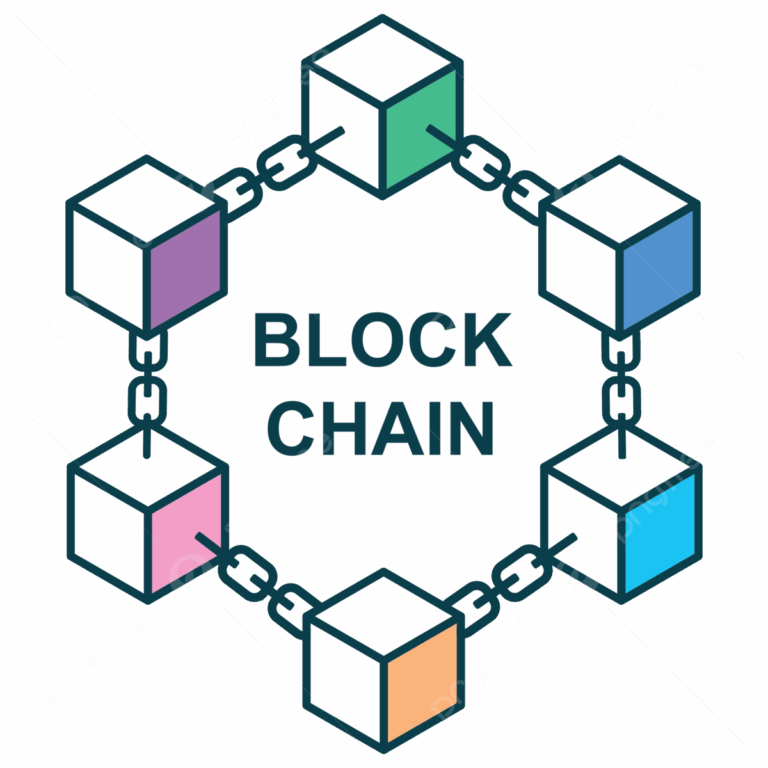
Introduction to Blockchain Technology Blockchain technology is a revolutionary, distributed ledger system that enables secure digital transactions. It operates as a decentralized system where each transaction is recorded in a public, digital ledger called a blockchain. This ledger is accessible to anyone on the network, offering an unprecedented level of transparency in the financial world. The blockchain consists of blocks of data. These blocks contain information about a particular transaction, such as the date, time, and amount. Each block is assigned to a node, or computer, that stores the data and confirms its accuracy. After verification, the data is stored in a decentralized ledger, which is viewable by the public. This makes the system transparent and secure. While blockchain is widely known for powering digital currencies like Bitcoin, its potential extends far beyond finance. For instance, in content management, blockchain offers a secure and transparent platform for collaboration and content distribution. This technology helps ensure the authenticity and accuracy of digital assets. It also maintains
Read More »
marketing-automation
Blog

Unleash the Power of CMS and Marketing Automation Boost Conversion Rates

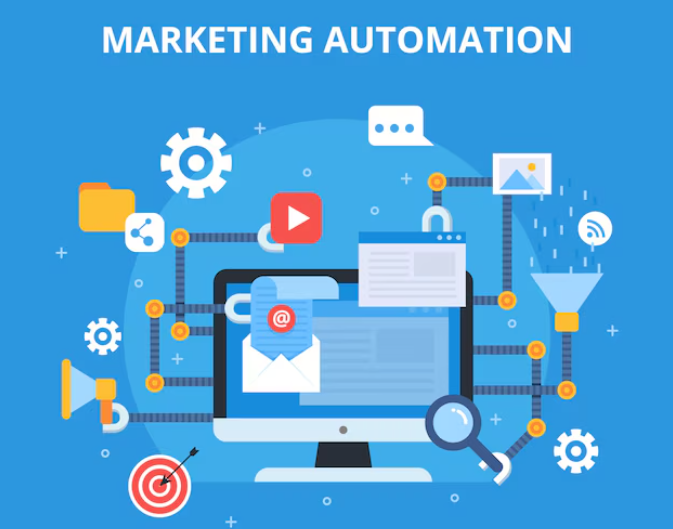
Introduction to Integrating CMS with Marketing Automation Integrating content management systems with marketing automation offers incredible opportunities to boost conversion rates. It creates a connected platform for content and marketing, which leads to better customer engagement, streamlined campaigns, deeper insights into customer behavior, and more. These integrations are imperative in today’s digital marketing landscape. Content management systems (CMS) are software solutions that manage web pages, blogs, images, videos, and other digital assets. Think of them as the back-end “brain” of your website—where you create, store, and publish. In contrast, marketing automation tools automate marketing tasks. They help marketers optimize campaigns, target audiences, and generate leads more efficiently. Combining CMS and marketing automation forms a powerful duo. First, integration gives you valuable customer data. Then, you can personalize and segment content to increase engagement. As a result, customers enjoy better experiences, which boosts conversion rates. In this guide, we’ll explore how to integrate CMS with marketing automation successfully. We’ll also discuss its benefits, how to choose

Read More »
channel-marketing
Blog

Unveil Your Multichannel Content Management Plan

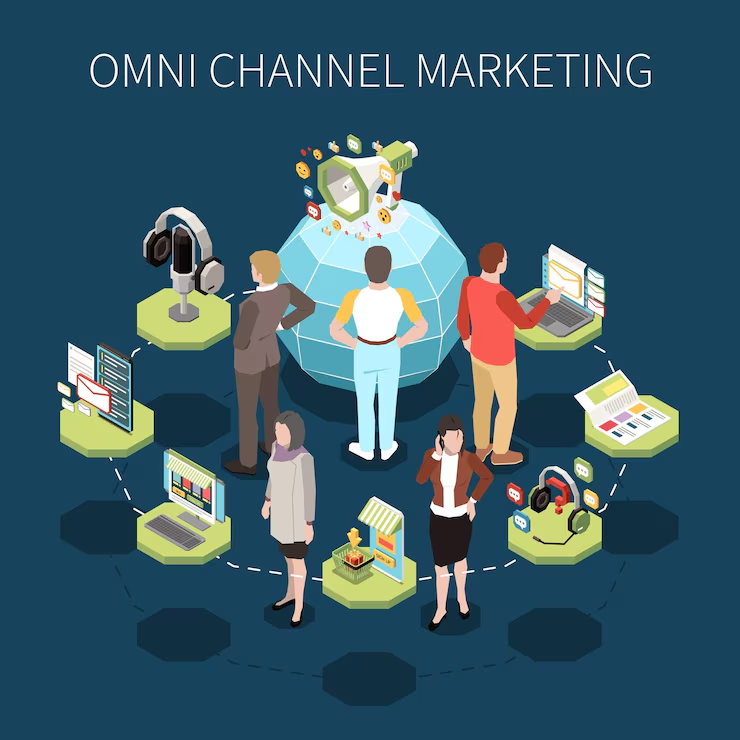
Introduction to Multichannel Content Management Multichannel content management ensures a consistent brand experience across print, web, social media, and more. It requires coordinating and updating each channel’s content. As a result, your messages stay consistent and your branding remains on point. An effective strategy can transform your business. By consolidating content and delivering it consistently, you build a strong, recognizable brand. This boosts customer loyalty and trust. Also, managing content on multiple channels helps you reach more people. A consistent message across platforms helps you stand out from competitors. To maintain consistency, you must plan and prepare carefully. You need to know each channel well. That means understanding its strengths and challenges. Then, create content that adapts seamlessly across platforms. Benefits of a Consistent Brand Experience Delivering a consistent brand experience can build long-term customer relationships. Customers stay loyal when they see the same visuals, tone, and values—no matter where they engage. Consistent branding also strengthens recognition. Over time, consumers learn to identify your brand

Read More »
content-personalization
Blog

What is Content Personalization and Why is it Important?

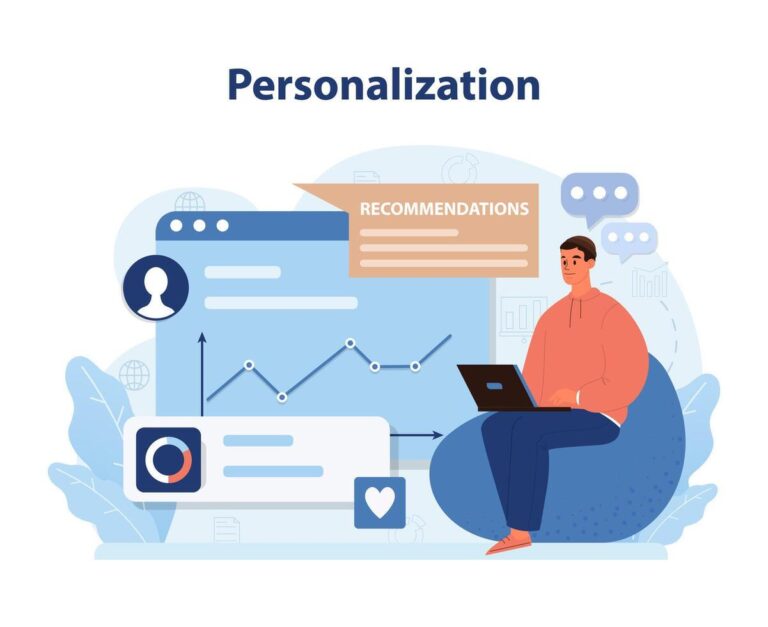
Introduction: What is Content Personalization and Why is it Important? Content personalization is the practice of tailoring website content, advertising messages, and emails to an individual’s interests or preferences. Through personalization, brands can deliver a more relevant, engaging, and meaningful experience for customers. The goal of content personalization is to create a unique journey for each customer by delivering content that resonates with their interests. This leads to increased engagement and conversions, as customers feel more connected to the brand. Personalization can also save time by automating content delivery, customer segmentation, onboarding, and other processes. Automation makes it easier to manage personalization at scale. However, while automation brings efficiency, it can sometimes lead to disconnected experiences. That’s why it’s important to find the right balance—leveraging automation while maintaining a human touch. By combining automation with human interaction, brands can deliver highly personalized content at scale, improving customer satisfaction and brand loyalty. Developing a Strong Personalization Strategy Content personalization plays a vital role in digital marketing

Read More »
api-content
Blog

Master Content Syndication and Integration With an API-first CMS

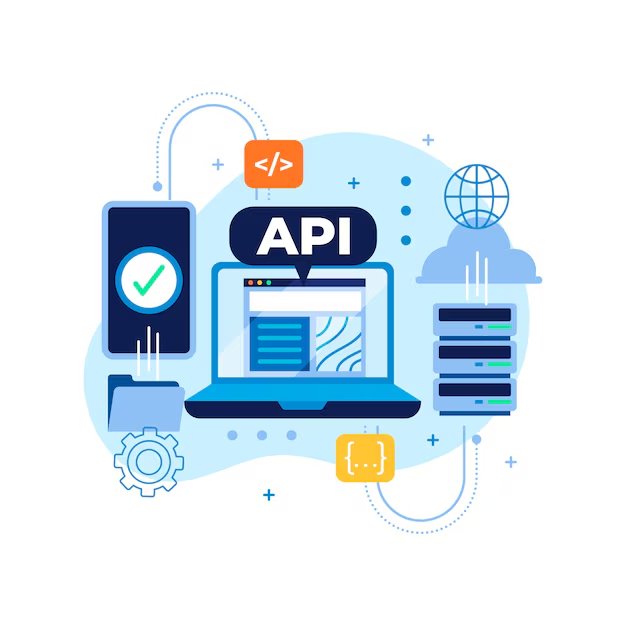
What Is an API-first CMS? Introduction and Key Concepts An API-first CMS is an innovative way to manage content for websites and applications. Its primary feature is the use of application programming interfaces (API) to access and share data across multiple platforms. This type of content management system creates efficiency by minimizing the amount of manual coding and development needed. At its core, an API-first CMS makes it easier to integrate with other services and platforms such as websites, mobile apps, and analytics tools. It enables content to be consumed and distributed in different formats depending on the situation. For example, it is possible to display a web page as a PDF file, or share blog posts on social media. An API-first CMS also supports syndication of content, which means it can be automatically shared on multiple websites or applications. An API-first CMS is especially helpful to marketers who are managing a lot of content. Instead of manually uploading content to multiple locations, they can

Read More »
cicd
Blog

Automate Deployments with CI/CD for Your CMS

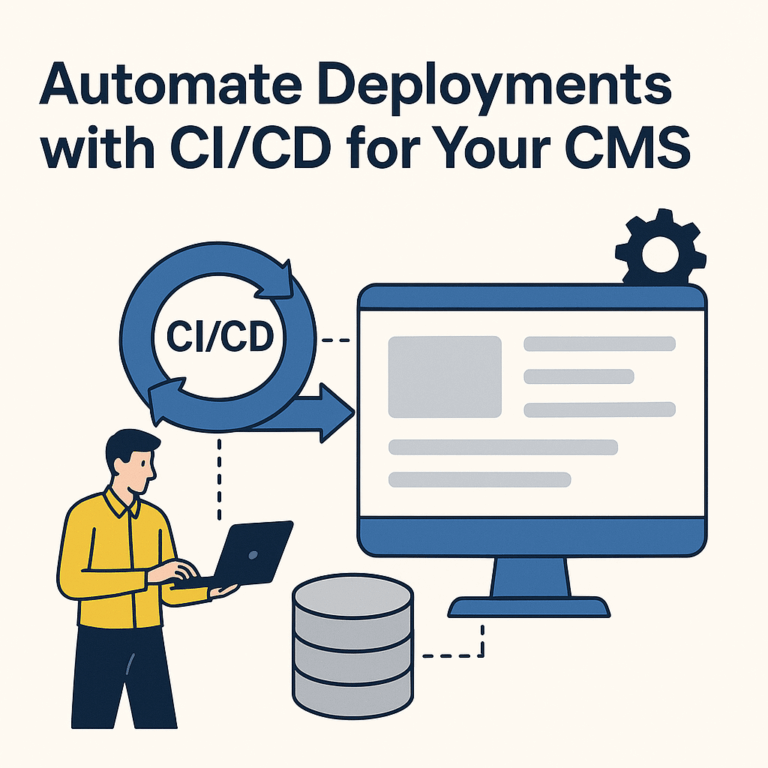
CI/CD for CMS: Automate Deployment & Boost Performance CI/CD for CMS is a powerful practice that automates how content management systems like WordPress and Drupal are developed, tested, and deployed. In this guide, you’ll learn how to set up a CI/CD pipeline, the benefits for CMS platforms, and which tools can make your deployment faster, safer, and error-free. What is CI/CD? CI/CD stands for Continuous Integration and Continuous Delivery or Deployment. It automates the entire software lifecycle—from code commit to production deployment. With CI/CD, developers merge code into a central repository where automated builds and tests run to ensure everything works as expected. Benefits of CI/CD for CMS Higher Quality Control: Automated testing ensures all code changes are verified before going live, reducing bugs and regressions. Faster Deployment Times: Code changes are tested and deployed quickly with minimal human intervention. Reduced Risk: Continuous testing detects issues early, and rollbacks are faster and safer. Overview of Popular CMS Choosing the right CMS is the foundation for

Read More »