
Blog

A “blog,” short for “weblog,” is an online platform where individuals, organizations, or businesses regularly publish written content in a chronological order. These posts, often written in an informal and conversational style, cover a wide range of topics, including personal experiences, hobbies, news, opinions, and expertise in various fields. Blogs provide a means for authors, known as bloggers, to share information, express their thoughts, and engage with a readership through comments and discussions. Blogs can serve as a creative outlet, a marketing tool, or a source of information and entertainment. They have become an essential part of the digital landscape, with many blogs addressing niche interests and contributing to the dissemination of information and ideas on the internet.

mobile-ready-content
Blog

Make your Content Mobile Ready: Strategies and Tactics

Exploring the Basics of Mobile Content Management It’s not enough to simply have a website—you also need to ensure that your content is optimized for mobile devices. With mobile content management, you can create content that functions effectively on smartphones and tablets. This approach helps tailor your website for various device capabilities, screen sizes, and user needs. It also improves navigation, design, and the overall user experience on mobile platforms. To begin, understand how your content appears and behaves on a mobile device. Start by evaluating your current content to see how well it translates to smaller screens. From there, determine the types of content most effective for mobile users. Visual formats like videos, slideshows, and infographics often work best on mobile screens. Simplifying navigation is also essential. Reduce unnecessary steps when users are seeking information or completing tasks. Additionally, make sure visuals are optimized—adjust font sizes, typography, and colors to maintain readability on mobile devices. Finally, enhance engagement with images, videos, and multimedia. Use
Read More »
third-party-intigration
Blog

Unlock the Benefits of Integrating Third-Party Services into a CMS

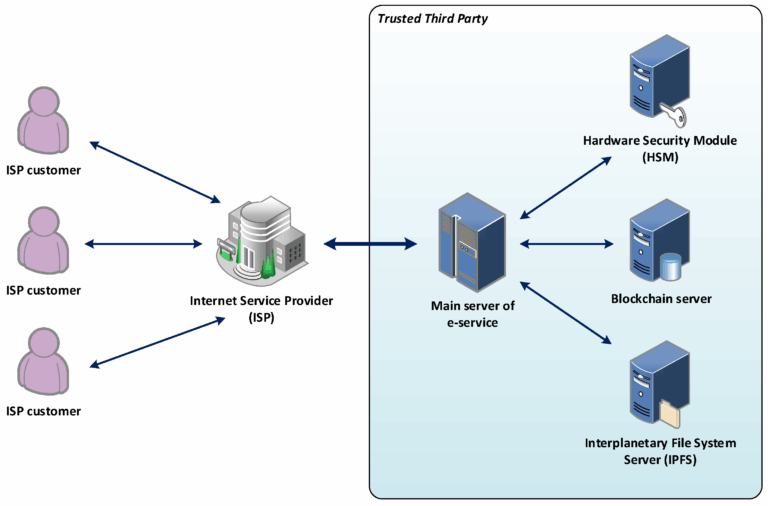
Integrating Third-Party Services and APIs into a CMS Integrating third-party services and APIs into a content management system (CMS) means connecting external programs and applications with your CMS. This integration helps you access useful functions, services, and data from outside sources. It is essential for improving how you manage your website. There are many advantages to this process. With the right integrations, you can add features that your CMS doesn’t support by default—like enhanced analytics, automation tools, or social media connections. For instance, you can integrate social media platforms to post content directly from your CMS. These services also improve your website’s security. By blocking unauthorized access and detecting malicious activities, they help protect your site. You also gain more control over who can access sensitive data. Another benefit is improved customization. You can tailor the design, structure, and features of your website more easily by connecting external apps. However, the integration process can be complex. It’s crucial to evaluate the benefits, understand access controls,

Read More »
content-management-system
Blog

Master CMS Transitions: Strategies for Content Migration

Make Content Migration Seamless with Planning and Tools Content migration is a significant task when transitioning to a new CMS platform. Without the right strategies, it can become a complex and time-consuming process. Fortunately, various methods can simplify this process and ensure smooth content transfer without disruptions. This guide covers top content migration strategies for CMS transitions, key considerations, content preparation tips, and best practices to ensure success. Content migration involves transferring digital content from one platform to another. Whether moving from one CMS to another or between websites, several strategies can help streamline the process. Each method has its own pros and cons, so selecting the most suitable approach is crucial based on your requirements. No matter the chosen strategy, key considerations include the volume of content to be migrated, the complexity of the content, and the overall timeline and budget. Addressing these factors before initiating the migration can save time, reduce effort, and prevent potential issues down the line. Why Consider Content Migration

Read More »
Benefits of Content Versioning
Blog

Unlock Benefits of Content Versioning and Collaboration

Introduction to Content Versioning and Collaboration Content versioning and collaboration help teams work together on files like documents, images, and videos. This process allows teams to track changes, maintain version history, and ensure everyone is working on the same page. For creative projects, this process is highly useful. It helps track updates and keeps all team members informed about changes. With version control, it’s easy to resolve conflicts and see who made what changes. To succeed with content versioning and collaboration, teams must understand several components. These include setting up a version management system, using the right tools, creating content versions effectively, and applying template-based workflows. Automation tools also make the process smoother. Understanding these parts ensures efficient and productive collaboration. Benefits of Content Versioning and Collaboration Content versioning and collaboration offer strong tools to manage different versions of content like documents, designs, or creative files. Teams can work on separate parts without overwriting each other’s work. It also helps resolve conflicts that may arise

Read More »
ucg
Blog

User-Generated Content (UGC) – Harness the Power of UGC

Introduction to User-Generated Content User-generated content (UGC) is any type of content created and shared online by users rather than brands or companies. This includes blog posts, images, videos, or reviews that are shared on digital platforms. UGC has become an essential part of digital marketing as it builds authentic relationships between brands and consumers. With the rise of social media platforms like Twitter, Instagram, Snapchat, and YouTube, consumers are more vocal than ever. They share opinions and experiences that offer marketers a chance to use UGC as a tool for building customer loyalty. Unlike brand-created content, UGC is seen as more genuine. It’s created by real people sharing their real experiences. This authenticity makes UGC powerful and persuasive when backed by a strong strategy. UGC helps build trust. Consumers tend to trust peer reviews over brand messaging. It also boosts engagement since real-life experiences are often more relatable than curated marketing content. When used strategically, UGC can increase reach and create deeper connections with

Read More »
AR and VR
Blog

Unlock the Possibilities of AR and VR in Content Management

Introduction to Augmented Reality (AR) and Virtual Reality (VR) Augmented Reality (AR) and Virtual Reality (VR) are two distinct but related technologies that are transforming how we interact with digital content. These technologies have revolutionized user experiences, making it possible to manage content in innovative ways. AR integrates computer-generated images and data into the real world, allowing users to interact with content in an immersive manner. VR, on the other hand, creates a fully virtual environment for users to explore. Both aim to provide a realistic and engaging digital experience. AR and VR are widely used across various fields, from gaming and education to training and content management. They enhance interactivity and engagement with digital assets, making them valuable tools for content creators and organizations. This guide explores the basics of AR and VR, their benefits in content management, technologies involved, security considerations, real-world use cases, and much more. By the end, you’ll understand how to implement these technologies to create effective content management strategies.

Read More »