
Blog

A “blog,” short for “weblog,” is an online platform where individuals, organizations, or businesses regularly publish written content in a chronological order. These posts, often written in an informal and conversational style, cover a wide range of topics, including personal experiences, hobbies, news, opinions, and expertise in various fields. Blogs provide a means for authors, known as bloggers, to share information, express their thoughts, and engage with a readership through comments and discussions. Blogs can serve as a creative outlet, a marketing tool, or a source of information and entertainment. They have become an essential part of the digital landscape, with many blogs addressing niche interests and contributing to the dissemination of information and ideas on the internet.

Increase Inclusivity and Accessibility
Blog

Increase Inclusivity and Accessibility

Ensure Everyone Can Access Your Content: Increase Inclusivity and Accessibility Content accessibility refers to how content is made available to users with disabilities or other special needs. It involves making sure all users can easily access, understand, and interact with web content, regardless of physical, cognitive, language, cultural, or technological barriers. This includes supporting assistive technologies like screen readers, keyboard-only interfaces, and voice recognition tools. Creating accessible content ensures an inclusive experience for everyone. It also helps meet minimum accessibility standards, such as those outlined by the Americans with Disabilities Act (ADA). Since not all users have access to the same technologies, making content available in multiple formats is essential. Accessible content must also be understandable and navigable by all. That means using clear language, enough white space, and simple structure. Headings, links, and images should make sense to all users, including those using assistive devices. When designing content, consider how it’s used by all audiences. Ensure font sizes are readable, provide subtitles for videos,

Read More »
kpi
Blog

The Ultimate Guide to Content Performance Metrics that Matter

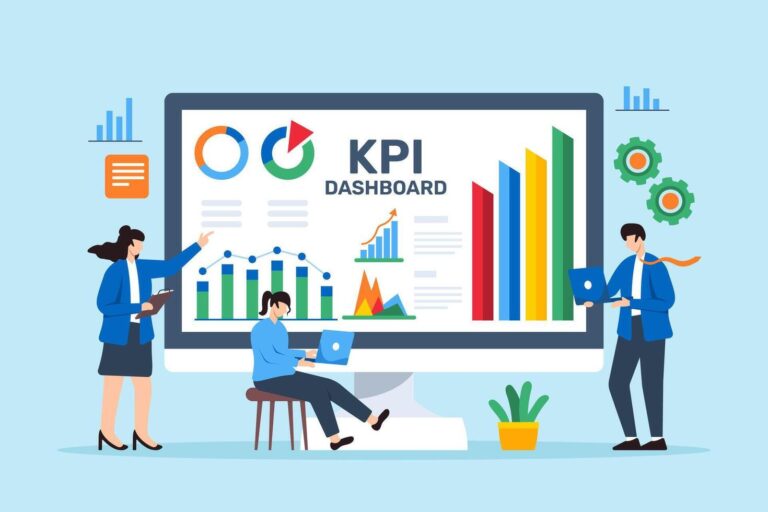
Understanding the Purpose of Content Performance Monitoring and Reporting Content performance monitoring and reporting help measure how well your website, digital content, and social media channels are performing. This process allows you to identify what is working and what isn’t, enabling you to make data-driven decisions to improve and optimize your content for better reach. Key performance indicators (KPIs) offer measurable and actionable insights into content performance. These indicators help you track and compare data over time, spot areas that need improvement, and develop content that is more effective and engaging. Common KPIs include metrics such as web traffic, SEO performance, user engagement, customer service feedback, and survey responses. Regular monitoring of these metrics enables you to identify top-performing content and determine which pieces need revision or removal. Monitoring content performance not only shows you what’s successful but also provides a deeper understanding of your audience. Knowing what type of content your audience prefers allows you to create content that resonates and drives more traffic

Read More »
optimize-cms
Blog

Take Control: Optimize CMS Performance with Caching and Query Techs

Introduction – Why CMS performance optimization? Maintaining a high-performing CMS (Content Management System) is crucial for any website. A poorly optimized CMS can become sluggish over time, making it difficult for users to access features efficiently. Slow performance often leads to user frustration and reduced engagement. The good news is that optimizing your CMS for performance is achievable. Two common methods used are caching and query optimization. Caching stores content in memory, allowing quicker responses to user requests without retrieving data each time. Query optimization, on the other hand, enhances database speed and efficiency. Together, these techniques significantly improve CMS speed and performance. This guide explains the fundamentals of caching and query optimization. You’ll learn how to implement these strategies and understand their limitations. We’ll also discuss how to test your performance improvements. By the end, you’ll know how to apply these techniques to get the best results from your CMS. What is Caching? Caching stores data temporarily for faster access, improving page loading speed

Read More »
Block Chain
Blog

Unlock Transparency with Blockchain in Content Management

Introduction to Blockchain Technology Blockchain technology is a revolutionary, distributed ledger system that enables secure digital transactions. It operates as a decentralized system where each transaction is recorded in a public, digital ledger called a blockchain. This ledger is accessible to anyone on the network, offering an unprecedented level of transparency in the financial world. The blockchain consists of blocks of data. These blocks contain information about a particular transaction, such as the date, time, and amount. Each block is assigned to a node, or computer, that stores the data and confirms its accuracy. After verification, the data is stored in a decentralized ledger, which is viewable by the public. This makes the system transparent and secure. While blockchain is widely known for powering digital currencies like Bitcoin, its potential extends far beyond finance. For instance, in content management, blockchain offers a secure and transparent platform for collaboration and content distribution. This technology helps ensure the authenticity and accuracy of digital assets. It also maintains

Read More »
Chat Boat
Blog

Unlock the Power of Conversational Content: Engage Users with Chatbots and Voice Assistants

Introduction: What is Conversational Content and Why Is It Important? Conversational content refers to any type of content created through interactions between people and interactive agents, such as chatbots or voice assistants. These agents help users find information, get answers to questions, or purchase products and services. Unlike traditional static content, conversational content offers a more engaging and personalized experience for users. This type of content has become increasingly popular as businesses look for better ways to connect with customers. By using natural, dialogue-based communication, companies can create stronger connections and meet customer needs more effectively. In addition, conversational content gives businesses access to valuable customer data. By analyzing conversations, businesses can uncover user preferences, track behavior, and predict future needs. These insights help refine products, services, and user experiences. A well-developed conversational content strategy can lead to improved customer satisfaction and stronger brand loyalty. When customers feel heard and understood, they are more likely to trust and remain loyal to a brand. That’s why

Read More »
CDN
Blog

Accelerate Content Delivery: Introduction to CDNs

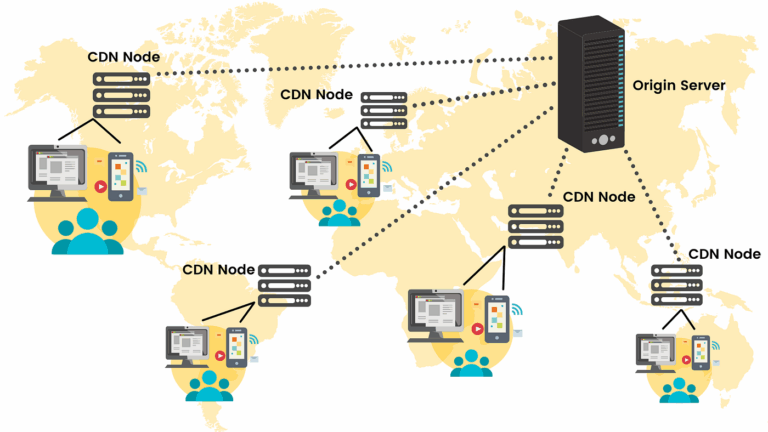
Introduction to Content Delivery Networks (CDNs) A Content Delivery Network (CDN) is a system of globally distributed servers designed to deliver digital content faster to users. These servers store cached versions of web pages, images, and videos. When a user visits your site, the CDN serves content from the server closest to them. This reduces latency and speeds up load time. CDNs not only improve performance but also reduce server load, boost security, and support scalability. This can lower operational costs and improve your site’s user experience. In this guide, we’ll explore how CDNs work, the different types available, how to choose the right provider, and tips to optimize and monitor CDN performance. Examining the Benefits of Using CDNs Using a Content Delivery Network (CDN) brings many advantages for websites and applications. Key benefits include better performance, increased reliability, cost efficiency, and enhanced user satisfaction. Performance: CDNs improve speed by delivering content from servers near the user. This shortens the distance data must travel, reducing

Read More »