
Blog

A “blog,” short for “weblog,” is an online platform where individuals, organizations, or businesses regularly publish written content in a chronological order. These posts, often written in an informal and conversational style, cover a wide range of topics, including personal experiences, hobbies, news, opinions, and expertise in various fields. Blogs provide a means for authors, known as bloggers, to share information, express their thoughts, and engage with a readership through comments and discussions. Blogs can serve as a creative outlet, a marketing tool, or a source of information and entertainment. They have become an essential part of the digital landscape, with many blogs addressing niche interests and contributing to the dissemination of information and ideas on the internet.

Content Curation
Blog

Uncover the Value of Content Curation: Maximize Your Impact

Introduction: What is Content Curation and Why is it Beneficial? Content curation is the process of gathering and organizing information from multiple sources to develop meaningful insight into a particular topic. It involves selecting and categorizing content, as well as providing commentary and analysis. Content curation can be used to increase knowledge and provide valuable insight into specific topics. For example, content curation can be used to identify trends, compare markets, and track competitor activity. Content curation is also used to build credibility and establish expertise in a given field, as well as promote products or services. Content curation helps organizations become more efficient by saving time and effort that would otherwise be spent searching for relevant information. By curating content, organizations can also stay up to date on the latest industry news and developments. Additionally, content curation can help create engaging content for an audience which would otherwise be difficult to find. Content curation also provides organizations with a competitive advantage as they can
Read More »
CMS Platforms
Blog

Take CMS Platforms to the Next Level Building Custom Extensions and Plugins

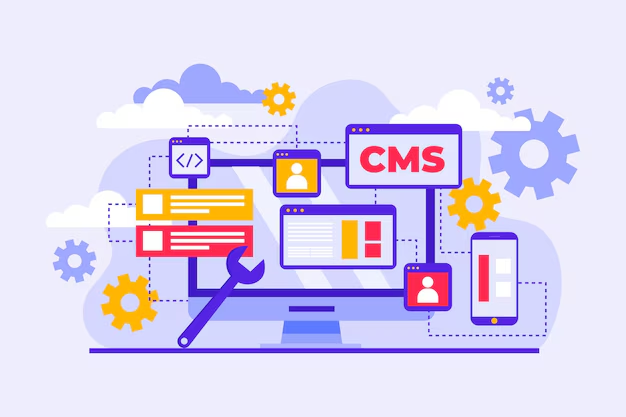
Welcome to the ultimate guide on Building Custom Extensions and Plugins for CMS Platforms. This comprehensive walkthrough explores the benefits of custom CMS solutions, essential development components, security practices, performance optimization techniques, and strategies for release and maintenance. CMS platforms (Content Management Systems) help organize data and streamline website management. By developing custom plugins and extensions, you can enhance the core functionalities of these systems, enabling custom themes, interactive elements, and feature-rich modules tailored to your project goals. In the following sections, we’ll break down each phase of building CMS customizations—equipping you to create scalable, efficient, and secure extensions. Let’s get started! Benefits of Custom Extensions and Plugins for CMS Platforms Custom plugins and extensions provide enhanced control, performance, flexibility, and scalability. They empower businesses to personalize CMS features without extensive coding. These tools enable easy integration of third-party apps and allow for non-developers to make impactful customizations. With quicker updates and greater compatibility with software versions, they enhance security, reduce downtime, and improve the

Read More »
marketing-automation
Blog

Unleash the Power of CMS and Marketing Automation Boost Conversion Rates

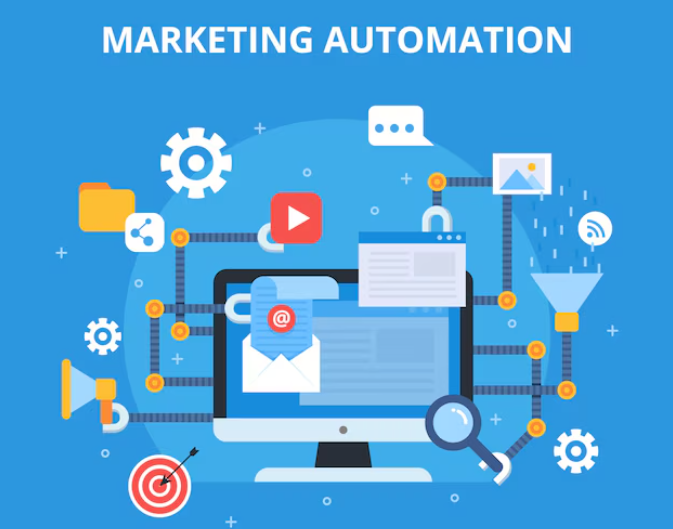
Introduction to Integrating CMS with Marketing Automation Integrating content management systems with marketing automation offers incredible opportunities to boost conversion rates. It creates a connected platform for content and marketing, which leads to better customer engagement, streamlined campaigns, deeper insights into customer behavior, and more. These integrations are imperative in today’s digital marketing landscape. Content management systems (CMS) are software solutions that manage web pages, blogs, images, videos, and other digital assets. Think of them as the back-end “brain” of your website—where you create, store, and publish. In contrast, marketing automation tools automate marketing tasks. They help marketers optimize campaigns, target audiences, and generate leads more efficiently. Combining CMS and marketing automation forms a powerful duo. First, integration gives you valuable customer data. Then, you can personalize and segment content to increase engagement. As a result, customers enjoy better experiences, which boosts conversion rates. In this guide, we’ll explore how to integrate CMS with marketing automation successfully. We’ll also discuss its benefits, how to choose

Read More »
channel-marketing
Blog

Unveil Your Multichannel Content Management Plan

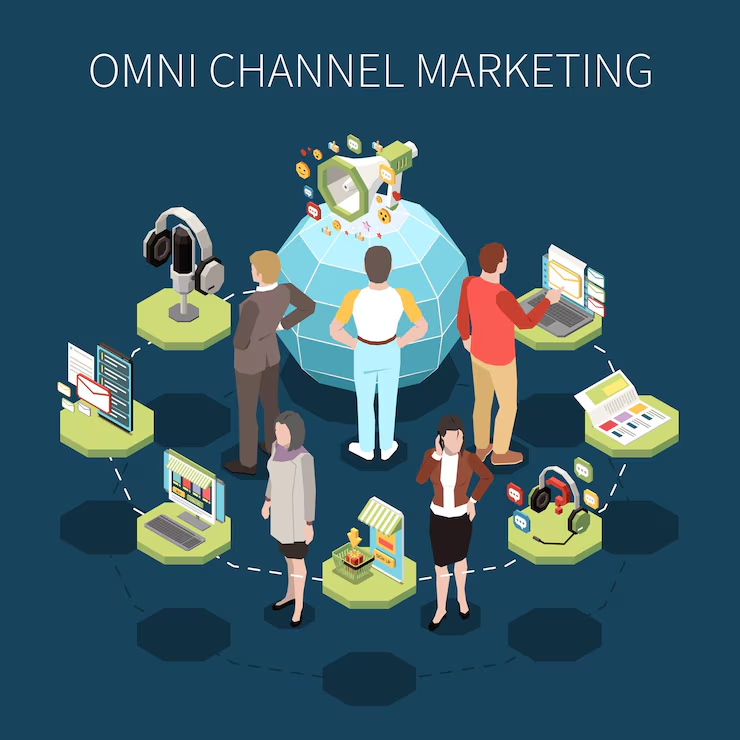
Introduction to Multichannel Content Management Multichannel content management ensures a consistent brand experience across print, web, social media, and more. It requires coordinating and updating each channel’s content. As a result, your messages stay consistent and your branding remains on point. An effective strategy can transform your business. By consolidating content and delivering it consistently, you build a strong, recognizable brand. This boosts customer loyalty and trust. Also, managing content on multiple channels helps you reach more people. A consistent message across platforms helps you stand out from competitors. To maintain consistency, you must plan and prepare carefully. You need to know each channel well. That means understanding its strengths and challenges. Then, create content that adapts seamlessly across platforms. Benefits of a Consistent Brand Experience Delivering a consistent brand experience can build long-term customer relationships. Customers stay loyal when they see the same visuals, tone, and values—no matter where they engage. Consistent branding also strengthens recognition. Over time, consumers learn to identify your brand

Read More »
content-personalization
Blog

What is Content Personalization and Why is it Important?

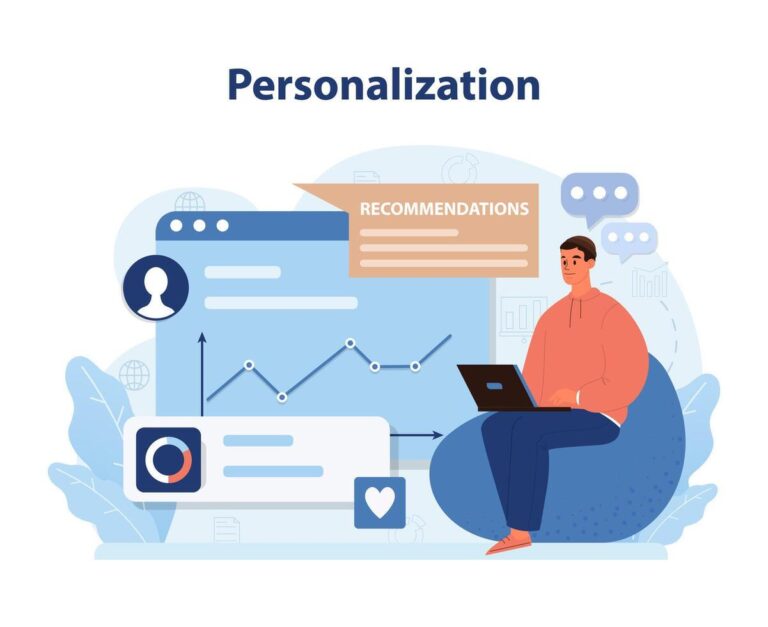
Introduction: What is Content Personalization and Why is it Important? Content personalization is the practice of tailoring website content, advertising messages, and emails to an individual’s interests or preferences. Through personalization, brands can deliver a more relevant, engaging, and meaningful experience for customers. The goal of content personalization is to create a unique journey for each customer by delivering content that resonates with their interests. This leads to increased engagement and conversions, as customers feel more connected to the brand. Personalization can also save time by automating content delivery, customer segmentation, onboarding, and other processes. Automation makes it easier to manage personalization at scale. However, while automation brings efficiency, it can sometimes lead to disconnected experiences. That’s why it’s important to find the right balance—leveraging automation while maintaining a human touch. By combining automation with human interaction, brands can deliver highly personalized content at scale, improving customer satisfaction and brand loyalty. Developing a Strong Personalization Strategy Content personalization plays a vital role in digital marketing

Read More »
api-content
Blog

Master Content Syndication and Integration With an API-first CMS

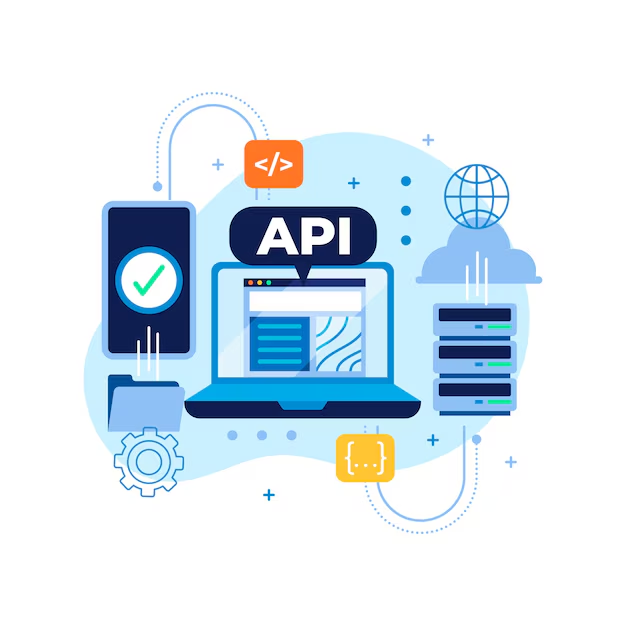
What Is an API-first CMS? Introduction and Key Concepts An API-first CMS is an innovative way to manage content for websites and applications. Its primary feature is the use of application programming interfaces (API) to access and share data across multiple platforms. This type of content management system creates efficiency by minimizing the amount of manual coding and development needed. At its core, an API-first CMS makes it easier to integrate with other services and platforms such as websites, mobile apps, and analytics tools. It enables content to be consumed and distributed in different formats depending on the situation. For example, it is possible to display a web page as a PDF file, or share blog posts on social media. An API-first CMS also supports syndication of content, which means it can be automatically shared on multiple websites or applications. An API-first CMS is especially helpful to marketers who are managing a lot of content. Instead of manually uploading content to multiple locations, they can

Read More »