
Blog

A “blog,” short for “weblog,” is an online platform where individuals, organizations, or businesses regularly publish written content in a chronological order. These posts, often written in an informal and conversational style, cover a wide range of topics, including personal experiences, hobbies, news, opinions, and expertise in various fields. Blogs provide a means for authors, known as bloggers, to share information, express their thoughts, and engage with a readership through comments and discussions. Blogs can serve as a creative outlet, a marketing tool, or a source of information and entertainment. They have become an essential part of the digital landscape, with many blogs addressing niche interests and contributing to the dissemination of information and ideas on the internet.

Diversity and Inclusion
Blog

Defining Diversity and Inclusion

Introduction – Defining Diversity and Inclusion Diversity and inclusion in software companies involve creating a workplace that values and respects every individual, no matter their background, identity, or beliefs. It means recognizing, embracing, and celebrating the unique characteristics and experiences each person brings, and ensuring an inclusive environment where everyone feels they belong. Diversity includes aspects like gender, ethnicity, age, sexual orientation, physical ability, religion, nationality, education, and work experience. Inclusion ensures all individuals feel welcomed, respected, and empowered to participate and contribute equally in the workplace. At its core, diversity and inclusion promote mutual respect and collaboration. It allows everyone to be their authentic selves at work, contributing to a more supportive and accepting environment. By embracing diversity and inclusion, software companies can improve morale, boost engagement, enhance performance, and attract top talent by learning from different perspectives and experiences. Exploring the Benefits of Diversity and Inclusion in Software Companies Software companies are increasingly seeing the value of fostering a diverse and inclusive workplace.
Read More »
Google AI
Blog

Google Sheet AI

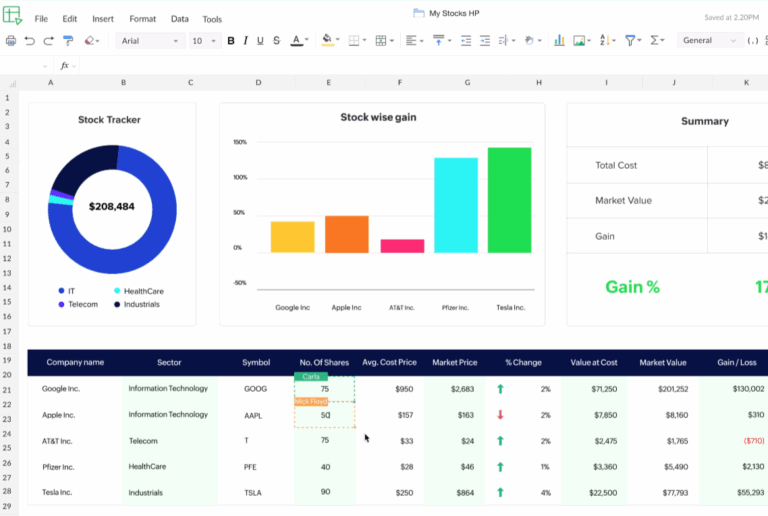
Unlock the Power of Google Sheet AI: Automate, Analyze, and Optimize Your Workflows Enhance your data workflows with Google Sheet AI automation 1. What is Google Sheet AI? Google Sheet AI combines artificial intelligence with spreadsheet functionality, allowing users to automate data tasks, generate content, and analyze trends using smart tools. It enhances productivity by simplifying complex operations without requiring coding knowledge. 2. Why Use AI in Google Sheets? AI in Google Sheets helps reduce manual effort, eliminate repetitive tasks, and unlock deeper insights from data. With features like Smart Fill and natural language queries, users can quickly spot trends, automate formatting, and generate predictions—all within their spreadsheet environment. 3. Key Features of Google Sheet AI Smart Fill: Automatically detects patterns and completes data entries. Smart Cleanup: Cleans and formats data intelligently. Explore Tool: Allows users to ask data questions in plain language. Formula Suggestions: Recommends formulas based on entered data. 4. Google’s Built-in AI Tools Google includes native AI features within Sheets like “Explore,”

Read More »
Future-Proofing Your Software
Blog

The Ultimate Guide to Future-Proofing Your Software : 15 Unbeatable Strategies Every Business Should Know

In the rapidly evolving landscape of technology, ensuring the longevity and relevance of your software is crucial for the sustained success of your business. In this comprehensive guide, we will delve into 15 unbeatable strategies that every business should consider to future-proof their software. From embracing cutting-edge technologies to optimizing user experiences, these strategies are designed to navigate the ever-changing digital terrain. Embrace Agile Development Methodologies: Adopting Flexibility for Future Success Agile methodologies, such as Scrum or Kanban, provide a flexible framework for software development. This adaptability empowers your team to respond swiftly to changes, fostering innovation, and reducing time-to-market. We’ll explore how embracing an agile mindset can future-proof your software development process. 2. Invest in Robust Cybersecurity: Building Trust in a Digitally Insecure World With cyber threats on the rise, robust cybersecurity measures are non-negotiable. This section will guide you through the implementation of cutting-edge security measures, ensuring not only the protection of sensitive data but also the establishment of trust among users. 3.

Read More »
Blog

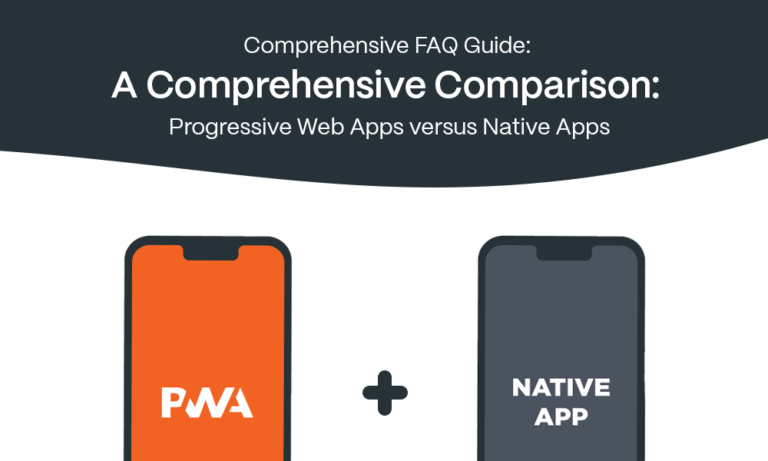
Comprehensive FAQs Guide: A Comprehensive Comparison: Progressive Web Apps versus Native Apps

Comprehensive FAQs Guide: A Comprehensive Comparison: Progressive Web Apps versus Native Apps I. Introduction to Progressive Web Apps (PWAs) and Native Apps A. What are Progressive Web Apps (PWAs)? Progressive Web Apps (PWAs) are a type of web application that leverages modern web technologies to deliver an app-like experience to users. They are essentially websites that can be accessed through a web browser but offer functionalities similar to those of native mobile applications. PWAs are designed to be responsive, fast, and reliable, providing users with an immersive experience regardless of the device or network conditions. B. What are Native Apps? Native apps are applications specifically developed for a particular platform or operating system. They are built using platform-specific programming languages (e.g., Swift for iOS, Java/Kotlin for Android) and are installed directly on the user’s device through app stores like Apple’s App Store or Google Play Store. Native apps have access to the device’s hardware and APIs, allowing them to utilize device-specific features seamlessly. C. What

Read More »
Comprehensive Faqs Guide_ Optimizing Network Requests in PWAs_ Minimizing Round Trips, Compression, and Data Streaming
Blog

Comprehensive Faqs Guide: Optimizing Network Requests in PWAs: Minimizing Round Trips, Compression, and Data Streaming

Comprehensive FAQs Guide: Optimizing Network Requests in PWAs Round Trip Minimization What are round trips in the context of network requests in PWAs? Round trips refer to the back-and-forth communication between a client, such as a browser, and a server to complete a network request. This process includes the time it takes to send a request and receive a response. In Progressive Web Apps (PWAs), multiple round trips can reduce performance due to latency, network congestion, and the overhead of connection handling. How does minimizing round trips improve PWA performance? Minimizing round trips helps enhance PWA performance by reducing latency. Fewer round trips mean faster resource fetching, leading to shorter loading times. This improves user experience and overall app speed. What techniques can be employed to reduce round trips in PWAs? Several effective methods can reduce round trips in PWAs: Resource Bundling and Concatenation: Combine multiple JavaScript, CSS, or image files into single bundles using tools like Webpack. This reduces individual requests. HTTP/2 Multiplexing: Use

Read More »
Comprehensive Faqs Guide_ Push Notifications in PWAs_ Implementing Real-Time Communication
Blog

Implementing Real-Time Communication: Push Notifications in PWAs

Fundamentals of Push Notifications in PWAs What are push notifications in the context of PWAs? Push notifications in PWAs are real-time alerts sent from a server to a user’s device. These messages appear even when the user is not using the app. They help re-engage users by delivering timely updates, alerts, or reminders. How do push notifications enhance user engagement in PWAs? Push notifications enhance engagement in several ways: Timely Information: Users receive instant updates, improving their overall experience. Re-engagement: Notifications bring users back to the app, which helps reduce churn. Personalization: Customized alerts based on user behavior increase relevance. Rich Content: Interactive elements like media, buttons, and links increase value. What is the Web Push Protocol, and how does it enable push notifications? The Web Push Protocol provides a standardized way for servers to send messages to web apps. It includes three main steps: Browser Subscription: Users subscribe to receive alerts, generating a unique endpoint. Push Service: The browser uses this endpoint to forward

Read More »