Blog

A “blog,” short for “weblog,” is an online platform where individuals, organizations, or businesses regularly publish written content in a chronological order. These posts, often written in an informal and conversational style, cover a wide range of topics, including personal experiences, hobbies, news, opinions, and expertise in various fields. Blogs provide a means for authors, known as bloggers, to share information, express their thoughts, and engage with a readership through comments and discussions. Blogs can serve as a creative outlet, a marketing tool, or a source of information and entertainment. They have become an essential part of the digital landscape, with many blogs addressing niche interests and contributing to the dissemination of information and ideas on the internet.

Advanced Use Cases And Industry Trends For Pwas (Pillar Page) thumb
Blog

Advanced Use Cases And Industry Trends For Pwas (Pillar Page)

Advanced Use Cases And Industry Trends For Pwas Imagery of a modern world where online shopping, gaming, healthcare and other services are streamlined, efficient, and available no matter the device or connection. This is what progressive web applications (PWAs) offer – an advanced digital experience accessible to all. In this article, we will explore the use cases and industry trends that PWAs bring to the table. From e-commerce best practices to voice-enabled apps and everything in between, let’s dive into the world of PWAs. Key Takeaways PWAs in healthcare offer advanced use cases such as secure medical record sharing, telemedicine services, integration with wearable devices for monitoring, and improved communication between healthcare providers. PWAs are rapidly growing in popularity and offer enhanced features like faster loading speeds and greater reliability during network downtime. PWAs improve user experiences for patients and staff in healthcare and other industries. PWAs reduce costs in healthcare and other industries while optimizing patient care and enhancing data security. E-commerce Best Practices

Read More »
Building Pwas For E-Commerce_ Best Practices And Case Studies thumb
Blog

Building Pwas For E-Commerce: Best Practices And Case Studies

Recent studies have found that up to 63% of e-commerce businesses are using progressive web applications (PWAs) to improve their customer experiences. In this article, we will explore the benefits and best practices for building PWAs for e-commerce, as well as provide case studies of successful PWA projects and tips on enhancing the user experience. Additionally, we will answer any frequently asked questions about PWAs and provide additional resources for further reading. Key Takeaways PWAs offer benefits such as lower development costs compared to native apps, less maintenance, and automatic updates without manual downloads. PWAs provide improved performance and loading times with faster loading times, smaller data size, and accelerated loading speeds. PWAs enhance user experience with responsive layouts, visually appealing interfaces, smooth scrolling and swiping gestures, and effective navigation. PWAs increase engagement through mobile optimization, push notifications, special offers, loyalty programs, personalized recommendations, and intuitive navigation. What is a PWA? A Progressive Web App (PWA) is a web application that uses modern web capabilities

Read More »
Offline Functionality In Progressive Web Apps_ Strategies And Techniques thumb
Blog

Offline Functionality In Progressive Web Apps: Strategies And Techniques

Offline functionality has become a key factor in the success of progressive web apps (PWAs).nnWhile PWAs offer many advantages over traditional web apps, such as improved performance and user experience, offline capabilities are essential for ensuring reliable operation in times of poor connectivity. In this article, we will explore strategies and techniques for developing effective offline functionality within PWAs.nnWe will discuss topics such as: Caching Data synchronization Optimizing user experience Analytics and tracking Best practices and emerging trends. By the end of this article, readers should have a better understanding of how to ensure seamless offline operations within their PWAs. I. Introduction to Offline Functionality in Progressive Web Apps Offline functionality in Progressive Web Applications (PWAs) provides numerous benefits to the user experience and engagement. It allows users to access and interact with content, features, and data within an application even when they are not connected to the internet. The key concepts related to offline functionality in PWAs include service workers, caching mechanisms, and real-time

Read More »
Performance Optimization In Pwas_ Load Times, Resource Management, And Caching Strategies thumb
Blog

Performance Optimization In Pwas: Load Times, Resource Management, And Caching Strategies

Progressive Web Applications (PWAs) are today’s emerging web technologies that offer a reliable, engaging and fast user experience. It is essential for developers to optimize the performance of PWAs to ensure that users receive the best experience possible. This article will discuss the various methods of optimizing performance in PWAs including load time optimization techniques, resource management, caching strategies, advanced techniques and future trends. Additionally, this article will provide tools and best practices for successful performance optimization in PWAs. I. Introduction to Performance Optimization in PWAs Performance optimization is an important aspect of Progressive Web Apps (PWAs) since it can significantly improve the user experience and engagement. Performance optimization involves reducing page load times, managing resources efficiently, and utilizing caching strategies effectively in order to deliver a smooth and responsive application. It is essential for PWAs to be optimized in terms of performance in order to provide users with a positive experience. Importance of Performance Optimization in PWAs Optimizing performance is essential for PWAs to

Read More »
Getting Started With Progressive Web Apps thumb
Blog

Getting Started With Progressive Web Apps (Pwas) (Parent Topic)

The development of Progressive Web Apps (PWAs) has been a revolutionary step in the evolution of web applications. PWAs are designed to combine the features of a web page and a native app, providing users with an experience that is both fast and reliable. This article will explore the key concepts and benefits of PWAs, the building blocks of PWAs, strategies for optimizing performance, and a comprehensive comparison of PWAs versus native apps. It will also provide implementation tips for mastering PWAs, strategies for offline functionality, and a detailed debate of the pros and cons of PWAs versus native apps. By the end of this article, readers will have a thorough understanding of how to get started with PWAs. Key Takeaways PWAs combine web page and native app features for a fast and reliable user experience. PWAs are lightweight, secure, and easy to maintain and update. PWAs offer improved security and are regularly updated. PWAs bridge the gap between websites and native apps. Overview of

Read More »
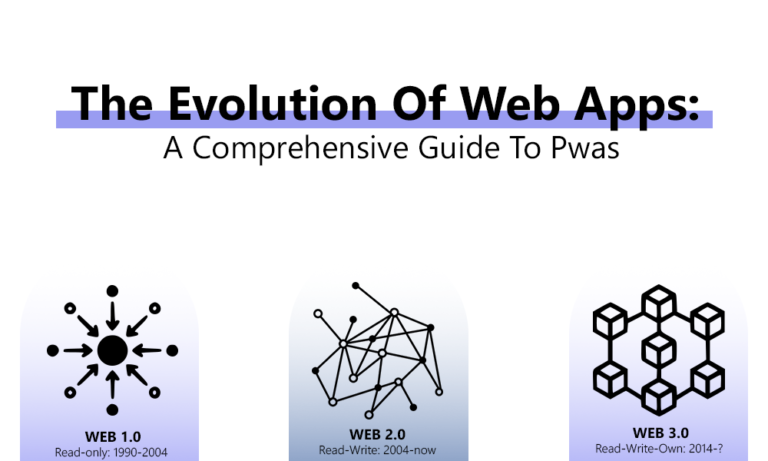
The Evolution Of Web Apps_ A Comprehensive Guide To Pwas thumb
Blog

The Evolution Of Web Apps: A Comprehensive Guide To Pwas

Website development has come a long way since the early days of the internet. What used to be simple static sites are now web apps that can provide users with dynamic, interactive experiences. However, there is an even newer trend gaining traction: Progressive Web Apps (PWAs). PWAs are revolutionizing the way we think about and use web applications – like a butterfly emerging from its chrysalis, they represent a powerful new era of online technology. In this article, we will provide a comprehensive guide to PWAs: exploring their technical implementation, UX strategies, security considerations, comparative analysis to native apps, real-world use cases, and future trends. Let us begin our journey into the evolution of web apps! Introduction to Web Apps Web apps are applications that are primarily accessed through the internet, with many of them requiring no installation or download. They provide an accessible and convenient way to access information and services online, often providing a better user experience than traditional desktop software. To ensure

Read More »