Blog

A “blog,” short for “weblog,” is an online platform where individuals, organizations, or businesses regularly publish written content in a chronological order. These posts, often written in an informal and conversational style, cover a wide range of topics, including personal experiences, hobbies, news, opinions, and expertise in various fields. Blogs provide a means for authors, known as bloggers, to share information, express their thoughts, and engage with a readership through comments and discussions. Blogs can serve as a creative outlet, a marketing tool, or a source of information and entertainment. They have become an essential part of the digital landscape, with many blogs addressing niche interests and contributing to the dissemination of information and ideas on the internet.

Possibilities of Customizable CMS Templates and Themes
Blog

Unlock the Possibilities of Customizable CMS Templates and Themes

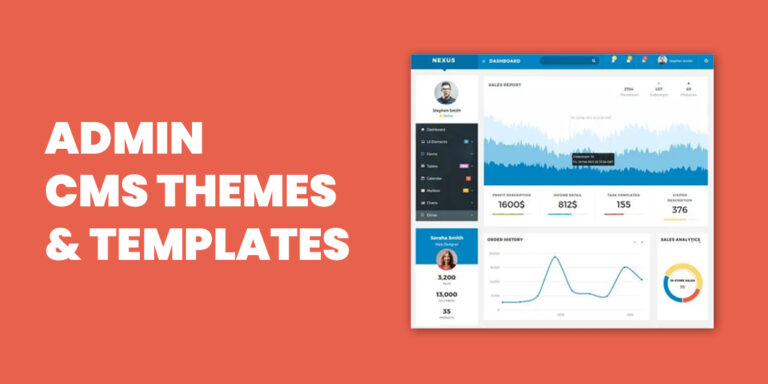
Introduction to Customizable CMS Templates and Themes Customizable templates and themes in a content management system (CMS) offer great flexibility when building a website. They allow you to control the layout of your pages and access features and plugins that improve usability. With these templates, you can easily create a design that suits your specific goals. Custom themes work well for personal blogs and sites, while CMS templates are ideal for building professional websites with a structured layout. Both options let you make quick adjustments without starting from scratch. This saves time and makes it easier to refine your site’s look and content. Customizing your CMS templates or themes lets you align your website with your brand. You can choose from various designs, fonts, and color schemes to create the perfect experience for your audience. You also have the flexibility to highlight important content on your pages. Another benefit of customization is improved load times. Optimized templates help ensure your pages load fast, offering visitors

Read More »
Progressive Content Delivery
Blog

Unlock User Experiences: An Introduction to Progressive Content Delivery

Introduction to Progressive Content Delivery Progressive content delivery is a smart way to optimize web content for higher performance and better user experiences. It uses an efficient delivery network based on the user’s device and connection speed. This ensures users on slower connections receive lighter versions of content, while faster connections can handle richer versions. This method helps improve loading speeds, reduce bandwidth usage, and maintain high content quality. It’s ideal for businesses aiming to deliver smooth, fast experiences to all users, regardless of device or network. This guide explores the benefits of progressive content delivery, tips for implementation, and examples of successful adoption. Definition of Progressive Content Delivery Progressive content delivery is a technique where content is broken into smaller chunks and delivered incrementally. This strategy speeds up loading and enhances performance without overwhelming the user’s device or network. Rather than delivering everything at once, content is streamed in stages. This makes pages display faster, with essential content appearing first. It also allows tailored

Read More »
Authentication and Authorization Best Practices
Blog

Secure Your CMS: Authentication and Authorization Best Practices

Introduction: A Quick Overview of Authentication and Authorization Securing your Content Management System (CMS) is crucial for protecting your website, business, and users. Two essential components of CMS security are authentication and authorization. In this guide, we explore what these terms mean, how they apply to CMS access, and how to protect your website from unauthorized access. Authentication verifies that a user is who they claim to be, while authorization determines what actions that user is allowed to perform. Together, they help ensure that only approved users can make changes to your CMS. Common methods include passwords, token-based login, two-factor authentication, and role-based access control. Choosing the right mix of these strategies is key to maintaining a secure CMS environment. By following authentication and authorization best practices, you ensure that only trusted individuals can access your CMS, keeping it safe from malicious activity and maintaining control over changes. Understanding CMS Authentication and Authorization Terms Understanding authentication and authorization is fundamental to CMS security. Authentication confirms

Read More »
API First CMS
Blog

Unlock the Power of Flexibility and Extensibility with an API-first CMS

What is an API-first Approach? An API-first approach is a method of developing and managing content management systems (CMS) that places the Application Programming Interface (API) at the core. In modern CMS architectures, APIs enable access, retrieval, updating, and deletion of content. This approach builds the CMS around these APIs to maximize flexibility. It allows developers to create user interfaces and applications without directly interacting with the database. By decoupling the interface from the underlying data, the API-first model provides enhanced flexibility for content manipulation, updates, and extensions. Why is an API-first Approach Important for CMS Architecture? API-first development reduces the time developers spend writing repetitive code. A single API layer can power multiple interfaces such as web, mobile apps, and third-party integrations. Without it, separate code would be required for each use case. APIs also simplify the creation of custom solutions. They allow for easy development of plugins, extensions, or new user interfaces. Integration with existing systems becomes easier, saving time and resources. This

Read More »
Consistency and Compliance with Content Governance
Blog

Get Consistency and Compliance with Content Governance

What Is Content Governance? Content governance is the structured management of all content to ensure it aligns with organizational goals, such as accuracy, quality, and compliance. It involves creating a system of rules, protocols, and workflows that maintain uniformity and quality across all published content. As digital content continues to grow, businesses are finding it harder to control the information shared across channels. A solid content governance strategy helps maintain control over both content quality and accuracy. Governance is also essential for legal compliance and meeting industry standards. Clear rules ensure that content meets ethical, privacy, and legal requirements, reducing potential risks. Additionally, content governance helps ensure that everyone follows the same standards during content creation and publication. This leads to more consistent and reliable communication. In summary, content governance helps organizations create, approve, and distribute content that is accurate, consistent, and compliant—supporting business goals effectively. Understand Your Content Objectives To build a strong governance plan, start by defining your content goals. Without clear objectives,

Read More »
Implementing Search Functionality in CMS Solutions
Blog

Complete Wrap-Up: Implementing Search Functionality in CMS Solutions

Overview of What Search Functionality Is and How It Works Search functionality is an essential feature of many websites, enabling visitors to quickly find what they need. It significantly improves the user experience by reducing the time required to navigate a website. The main purpose of search functionality is to provide results that accurately match the user’s query. Typically, users enter a query in a search box. The system then searches the website’s database for relevant results based on keywords or more complex algorithms. Advanced search functions also consider factors like relevance and popularity. To implement search functionality in your CMS solution, begin by assessing the type of search needed. Choose a CMS platform that supports your requirements and customize it for your specific goals. Analyzing What Type of Search Functionality Is Needed When planning search functionality, it’s vital to assess the types of searches your users need. Consider whether you’ll need simple text searches, field-based queries, or full-text search capabilities. Also, determine which content

Read More »