
Implementing A/B Testing for Content Optimization in a CMS
Introduction to A/B Testing for Content Optimization in a CMS
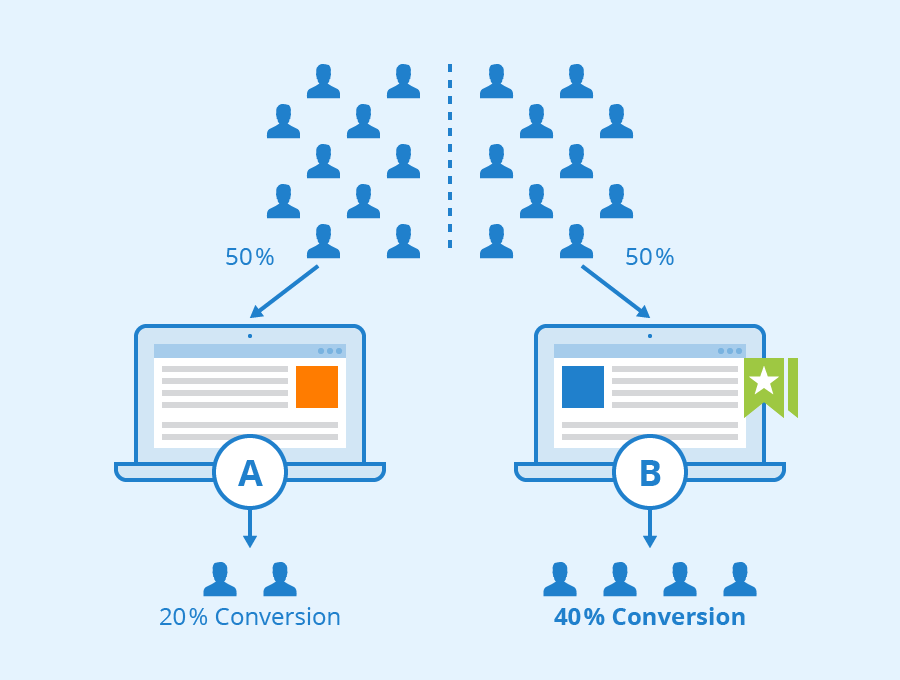
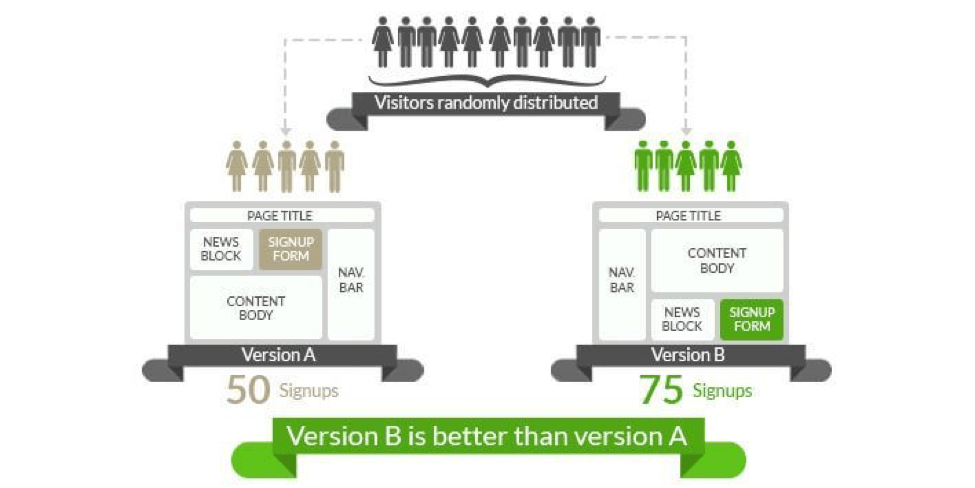
A/B testing is a powerful tool for optimizing content on a Content Management System (CMS) platform. It involves testing two or more versions of the same content to see how users interact with each one. By comparing different versions, you can determine which performs best and apply changes to improve overall content performance.
Many companies use A/B testing to enhance user engagement, increase conversions, and boost website traffic. It’s also used to explore new messaging approaches and identify which content elements attract the most attention from users.
This guide explains the importance of A/B testing, various testing methods, and how to design, analyze, and automate tests within a CMS. You’ll also learn how to use machine learning to improve test quality and achieve long-term optimization goals.
Overview of Different A/B Testing Methods
A/B testing compares multiple content variants to determine which version performs best. It is widely used across web pages, emails, and mobile apps. This process is also known as split testing or bucket testing.
Using A/B testing in your CMS helps you quickly identify content improvements. Here are common testing methods:
- Page-level Tests: Compare full versions of a single page.
- Feature Tests: Test individual features like buttons or CTAs.
- Multivariate Tests: Test multiple variations at once to find the best-performing combination.
- Behavioral Tests: Analyze how user behavior changes based on content variations.
Always use statistically valid testing methods and gather enough data to avoid inaccurate results. With consistent A/B testing, you can improve your content’s performance through continuous iteration.
Establishing Objectives and Setting KPIs
When implementing A/B testing in a CMS, clearly defined objectives and KPIs guide your test strategy and help measure success. Objectives should be specific, measurable, and realistic. For example, reducing a page’s bounce rate by 20% is a clear goal that can be tracked.
Common KPIs include conversion rates, visitor engagement, lead generation, and user satisfaction. Tracking these metrics enables data-driven decision-making and ensures that your testing contributes to business goals.
Understanding the Technical Process behind A/B Testing
A/B testing works by comparing two versions of a web page with different content elements. One version is the control, and the other is the variation. The technical setup involves:
- Creating content variants
- Using analytics tools
- Defining audience segments
- Determining test duration
- Inserting tracking and variation code in the CMS
- Analyzing comparative performance data
Understanding these steps is essential to execute tests effectively and gather accurate insights.
Designing A/B Tests
Once KPIs are in place, the next step is test design. Focus on elements likely to impact performance, such as headlines, CTAs, or layout structures. Prioritize these elements and decide the number of test variations and how often to run them.
Structure tests to run simultaneously where possible, and ensure correct placement of tracking code. This allows you to determine which versions have the greatest effect on user behavior.
Planning Multiple Iterations
After your first test, plan additional iterations. Set timelines, determine variation counts, and align tests with your optimization goals. For example, testing different button placements may yield insights into improving conversions.
Document results after each iteration to track progress and inform future experiments. Iterative testing helps fine-tune content and boost effectiveness over time.
Monitoring and Analyzing Test Results
Analyzing results is key to success. Monitor open rates, click-through rates, and conversions regularly. Break down data by demographics to uncover trends among user segments.
Data interpretation requires strong analytical skills. If needed, involve a data analyst. Remain open to unexpected outcomes and refine your hypotheses based on real user data.
Prioritizing Test Elements
Prioritize content elements based on their impact on the user journey. Start by testing key elements like headlines, navigation, images, and pricing. Sequence your tests strategically to ensure meaningful improvements.
Allocate time and resources to implement and manage these tests. Testing high-impact elements first leads to faster, more effective optimization outcomes.
Automating Test Schedules and Running Tests in Parallel
Automation and parallel testing streamline the A/B testing process. Decide what elements to test, create variations, and schedule them automatically.
Automation shortens feedback loops and allows for quick adjustments based on market trends. This helps maintain content effectiveness and competitive advantage.
Integrating A/B Testing into the CMS
Integrate A/B testing within your CMS by selecting test elements, creating variations, and setting up test and tracking pages. Use a routing script to divide traffic between page versions.
With everything in place, monitor performance to determine which variation achieves better results. Over time, this integration ensures content continues to improve within your CMS framework.
Improving Test Quality with Machine Learning
Machine learning enhances A/B testing by automating optimization. Trained on historical and user data, models can identify the best-performing versions without manual analysis.
Use these models to deliver real-time insights, reduce manual labor, and increase testing accuracy. This allows for smarter, faster content improvements at scale.
Best Practices for Implementing A/B Testing for Content Optimization in a CMS
Set Clear Objectives
Define measurable goals for each test to track success and guide future experiments.
Keep it Simple
Test one variable at a time to isolate its impact and avoid confusion in results.
Try Multiple Variations
Use multiple content versions to identify the best-performing alternative and eliminate underperformers.
Use Split-Testing
Divide your audience into groups to compare performance between content variants.
Track Your Results
Regularly monitor test outcomes to spot patterns and improve test strategies.
Be Patient
Allow enough time for each test to gather reliable data before drawing conclusions.
Related Reading
- Implementing Content Import/Export Functionality
- Unlock Optimal Performance: Data-driven Content Optimization
- Accelerate Content Delivery: Introduction to CDNs
Planning a content platform?
Headless, traditional, or custom — we help teams pick and build the CMS architecture that fits how they actually work.
CMS strategy, architecture, and implementation.
Discuss your CMSA technical conversation, not a sales pitch.