
Accelerate Content Delivery: Introduction to CDNs
Introduction to Content Delivery Networks (CDNs)
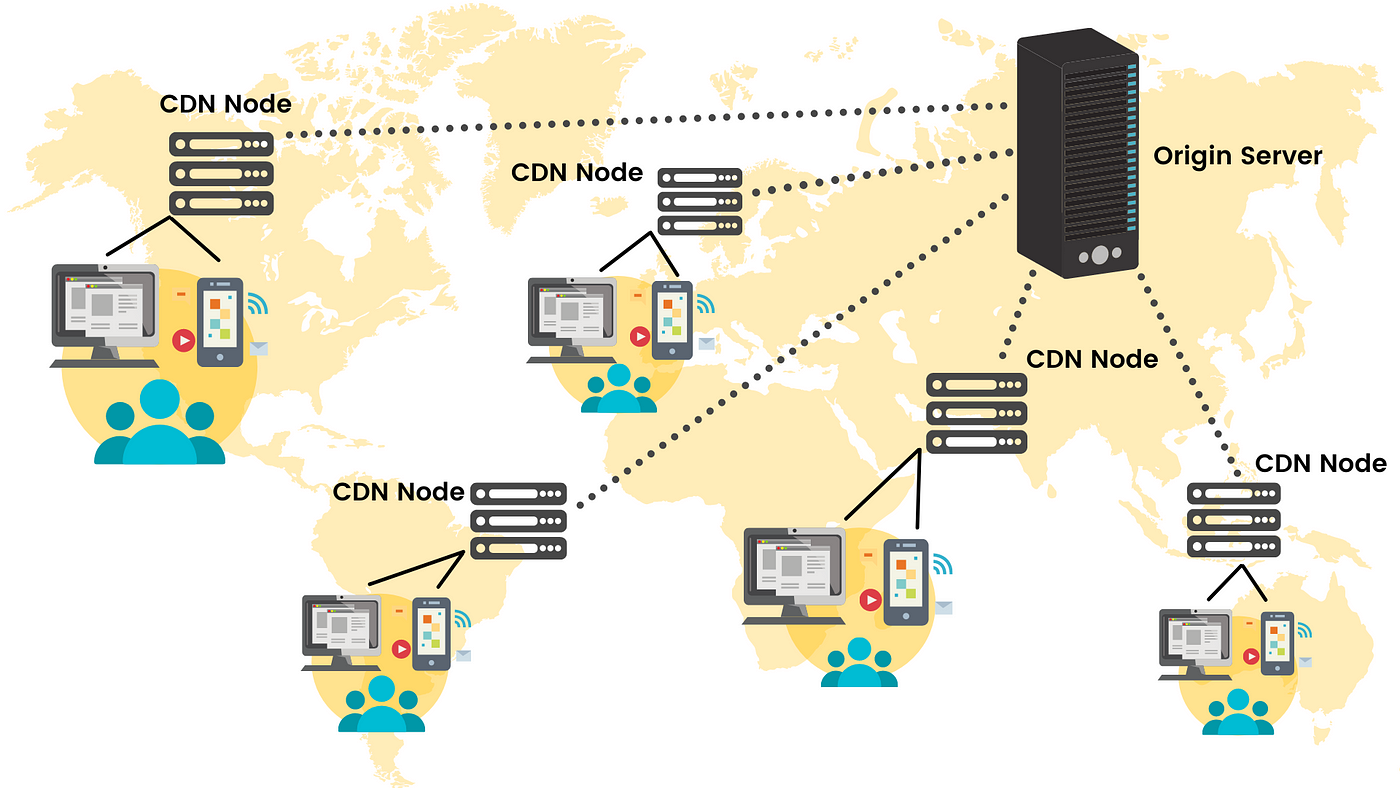
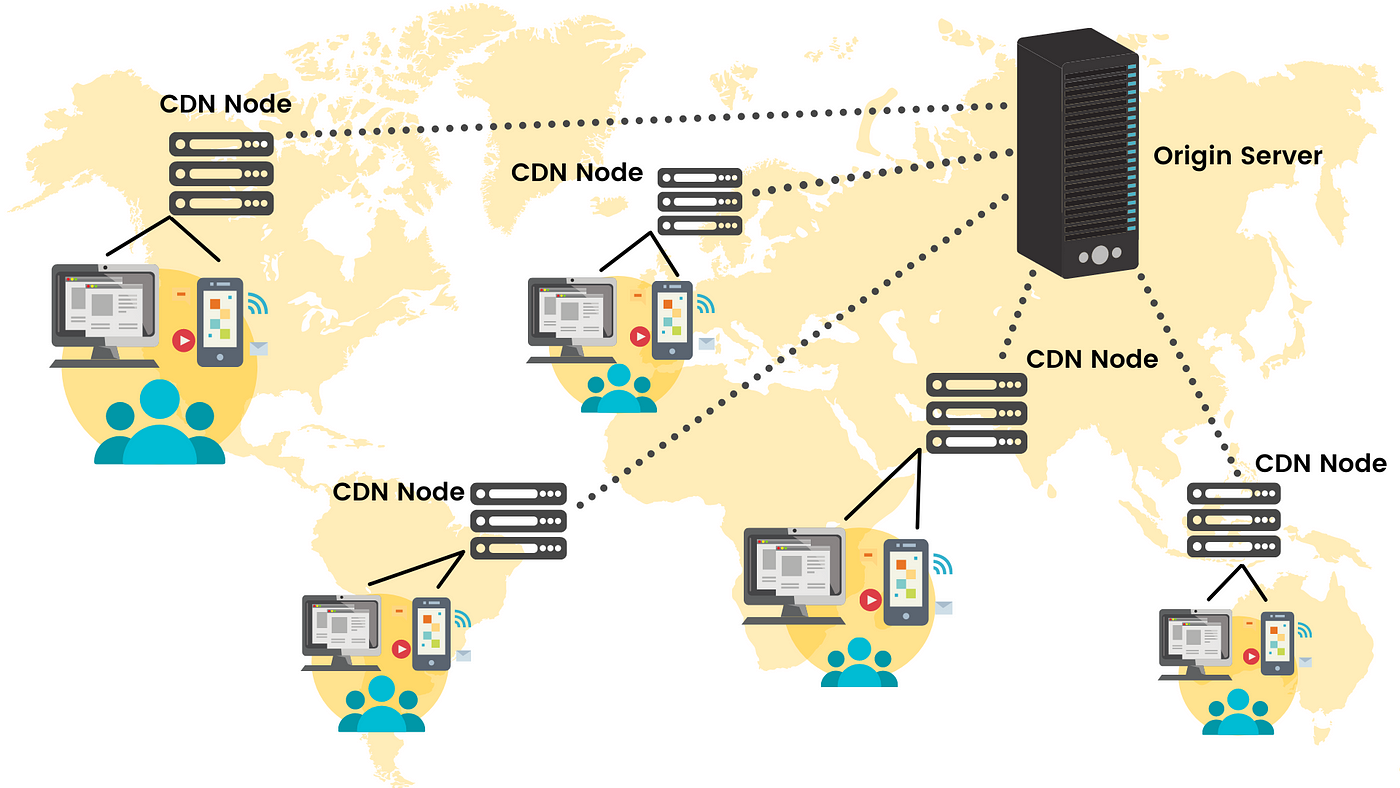
A Content Delivery Network (CDN) is a system of globally distributed servers designed to deliver digital content faster to users. These servers store cached versions of web pages, images, and videos. When a user visits your site, the CDN serves content from the server closest to them. This reduces latency and speeds up load time.
CDNs not only improve performance but also reduce server load, boost security, and support scalability. This can lower operational costs and improve your site’s user experience.
In this guide, we’ll explore how CDNs work, the different types available, how to choose the right provider, and tips to optimize and monitor CDN performance.
Examining the Benefits of Using CDNs
Using a Content Delivery Network (CDN) brings many advantages for websites and applications. Key benefits include better performance, increased reliability, cost efficiency, and enhanced user satisfaction.
Performance: CDNs improve speed by delivering content from servers near the user. This shortens the distance data must travel, reducing load times and keeping visitors engaged longer.
Reliability: CDNs increase uptime and stability. With servers in multiple regions, your site remains accessible even if one server fails. Redundancy ensures seamless content delivery, and strong security measures protect against cyber threats.
Scalability: CDNs can handle traffic spikes without crashing your site. They support growing audiences without the need for extra infrastructure.
Cost Savings: Offloading content to CDN servers reduces the need for expensive hosting plans and bandwidth usage. This cuts both hardware and operational costs.
User Experience: Fast, consistent content delivery keeps users satisfied. A reliable and responsive site can boost conversion rates and reduce bounce rates.
Exploring the Different Types of CDNs
There are several types of CDNs, each with unique features suited to specific use cases.
Traditional Hosting-Based CDN: These CDNs store content across multiple global servers. They ensure minimal latency and improve targeting for users in different regions.
Reverse Proxy CDN: This setup uses a proxy server to route user requests to the origin server. It helps distribute traffic, improve scalability, and add a layer of protection.
Cloud-Based CDN: These use cloud infrastructure to deliver scalable and reliable performance. Commonly used for video streaming and large-scale websites, they combine physical servers and cloud storage for fast delivery.
Understanding the differences between CDN types will help you choose the best one for your needs.
Strategies for Choosing a Provider
Choosing the right CDN provider is crucial for optimizing performance and minimizing costs. Consider the following strategies:
Understand Your Requirements
Determine your needs. Do you need live streaming, media delivery, or multi-region support? Make a list of features that are essential for your business goals.
Scalability & Flexibility
Select a provider that offers flexible plans and can scale during traffic surges. Check if they offer support during high-demand periods.
Compare Prices & Performance
Evaluate pricing and performance metrics such as speed, uptime, and data transfer limits. Choose a plan that balances cost and reliability.
Check Reviews
Look at customer reviews and testimonials. Focus on feedback regarding customer support, downtime, and real-world performance.
By following these tips, you can choose a provider that aligns with your needs and helps achieve your digital goals.
Understanding How CDNs Speed Up Content Delivery
CDNs accelerate content delivery by caching it on servers located near users. When someone visits your website, the CDN delivers content from the closest server, minimizing data travel time.
Without a CDN, content is served from a single origin server. This can slow down delivery, especially for users far from the server’s location.
With a CDN, your content is distributed across the globe. This reduces delays, lowers latency, and improves load times—even during peak traffic.
CDNs also use caching and compression to enhance performance. Cached content doesn’t require repeated server calls, and compressed files load faster.
Evaluating Your Site’s Performance After Implementing a CDN
After deploying a CDN, assess its impact on your website’s performance.
Page Load Speed: Compare site speed before and after the CDN implementation. A faster load time means improved user experience.
Traffic Analysis: Check your site’s traffic metrics. Increased traffic may indicate a better user experience and SEO improvement.
User Engagement: Measure how long users stay, how many pages they visit, and whether they interact with your content. Higher engagement signals CDN effectiveness.
These metrics help you determine if your CDN setup is working as intended and whether further optimization is needed.
Configuring CDNs for Professional Video Streaming
Video streaming requires optimized delivery for a smooth viewing experience. CDNs can help reduce buffering and ensure playback quality.
Choose a Video-Centric CDN: Pick a provider with expertise in video delivery, streaming protocols, and caching large files.
Optimize Video Files: Compress files without losing quality. Use adaptive bitrate streaming and protocols like HLS for smoother playback across devices.
Monitor Performance: Track video startup time, average streaming speed, and stream success rate. These insights can guide future improvements.
Ensuring Reliability with CDN Failover
CDN failover ensures content availability even during server outages or traffic surges. If one server fails, another takes over seamlessly.
Redundancy: CDNs distribute content across several servers. If one fails, others automatically respond.
Traffic Surges: During high-demand events, backup servers handle the load to prevent downtime or delays.
Multi-CDN Strategy: Using multiple CDNs provides even more reliability. If one CDN fails, another can deliver content instantly.
Taking Advantage of Serverless Cloud Technologies
Serverless computing lets developers build applications without managing servers. The cloud provider handles the backend, making deployment faster and more efficient.
CDNs complement serverless computing by storing content at the edge, reducing latency and increasing speed.
Modern CDNs also offer built-in tools such as cloud storage, image optimization, and app services. These reduce the load on your servers and improve overall performance.
By combining serverless technologies with CDNs, you gain flexibility, scalability, and cost savings.
How to Monitor CDN Performance
Regular monitoring ensures your CDN continues to perform well. Here’s how to do it:
1. Check Load Times
Use tools like Google PageSpeed Insights to track loading speed. Identify delays and areas for improvement.
2. Analyze Network Settings
Evaluate bandwidth, caching rules, and server configurations. Make sure your setup is optimized for high-speed delivery.
3. Monitor Uptime
Track how often your content is available. Use services like Pingdom to get alerts if uptime drops.
4. Review User Feedback
Listen to your users. Their experiences can reveal technical problems that analytics might miss.
Common Problems with CDNs and How to Fix Them
While CDNs offer many benefits, you might encounter occasional issues. Here are the most common ones and how to solve them:
Cache Invalidation
Outdated content may stay cached too long. Use cache refresh settings to update content regularly.
Poor Content Localization
If users receive content from distant servers, check your CDN’s regional settings and geo-targeting configurations.
Routing Issues
Misconfigured IP routing can bypass the CDN. Ensure all DNS and routing rules are set correctly.
Third-Party Interference
External services like ad networks can slow your site. Audit them regularly and remove or replace inefficient ones.
Conclusion: Reaping the Benefits of Accelerated Content Delivery
A Content Delivery Network (CDN) helps you deliver content faster, more securely, and more reliably. It reduces server load, enhances scalability, and supports global user access.
To fully benefit, choose the right provider, configure your CDN correctly, and monitor its performance consistently.
With the right strategy, your business can unlock the full potential of accelerated content delivery and offer a top-tier user experience.
Related Reading
- Achieve High Performance with Content Delivery Networks (CDNs)
- An Introduction to Progressive Content Delivery
- Unlock Omnichannel Content Delivery with Headless CMS
Planning a content platform?
Headless, traditional, or custom — we help teams pick and build the CMS architecture that fits how they actually work.
CMS strategy, architecture, and implementation.
Discuss your CMSA technical conversation, not a sales pitch.