Discover the Pros and Cons of Decoupled vs Traditional CMS
Introduction to Traditional CMS
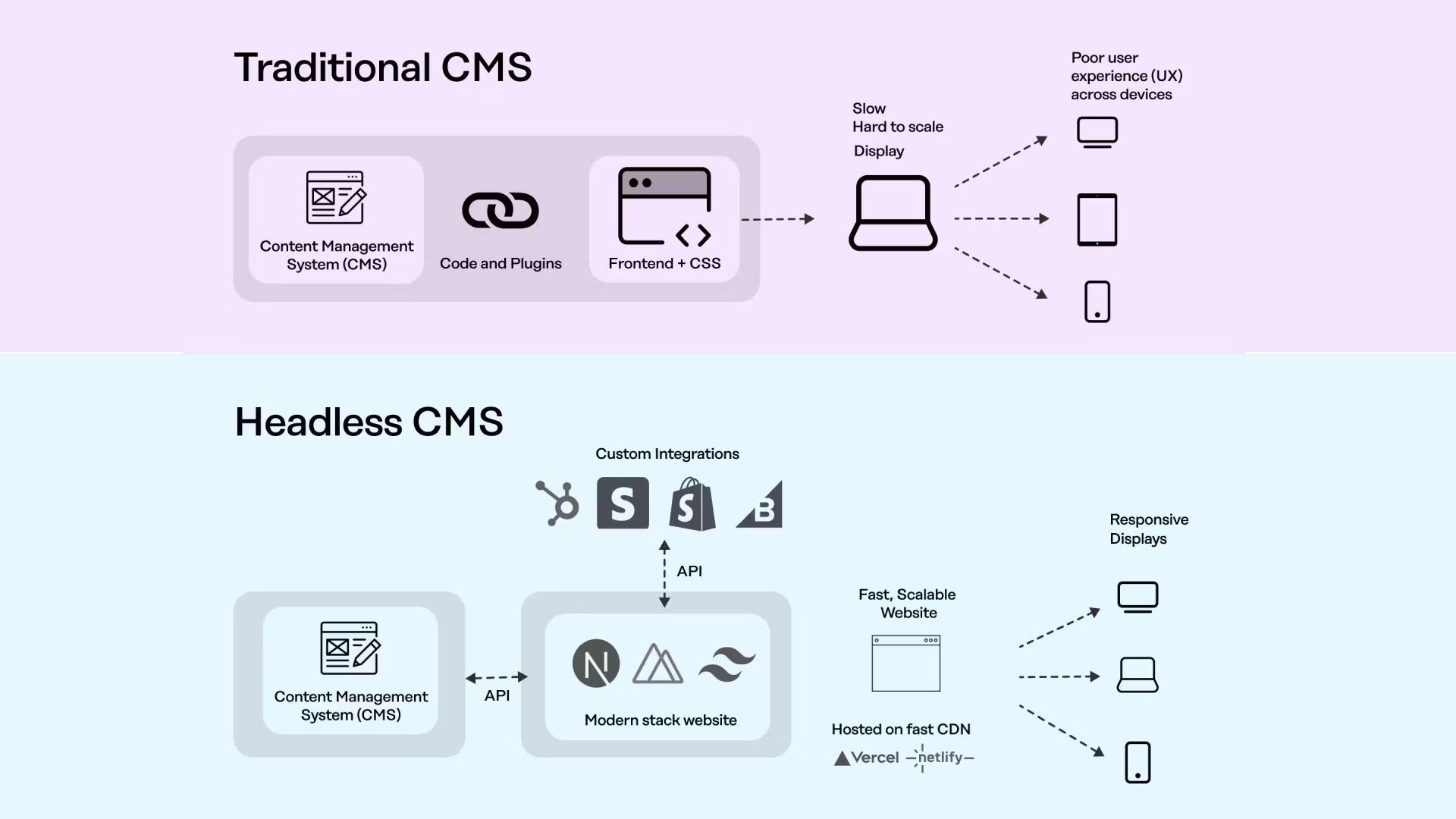
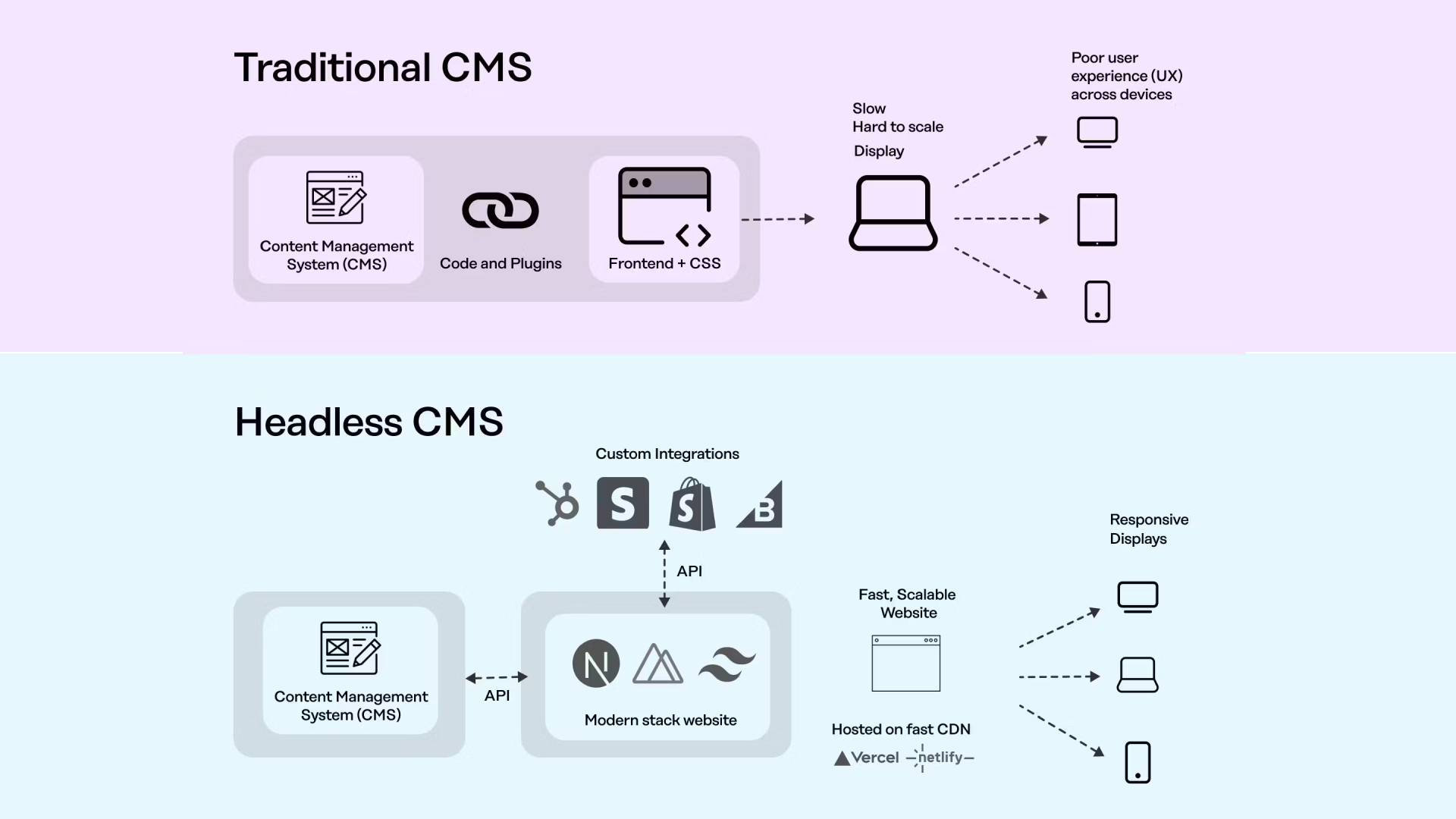
A Traditional Content Management System (CMS) is a widely used method for managing website content. It allows users to handle various content types, including text, images, videos, and documents. With all features hosted on one platform, users can manage their website from a single interface.
Traditional CMS platforms provide a dashboard where users can easily create, edit, delete, and organize content. Through a password-protected admin panel, users can customize their websites using themes, plugins, and different content types. Most traditional CMSs also include built-in tools for SEO and analytics.
Overall, a traditional CMS is a cost-effective and user-friendly solution for website management. It allows users to quickly update content and design without any coding knowledge. Since all features are centralized, managing content becomes more efficient and straightforward.
Introduction to Decoupled CMS
In recent years, content management has evolved significantly with the rise of decoupled CMS solutions. A decoupled CMS stores and manages content in one system while delivering it to any front-end platform, including websites, mobile apps, and social media.
Unlike a traditional CMS, a decoupled CMS uses an API to serve content across multiple channels. This allows developers to focus on creating optimized front-end experiences without being tied to a single system.
For example, a news organization can use a decoupled CMS to manage content centrally while distributing it across apps, websites, and social platforms. This model saves time, ensures consistency, and increases flexibility for content delivery.
By reducing manual updates for different platforms and eliminating compatibility concerns, a decoupled CMS streamlines operations and improves scalability. It gives organizations complete control over content while enhancing the user experience across channels.
Benefits of Traditional CMS
Traditional CMS platforms, also known as coupled CMSs, have long been favored by many website owners due to their simplicity and cost-effectiveness. Key advantages include:
- Ease of Use: Setting up and customizing a traditional CMS is straightforward. Users can get started quickly without needing advanced technical skills.
- Integrated Features: Most traditional CMSs come with built-in blogging, user registration, content tools, and plugin support, offering a comprehensive solution in one place.
- Cost-Effective: Traditional CMSs often involve a one-time fee, with minimal recurring costs. This makes them an affordable option, especially for small businesses and individuals.
For users seeking an all-in-one content platform without high costs or complexity, a traditional CMS remains a practical choice.
Benefits of Having All Features in One Platform
One of the major benefits of traditional CMS platforms is that all essential features are integrated into a single system. This simplifies website management and reduces the need for third-party tools or complex setups.
When all features—from content editing to e-commerce and SEO—are bundled together, it’s easier to manage and update the website. Users save time, avoid compatibility issues, and can take advantage of built-in security features like login protections and firewalls.
In addition, traditional CMS platforms often offer extensive documentation and community support, helping users troubleshoot issues quickly. This convenience makes traditional CMSs an excellent choice for users looking for a simple, efficient solution.
Ease of Use
Traditional CMSs are well known for their user-friendly interfaces. With pre-built templates and setup wizards, even non-technical users can create websites with minimal effort.
Once a site is live, updating content is just as easy. Most platforms provide intuitive editing tools for adding text, images, and videos or rearranging layouts. This simplicity makes traditional CMSs ideal for beginners and time-constrained professionals alike.
Overall, the combination of easy setup, editing tools, and centralized management makes traditional CMSs highly accessible for users of all experience levels.
Difficult and Time-Consuming Updates
Despite their ease of use, traditional CMSs can pose challenges when it comes to updates and maintenance. Since content, code, and presentation layers are closely tied together, even small changes may require site-wide updates.
Manual coding or adjustments are often necessary, especially for complex features. Without proper technical knowledge, these updates can introduce errors or disrupt the site’s functionality.
While some updates can be performed through the CMS interface, more advanced changes may require developer support. This makes traditional CMSs less agile for websites that require frequent or large-scale updates.
Security Risks of Traditional CMS
Traditional CMS platforms can present security vulnerabilities due to their monolithic architecture. A breach in one area can potentially expose other components of the system.
Outdated plugins, themes, or core files can also be exploited by attackers if updates are not applied regularly. The more features a site uses, the larger its attack surface becomes.
What Can You Do to Improve Security?
- Always install the latest updates and security patches.
- Use a web application firewall to monitor and block threats.
- Enable strong authentication methods like two-factor authentication.
Pros of Decoupled CMS
A decoupled CMS offers a modern, flexible approach to content management. It separates content creation from delivery, enabling better scalability and performance.
Increased Flexibility and Performance
With decoupled CMS, the front end and back end operate independently. Developers can use advanced tools, frameworks, and caching mechanisms to enhance speed and usability without impacting content storage.
This flexibility allows teams to quickly adjust designs, integrate new technologies, and optimize performance for different audiences and devices.
Multi-Platform Content Publishing
Decoupled CMSs excel at delivering content across various platforms—web, mobile, kiosks, wearables, and more. APIs allow content to be shared wherever it’s needed without duplicating efforts.
This multichannel approach expands your reach and supports personalized content experiences at scale. Businesses can also analyze performance across channels to refine their marketing strategies.
Conclusion
Choosing between a traditional and decoupled CMS depends on your specific needs. Traditional CMSs offer simplicity, cost-efficiency, and centralized control, making them ideal for smaller websites and non-technical users.
Decoupled CMSs, on the other hand, provide flexibility, scalability, and cross-platform delivery—perfect for organizations with advanced development needs and multichannel content strategies.
Both approaches have strengths and trade-offs. Evaluate your project’s goals, team capabilities, and long-term requirements to determine the best fit for your digital presence.
Related Reading
- Discover Strategies for Designing Multilingual CMS Architectures
- Leverage Data for Insights: Discover CMS Analytics and Reporting
Planning a content platform?
Headless, traditional, or custom — we help teams pick and build the CMS architecture that fits how they actually work.
CMS strategy, architecture, and implementation.
Discuss your CMSA technical conversation, not a sales pitch.