Gamification in Content Management
Gamification in Content Management
 Gamification in digital experiences
Introduction to Gamification in Content Management
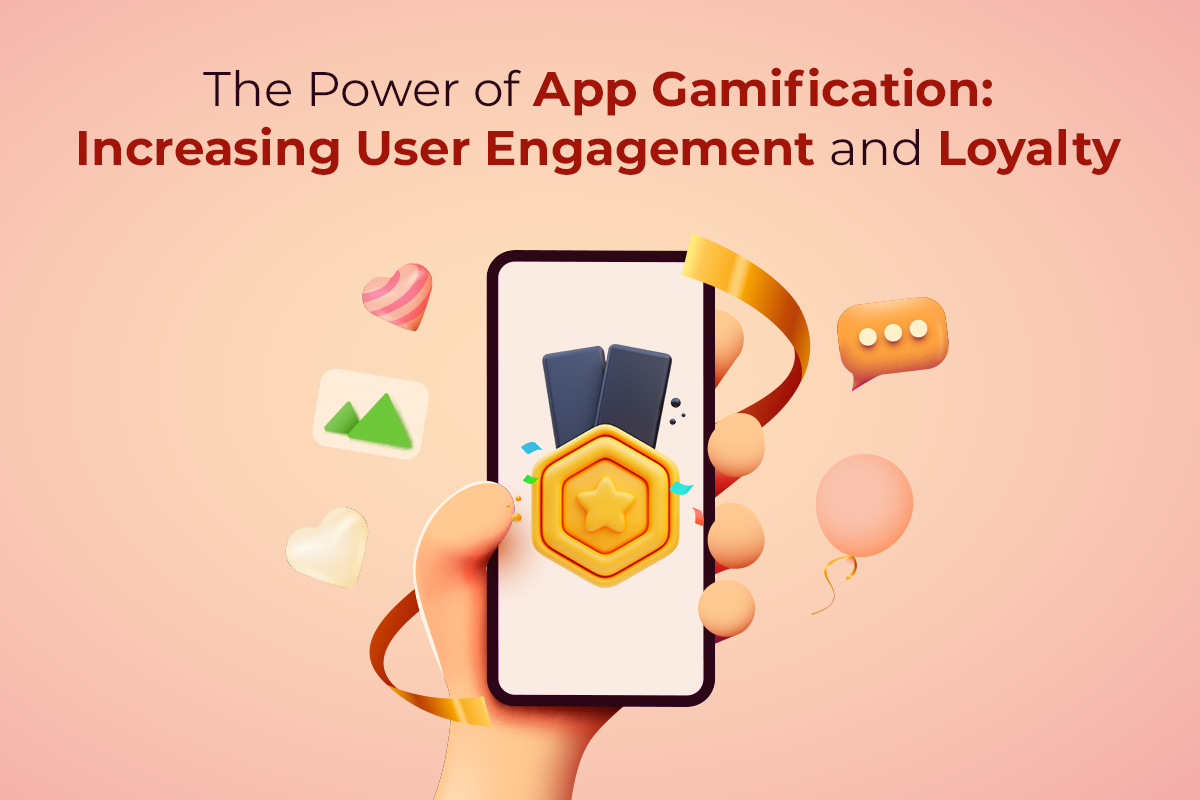
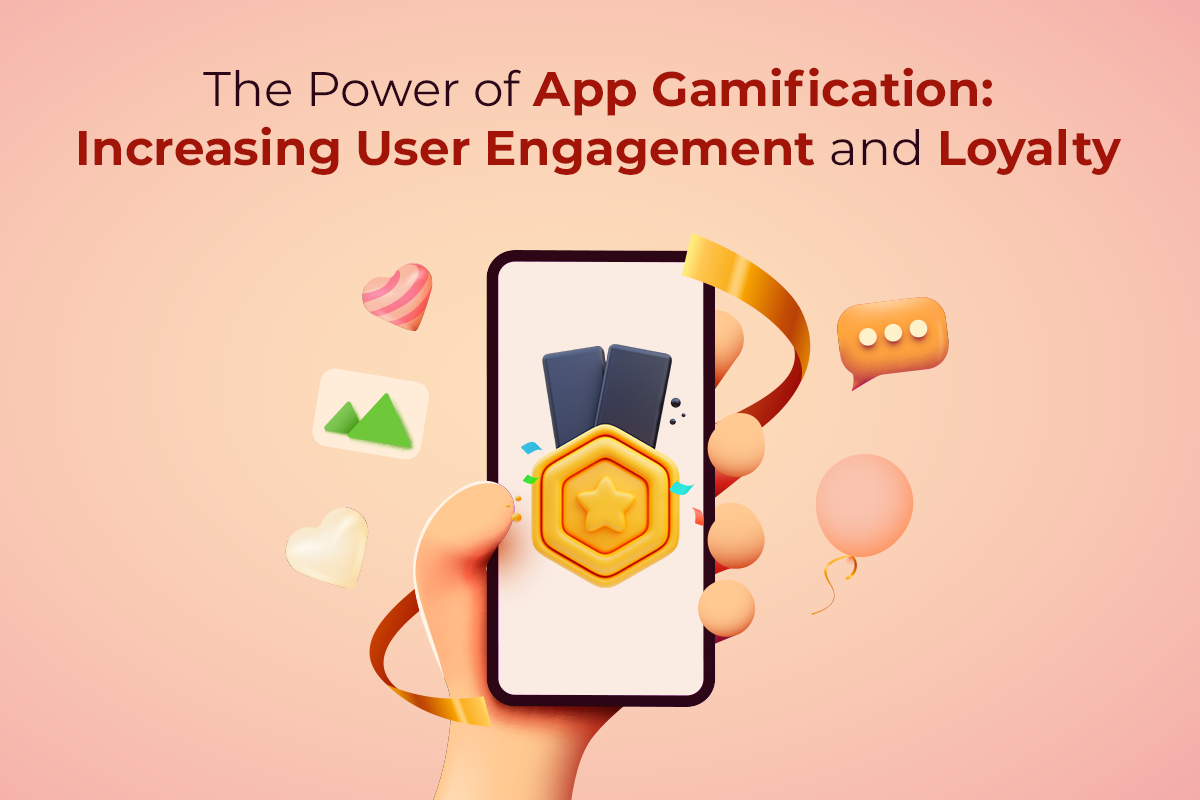
Gamification uses game mechanics and elements to make user experiences more interactive and engaging. In content management, it helps boost user participation, loyalty, and satisfaction by tapping into people’s natural desire for competition, achievement, and recognition.
Whether through virtual rewards like points and badges or real-world incentives such as discounts, gamification transforms ordinary content tasks into motivating experiences. It also enables content teams to track behavior and fine-tune content delivery for better performance and engagement.
Definition of Gamification
Gamification is the process of adding game-like elements to non-game contexts. In content management systems (CMS), this includes features like rewards, levels, badges, and challenges that encourage users to interact more with content.
Though not involving actual video games, gamification uses techniques from game design to turn routine actions into fun, goal-oriented experiences. This leads to increased engagement, higher retention, and better performance from content contributors and consumers.
Types of Games Used in Content Management
- Point Systems: Reward users with points for completing tasks. Points can be used to track progress or unlock perks.
- Achievements and Badges: Visual symbols of milestones that give users a sense of accomplishment.
- Leaderboards: Rank users based on activity, promoting friendly competition and recurring engagement.
- Quests and Challenges: Set structured goals that users must complete, often in a specific order, to gain rewards.
Advantages of Gamification in Content Management
- Increased Engagement: Users interact more with content due to the fun and motivating environment.
- Enhanced Loyalty: Gamified systems encourage repeated interactions and long-term commitment.
- Improved User Experience: Tasks become enjoyable, which boosts satisfaction and ease of use.
- Better Insights: User behavior can be tracked and analyzed for more targeted and effective content strategies.
Understand Your Audience
Identify your users’ motivations and preferences. Tailor your gamification elements—like rewards and challenges—to their needs to make participation meaningful and rewarding.
Start Simple
Begin with basic mechanics like points or badges. As your system evolves, introduce more complex elements like leaderboards and challenges.
Make It Fun
Ensure that interactions are enjoyable. Offer compelling challenges, visually appealing progress tracking, and desirable rewards.
Build in Challenges
Create progressive tasks to keep users engaged. These can range from simple content submissions to complex sequences of actions over time.
Measure Performance
Use metrics to track engagement, participation, and completion rates. This helps optimize your gamified features over time.
Test Your System
Run beta tests with a small group of users. Gather feedback to identify friction points and improve your design before full rollout.
Examples of Successful Gamification Systems
- Foursquare: Location check-ins earn points and unlock badges.
- Waze: Reward users for real-time traffic reports and contributions.
- Uber: Loyalty rewards based on trip frequency.
- Duolingo: Points and level progression in language learning.
- Xbox Live: Points and achievements earned through gaming milestones.
Understanding User Behavior with Gamification
Gamification allows content managers to observe how users interact with content. This data reveals preferences, engagement levels, and potential improvement areas.
It also helps personalize experiences and test new content ideas in real-time based on user feedback and interaction patterns.
Developing a Framework for Gamified Content Strategies
Build your gamification system with a clear framework that includes:
- Game Design: Define goals, rules, and reward systems.
- User Interface: Ensure intuitive design that enhances usability.
- Reward Mechanisms: Offer tangible and intangible incentives to encourage repeated engagement.
Tools to Measure and Analyze Gamification Metrics
Use analytics tools to monitor the performance of your gamified content system:
- Google Analytics: Tracks content engagement metrics like page views, time on page, and user journeys.
- Hotjar/KISSmetrics: Offers behavior heatmaps and user activity tracking.
- GameAnalytics: Tailored for gamified platforms; tracks user retention, session length, and engagement.
- Surveys: Collect qualitative feedback on user satisfaction and desires.
Best Practices for Leveraging Gamification
- Unify the System: Maintain consistency across content, interfaces, and user experiences.
- Use Clear Reward Structures: Communicate how users can earn and use rewards.
- Keep Games Challenging: Ensure that tasks evolve and remain engaging over time.
- Foster Community: Enable social features like rankings, comments, or collaborations to deepen engagement.
- Track and Iterate: Use data to fine-tune the system continuously.
Challenges of Implementing a Gamification System
Gamification can offer great rewards, but it also presents challenges:
- User Engagement: Incentives must align with user interests to avoid disengagement.
- Cost and Complexity: Development and maintenance can be resource-intensive.
- Long-Term Motivation: Keeping users engaged over time requires fresh content and evolving goals.
- Game Design: Poorly designed games may cause confusion or disinterest.
Conclusion: How to Make Gamification Work in Content Management
Gamification adds value to content management by making experiences more enjoyable, interactive, and rewarding. When planned thoughtfully, it can lead to higher engagement, increased loyalty, and stronger user relationships.
To implement gamification successfully, define clear goals, understand your audience, apply best practices, and continually monitor results. With the right framework and tools in place, gamification can become a strategic advantage in your content management system.
Related Reading
- Automate Your Content Management with AI Technology
- Unlock the Possibilities of AR and VR in Content Management
- Unlock Transparency with Blockchain in Content Management
Planning a content platform?
Headless, traditional, or custom — we help teams pick and build the CMS architecture that fits how they actually work.
CMS strategy, architecture, and implementation.
Discuss your CMSA technical conversation, not a sales pitch.