
Engage and Inspire - Content Strategy for Brand Storytelling

Introduction to Content Strategy
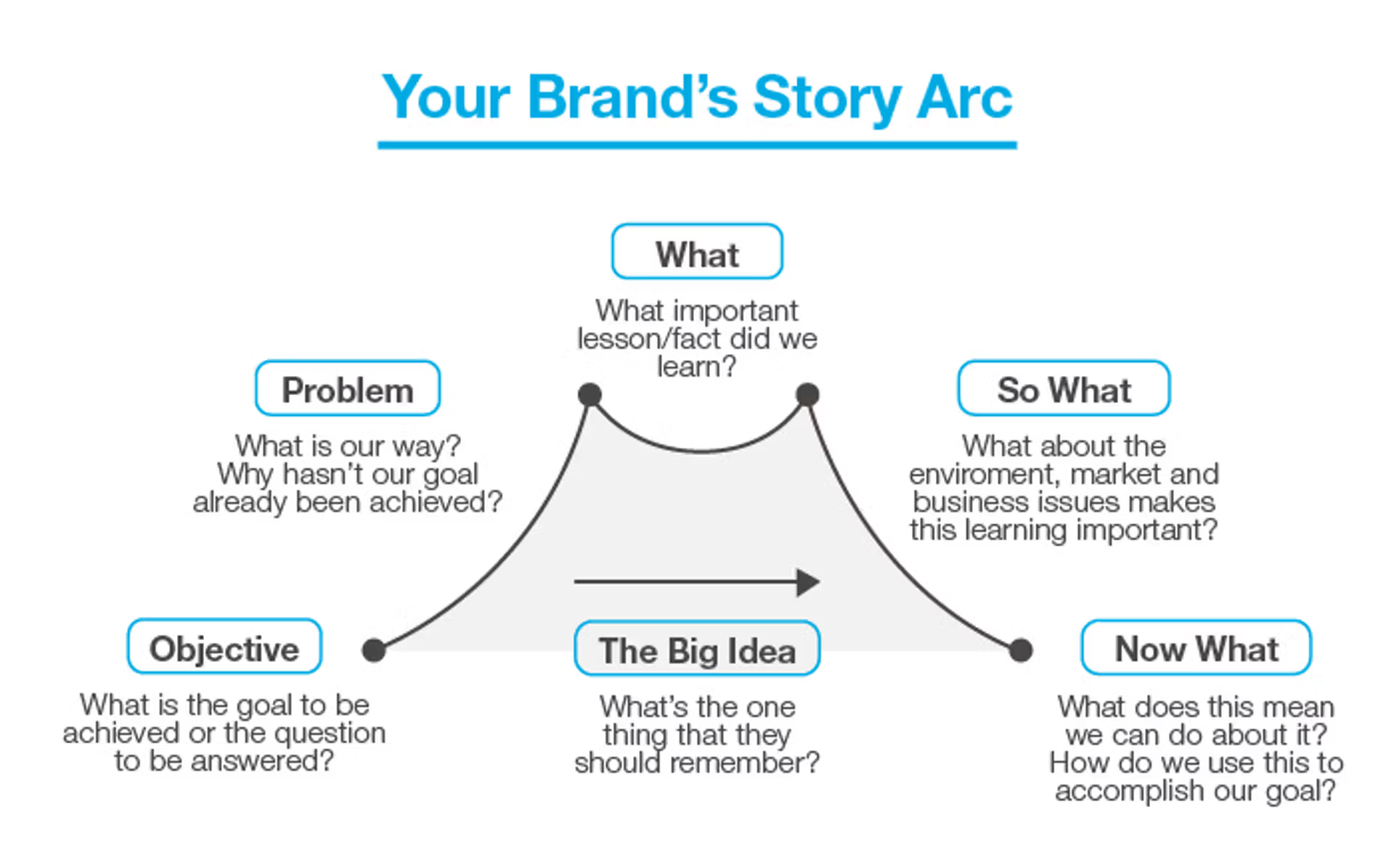
Content strategy is a critical part of effective branding and successful storytelling. It’s essential for creating engaging experiences with your audience, inspiring them to interact with your brand. Content strategy entails planning, organizing, and managing content related to your company or service.
A content strategy helps create a consistent message in how you communicate and deliver content. It also ensures that there’s a purpose behind all the content you produce. The purpose might be to inform, entertain, educate, inspire, or motivate your audience.
Content strategy is about more than just creating content, though. It’s also about ensuring that the content you create reaches the right people and resonates with them. You want to make sure your content is reaching the right audience at the right time.
When creating a content strategy, you’ll need to consider a few key elements:
- Goals: What do you want to achieve with your content strategy?
- Target audience: Who do you want to reach with your content?
- Message: What’s the message you want to communicate with your content?
- Platforms: How are you going to share your content?
These are just a few of the components that go into crafting an effective content strategy. By taking the time to plan out your content and think through each element, you can create content that speaks to your audience and connects with them in meaningful ways.
Why Brand Storytelling Matters
It’s no secret that storytelling is a powerful tool for any business. It’s been used in every type of advertising from television commercials to print ads for centuries. But why is storytelling so important when it comes to brand messaging?
Storytelling has the unique ability to create an emotional connection between your business and your customers. It can bring together narrative and visuals to evoke strong feelings and influence customer behavior. When done correctly, storytelling can help your business stand out among the competition and create a lasting impression on potential customers.
By telling stories, you can also demonstrate the values of your business in a way that reaches your target audience. Whether it’s a story about overcoming adversity or one that celebrates the success of your customers, these stories can help you show your customers that you understand their struggles and concerns.
Storytelling can also be used to build trust by demonstrating what your company stands for. By showing customers that you’re invested in making a positive impact, you can establish yourself as a reliable source of information and gain credibility in the industry.
Ultimately, the key to effective brand storytelling lies in creating a compelling narrative that resonates with your target audience. From choosing the right message to delivering it through the right channels, successful brand storytelling requires an understanding of both the product and the customer. With a little creativity, you can use storytelling to make your brand memorable and inspire customers to take action.
Establishing Goals for Your Content Strategy
Having a content strategy is a vital part of any successful brand storytelling campaign. Before you start your content strategy, it’s important to first establish your goals for the campaign. Without specific goals, it’s difficult to measure and track the success of your content.
Your goals should be specific, measurable, attainable, relevant, and timely (SMART). These will help guide each stage of your journey towards brand storytelling success. For example, one of your goals could be to increase website traffic by 15% within 3 months.
It’s also important to set goals for all of your content, from blog posts to videos and other types of content. Having specific targets linked to your content strategy will help you to ensure that your stories are risk-free and on-brand.
It’s best to use data-driven methods to help you set and measure progress towards your goals. Key metrics such as reach, engagement, and likes are all excellent indicators of the success of your content. Tracking them will help you to measure progress towards your goals.
Finally, remember to adjust your content strategy and goals if something isn’t working. Don’t be too rigid with your content strategy – iterate and create new content to see what works best for your audience, and adjust your goals accordingly.
Defining Your Target Audience
Knowing your target audience is essential for creating effective content that resonates with them. When you know who you’re trying to reach, you can create content tailored to their individual needs and interests. You can also ensure that your message is delivered in a way they understand.
There are a few key steps you can take to define your target audience:
- Identify what problem you’re trying to solve and who it affects most.
- Find out how many people will be affected by your message (and if you want to target different parts of the audience, make sure to identify those too).
- Get to know your target audience. What do they like? Where do they get their information? Knowing your audience’s interests and habits will help you create more relevant content.
- Determine how you’ll measure success. Knowing how to measure the impact of your content will help you focus on what matters and create engaging content that will resonate with your target audience.
Once you’ve defined your target audience, you can begin to develop content that speaks directly to them. Whether you’re crafting stories to promote your product or service, or raising awareness about an important issue, defining your target audience will help you create more effective content that resonates with the people who matter most.
Developing a Clear and Consistent Message
For your content strategy to be effective, it must be based on a clear and consistent message that connects with your target audience. Your message should clearly communicate the value proposition of your brand and what makes it unique. It should also be clear, concise, and consistent in order to ensure that all your content resonates with your target audience.
Start by articulating your overall purpose - why you are creating content and how it relates to your goals. This will provide a framework to guide your decisions as you develop your content strategy. You should then create a messaging document that outlines the key points of your story and the language you wish to use when communicating your message. This document should be reviewed regularly and updated if necessary.
An important part of your messaging is ensuring that it features language that resonates with your audience. This means being aware of the tone, style, and vernacular of your intended audience, and carefully choosing words to engage them. Don’t be afraid to experiment with different approaches to see what works best. You should also be consistent with your message - don’t contradict yourself or change direction too quickly.
Finally, make sure your messaging is honest and transparent. Your audience is smart and can smell insincerity from a mile away. Be authentic in your messaging and never make promises you cannot deliver on. This will help to build trust with your audience and encourage them to engage with your content.
Creating Relevant and Engaging Content
Content creation is one of the most important steps when it comes to content strategy, as it is the foundation of your success. Creating relevant and engaging content requires a lot of planning and creative thinking. You need to be able to create content that resonates with your target audience and drives them to take action.
One way to ensure that your content is engaging is to keep it consistent with your brand message. Make sure that the content you create is relevant and speaks to the needs of your target audience. Utilizing visuals, like videos and images, can help to capture your audience’s attention and keep them engaged.
When creating content, it’s also important to focus on storytelling techniques to make your content more approachable. Storytelling can be used to convey a message about your brand in an interesting way. Think about the most meaningful elements of your brand and how you can use them to tell a story.
In addition, you should research your target audience to know what kind of content they would be interested in. Pay attention to the type of content they engage with and what kind of topics they are most drawn to. This can be done through surveys, interviews or reviews.
Finally, consider the format of your content. Depending on the platform you’re creating for, certain types of content may work better than others. For example, long-form articles or blog posts typically work well for SEO purposes, while short videos tend to perform better on social media.
Overall, creating relevant and engaging content is essential for any successful content strategy. By utilizing storytelling techniques, understanding your target audience and tailoring your content to fit on various platforms, you can create content that resonates with your audiences and drives them to take action.
Identifying the Right Platforms for Sharing Content
Having a content strategy is essential but without the right platform, your content could remain hidden and your story go untold. To maximize the reach of your brand’s stories, it is important to think carefully about where they should be shared.
When deciding what platform is best for your content, there are several factors to consider. The most obvious is the size of your target audience and on what platforms they are likely to be found. For example, if you are targeting a younger generation, then a platform such as Instagram would be ideal, as this is one of the most popular social networks among young people. It is also important to consider where your content will be seen most favorably, as different platforms may have different rules and regulations.
It is also worth considering which platforms your competitors are using and where your stories can stand out from the crowd. If you are looking to reach international audiences, then YouTube is an excellent option as it has a huge global reach. In addition, you must ensure that your content is optimized for each platform. This will help to ensure your content looks good no matter what device it is being viewed on.
Once you have identified the best platforms for your content, it is important to stay up to date with changes that may affect how it is viewed. Many social media networks are now introducing algorithms which determine how content is pushed out and seen. Keeping track of these changes will enable you to adapt your content as needed to ensure it reaches the right people at the right time.
Ultimately, selecting the right platforms to share your content can be a challenge. Taking the time to research your options and identify the platforms where your target audience is most active will pay dividends when it comes to maximizing reach and engagement.
Analyzing and Adjusting Your Content Strategy
Once you have developed your content strategy, it is essential to analyze it regularly to ensure that it is in line with your goals. By tracking the performance of your content, you can make adjustments to your strategy so that it is continuously working for you.
When analyzing your content, you’ll want to consider metrics such as audience reach, engagement, conversion rate, and brand sentiment. You’ll also want to look at the demographics of your audience. Who are they? Where are they located? How do they interact with your content?
Knowing these things can help you determine which pieces of content were more effective than others, which messages resonated with your audience, and what type of content your audience is engaging with the most. You can then use this data to inform future content decisions.
If necessary, you can also adjust your approach to better meet your goals. This could mean changing the platforms you use to share the content, altering the type of content or message you’re sharing, or developing a different creative approach.
No matter how successful your content strategy may be, there is always room for improvement. By consistently analyzing and adjusting your content strategy, you can ensure that it continues to engage and inspire your audience.
Repurposing Content for Different Platforms
It is important to consider repurposing content when creating your brand storytelling strategy. Repurposing content allows you to use the same content for different platforms, giving it new life and reach.
To get the most out of your content, you should consider repurposing it into different formats, such as videos, podcasts, articles, webinars, and more. This not only allows you to reach more people on different platforms, but it also enables you to tailor content specifically for each platform.
For example, if you have a blog post that you want to repurpose, you could create a podcast episode that covers the same topic. You can also create video versions or even an infographic summarizing the main points. All of this will help draw in a new audience and maximize the reach of your content.
When it comes to repurposing content, it is important to ensure that your message is consistent across all platforms. This means you should maintain the same tone, messaging, and branding, no matter which format you use. You also want to make sure that any content you repurpose is still engaging and relevant to your target audience.
When you start to repurpose content, think about how it can be adapted to fit the platform you’re using. For example, if you’re repurposing blog content into a podcast, you may need to make some changes to ensure that the information is conveyed in an engaging way. You may also want to add additional content to make sure your podcast stands out from the rest.
In conclusion, repurposing content is an effective way to extend the reach of your brand storytelling by appealing to new audiences on different platforms. By adapting your content to fit the platform, you can give your content new life and increase engagement.
Connecting Stories with Emotional Resonance
Storytelling is an incredibly powerful tool for creating emotional connections between your brand and your audience. By using storytelling techniques to create authentic, relatable stories, you can create an emotional bond between your customers and your brand.
To do this successfully, you need to understand the emotions that drive your target audience and craft stories that evoke a response from them. What are their aspirations? What do they care about? How can you make them feel heard and valued?
Start by exploring existing stories in your industry that are resonating with your target market. Look at how well these stories have been received, and pay attention to the common themes that are associated with them. Use these insights to create stories of your own that address the topics that your audience cares about.
It’s also important to think about the language you use. Keep it simple and relatable. Speak to your audience as if they’re your friends, not a faceless group. Show empathy and understanding towards their challenges and celebrate their successes. Make sure that the stories reflect the values of your brand and showcase your unique point of view.
Finally, be sure to keep your stories engaging. Tell them in such a way that they captivate your audience and make them want to learn more. This could be through videos, podcasts, images, or written content.
By connecting stories with emotional resonance, you can create a strong bond between your customers and your brand. You can create stories that are meaningful, engaging, and memorable – stories that help to build trust and strengthen relationships between you and your audience.
Enhancing the Reach and Engagement of Your Stories
The stories you tell as a brand have the power to reach and engage your intended audience. But there’s no one-size-fits-all approach to storytelling that will guarantee success. To truly maximize the reach and engagement of your stories, you’ll need to push yourself beyond the basics of what storytelling is. You have to think more broadly about how to make sure your stories are seen, heard, and shared.
One way to ensure your stories have a greater reach is to use visuals whenever possible. Images, videos, and graphics can all help bring your story to life and draw in your audience. Make sure these visuals are high-quality and appropriate to the message you are trying to convey. Additionally, consider using interactive elements such as polls, quizzes, and surveys to increase engagement.
Another important factor is timing. Make sure your stories are released when they can be most effective. Consider when your target audience is most active online and look into the best times to post on different social media platforms. You may also want to use scheduling tools that help you decide the best time for your posts and stories to be released.
Finally, don’t forget to track your results. Analyzing the performance of your stories can help you determine what works and what doesn’t. Not only will this help you refine your content strategy, but it will also help you identify new opportunities for storytelling. Keep an eye on the actions taken by viewers, such as likes, shares, and comments, as an indication of success.
No matter what type of stories you are telling, it is important to remember the value of engaging and inspiring your audience. By leveraging the right tactics and techniques, you can enhance the reach and engagement of your stories to get the most out of your content strategy.
Related Reading
- Engage Users with Interactive Content
- Make Content Migration Strategy
- Accelerate Content Delivery: Introduction to CDNs
Planning a content platform?
Headless, traditional, or custom — we help teams pick and build the CMS architecture that fits how they actually work.
CMS strategy, architecture, and implementation.
Discuss your CMSA technical conversation, not a sales pitch.