
Engage Users with Interactive Content
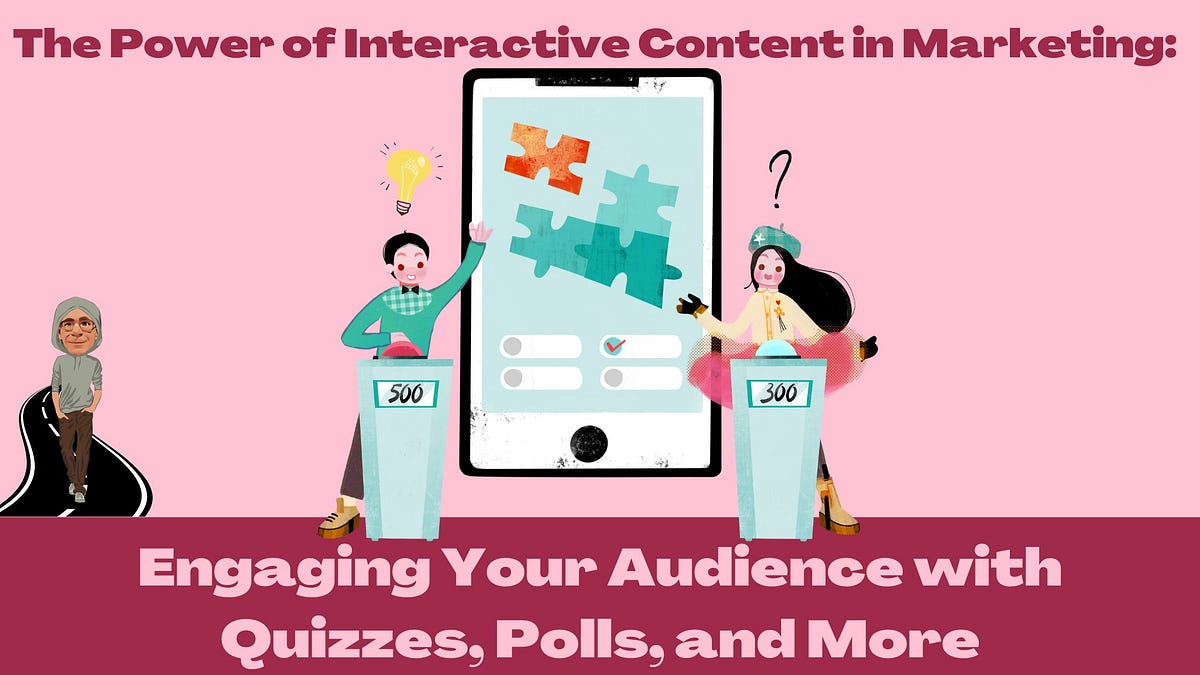
Interactive Content: Quizzes, Polls, and Assessments
Introduction to Interactive Content
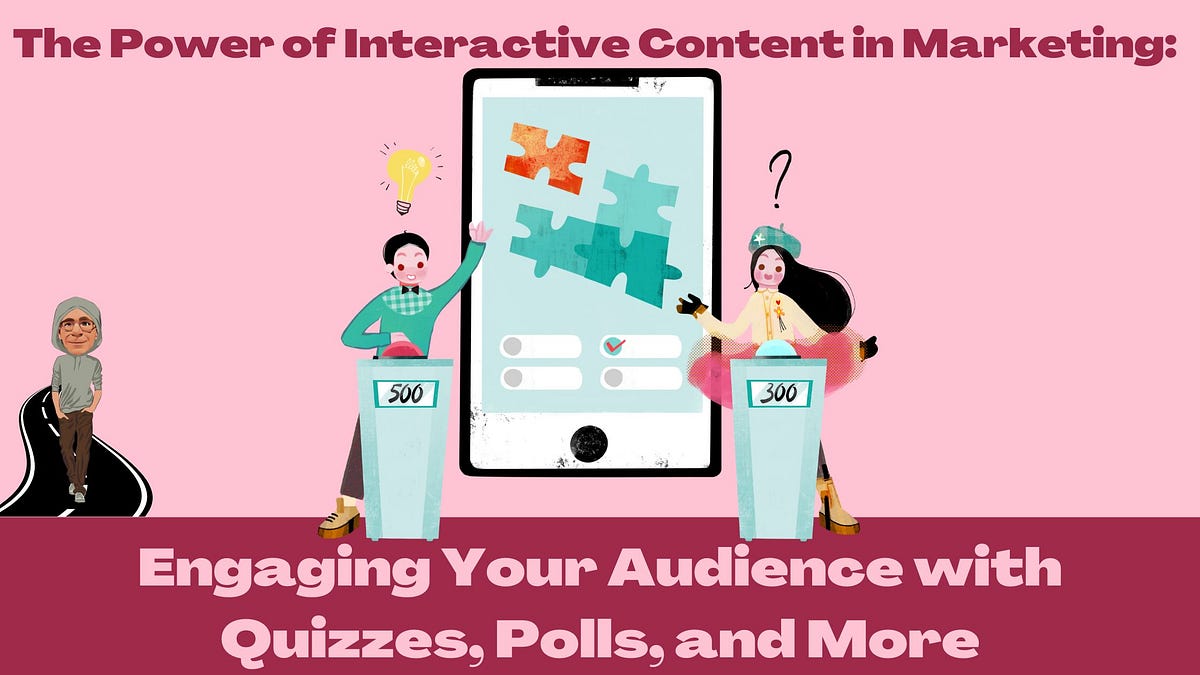 Interactive content helps engage and connect users with your brand.
Interactive content is an important tool for engaging users and helping them connect with your brand. It can come in many different forms, from quizzes and polls to assessments. Interactive content gives users a way to interact with your brand and learn more about it at the same time.
Types of Interactive Content: Quizzes, Polls, and Assessments
Interactive content is becoming increasingly popular among modern-day businesses. A quiz, poll, or assessment can be a great way to engage users and keep them coming back for more. These types of content create an environment that encourages discovery and exploration.
Quizzes are great for testing user knowledge. They can be true/false, multiple choice, or fill-in-the-blank. Keep them short and not too difficult to ensure higher participation.
Polls are simple and effective. They allow users to quickly share opinions. Use open-ended or multiple-choice formats and target them to the right audience.
Assessments help measure knowledge or progress. They can be used before and after a learning session to track improvements. Although more time-consuming, they yield deeper insights.
Choosing the right type of interactive content depends on your goals. When used strategically, quizzes, polls, and assessments can boost engagement and retention.
How to Create Engaging Quizzes
Quizzes educate, entertain, and assess user knowledge. Here’s how to make them effective:
- Choose the right type: Use multiple choice, matching, or fill-in-the-blank depending on the quiz’s goal.
- Write clear questions: Avoid confusing language. Keep them concise and to the point.
- Use visuals: Images, videos, or animations enhance appeal and maintain interest.
- Use fun elements: Humor, pop culture references, or creativity can boost engagement.
- Provide feedback: Show scores and offer insights based on the user’s results.
When done well, quizzes create a memorable and insightful experience for users and provide valuable feedback for your business.
How to Set Up Effective Polls
Polls are excellent tools to gain quick feedback. Use these tips to make them effective:
- Pick relevant topics: Ask questions that resonate with your audience’s interests.
- Choose the right length: Keep them short and easy to answer.
- Use a user-friendly format: Ensure the platform is intuitive and accessible.
- Promote the poll: Use social media and email to reach your target audience.
- Incentivize participation: Offer discounts or content in exchange for responses.
Effective polls not only engage your users but also generate meaningful insights you can use to improve your strategy.
How to Craft an Engaging Assessment
Assessments can be powerful tools for learning and data collection. Here’s how to craft one:
- Define your purpose: Decide whether it’s for fun, learning, or evaluation.
- Structure questions wisely: Ensure each question contributes to your goal.
- Consider difficulty: Make it appropriately challenging to get valuable insights.
- Provide feedback: Help users understand their results and how to improve.
A well-designed assessment offers value both to the user and to your business strategy.
What Type of Questions Should Be Used in an Assessment?
Use a mix of question types to assess knowledge thoroughly:
- Multiple choice: Easy to answer and grade.
- Fill-in-the-blank: Requires better recall and understanding.
- Matching: Helps evaluate conceptual connections.
- Open-ended: Allows deeper insights but is harder to evaluate.
Balanced question design ensures a better user experience and more accurate results.
Analyzing Data From Quizzes, Polls, and Assessments
Analyzing user data from interactive content reveals what’s working and what needs improvement. Follow these steps:
Set Objectives
Know what you want to achieve—engagement, lead generation, or learning measurement.
Track Metrics
Monitor completion rates, time spent, scores, and conversion data.
Analyze Results
Look at overall trends and individual responses. Understand which content performs best.
Take Action
Use data to improve content structure, question formats, and targeting strategies.
Best Practices for Optimizing Interactive Content Strategies
- Make it relevant: Align content with audience interests and current trends.
- Be creative: Use appealing visuals, titles, and formats to grab attention.
- Do research: Understand your audience and past performance to refine your strategy.
- Encourage sharing: Add social share buttons and invite users to spread the word.
- Analyze outcomes: Regularly review performance to fine-tune future campaigns.
Interactive content should not only be fun but also purposeful. When optimized well, it drives traffic, conversions, and loyalty.
Related Reading
- Engage and Inspire - Content Strategy for Brand Storytelling
- Accelerate Content Delivery: Introduction to CDNs
- Achieve High Performance with Content Delivery Networks (CDNs)
Planning a content platform?
Headless, traditional, or custom — we help teams pick and build the CMS architecture that fits how they actually work.
CMS strategy, architecture, and implementation.
Discuss your CMSA technical conversation, not a sales pitch.