WordPress Alternatives for Website Creation
Break Free from WordPress: Discover New Possibilities!
Are you tired of using the same old tools when it comes to building and managing websites? WordPress, while powerful, can often feel restrictive or overly complex—especially if you’re looking for a more modern, intuitive, or creative approach. It’s time to break free from those limitations and discover a whole new world of web design possibilities. With the rise of innovative no-code and low-code platforms, you now have more freedom than ever to create, design, and launch your ideal website without compromise. In this article, we’ll take you on a journey beyond WordPress, exploring new platforms that empower you to bring your boldest digital visions to life.
Table of Contents
- Why Look Beyond WordPress?
- Unleash Your Creativity: Explore Alternatives to WordPress
- No-Code Builders: Power and Simplicity Combined
- Low-Code Platforms for Greater Flexibility
- Best Options for E-Commerce Sites
- Content-Focused Platforms for Bloggers and Writers
- Creative Portfolios and Designer-Friendly Tools
- AI-Powered Website Builders
- Hosting, Security, and Built-In SEO Benefits
- How to Choose the Right Platform for You
- Conclusion: Say Goodbye to the Ordinary
Why Look Beyond WordPress?
WordPress has dominated web development for nearly two decades, powering millions of websites across industries. Its plugin ecosystem, theme library, and open-source nature offer extensive customization. However, its learning curve, frequent maintenance requirements, plugin conflicts, and reliance on third-party tools can frustrate both beginners and professionals.
In 2025, users expect simplicity, speed, and design freedom. They want platforms that integrate seamlessly with modern tools and technologies. That’s why exploring alternatives is more important than ever. Whether you’re a freelancer, small business, or creative professional, there’s likely a better fit out there for your unique needs.
Unleash Your Creativity: Explore Alternatives to WordPress
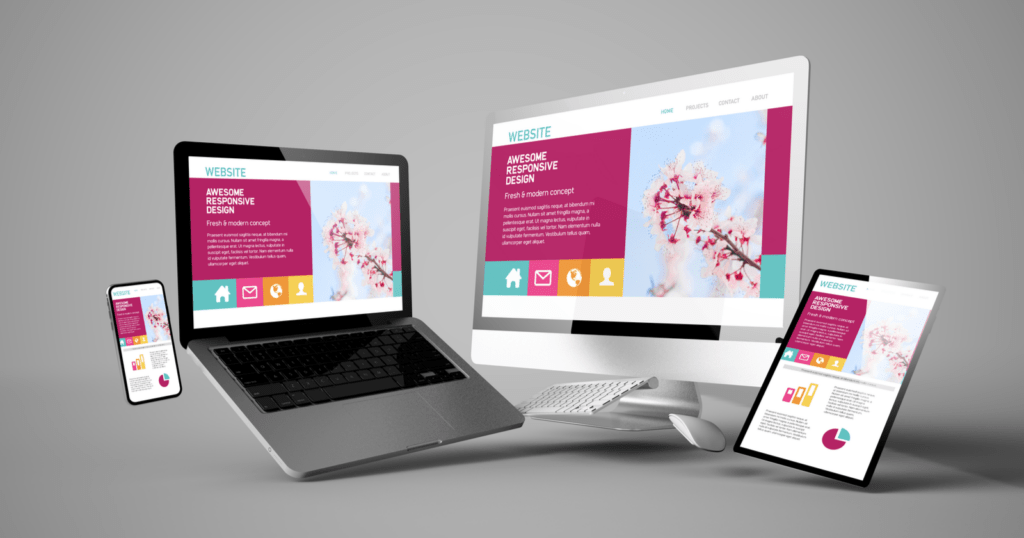
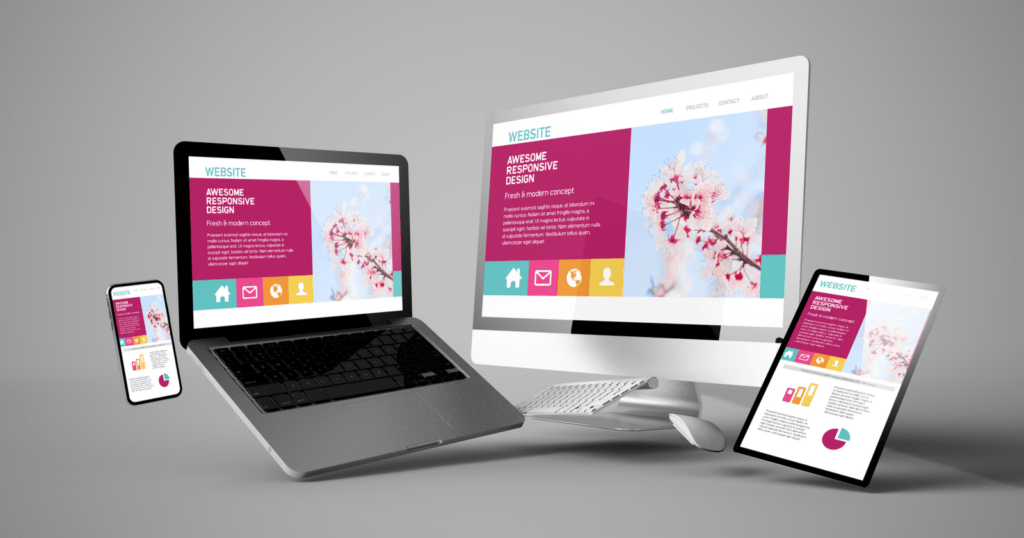
Platforms like Wix , Squarespace , and Weebly cater to users who prioritize design, ease of use, and fast deployment. These platforms come with drag-and-drop editors, designer-quality templates, and built-in mobile responsiveness—no coding needed.
Want to build a homepage with scroll-based animation? Need interactive sections or bold image galleries? These tools let you achieve it in minutes. You can also manage blogs, bookings, and contact forms with simple add-ons—no plugins or custom PHP required.
No-Code Builders: Power and Simplicity Combined
No-code builders have surged in popularity thanks to their intuitive interfaces. Wix Studio , Webflow , and Framer allow users to craft beautiful, responsive sites visually while still delivering production-level output.
These platforms eliminate the need for server setup, performance optimization, or plugin management. Hosting, SSL, backups, and SEO are all built in—making these tools ideal for creatives, marketers, and entrepreneurs looking for speed and polish without the hassle.
Low-Code Platforms for Greater Flexibility
If you’re comfortable with a bit of code and want more control, low-code platforms like OutSystems , Zoho Creator , and Bubble provide powerful workflows for building custom applications or websites with minimal hand-coding. You can integrate APIs, automate logic, and customize user flows, all within a visual editor.
This is especially useful for startups building SaaS platforms or service-based businesses needing customer portals or booking systems without hiring a large development team.
Best Options for E-Commerce Sites
Looking to build a store? Shopify and BigCommerce are two of the most powerful e-commerce platforms available. They offer secure checkout systems, inventory management, multi-currency support, abandoned cart recovery, and marketing automation.
Even creators and influencers are launching shops using tools like Sellfy and Gumroad , which are tailored to digital goods and subscriptions. These platforms remove the backend management entirely and let you focus on growth.
Content-Focused Platforms for Bloggers and Writers
Writers and bloggers looking for speed and simplicity should consider Ghost and Medium. These platforms offer elegant typography, distraction-free writing environments, and monetization options like memberships or paid newsletters.
Ghost, in particular, is gaining traction among independent publishers thanks to its integrated email tools and blazing-fast backend powered by Node.js. It’s SEO-friendly, easy to maintain, and purpose-built for content creators.
Creative Portfolios and Designer-Friendly Tools
Designers, photographers, and illustrators often struggle to fit their visual work into traditional CMS layouts. Platforms like Adobe Portfolio and Carbonmade are specifically made for creatives.
They support high-resolution media, full-screen layouts, and seamless integration with tools like Lightroom, Photoshop, and Behance. Best of all, they allow you to manage your online presence visually—just like you design your work.
AI-Powered Website Builders
The latest wave of website tools includes AI-driven platforms like Durable , Zyro , and 10Web. These tools can build a fully functional website in seconds by answering a few questions about your business.
AI helps generate layouts, copy, and even branding assets—offering a launchpad for solopreneurs and startups to get online instantly. AI tools can also optimize images, predict user behavior, and adjust layouts dynamically for better engagement.
Hosting, Security, and Built-In SEO Benefits
Modern platforms take care of performance, security, and SEO for you. No more worrying about updates, caching plugins, or configuring SSL. Features like built-in CDN, structured data, lazy loading, and automatic image optimization are now standard.
Most platforms also include real-time analytics, form protection, DDoS shielding, and GDPR compliance—giving you peace of mind without requiring technical expertise.
How to Choose the Right Platform for You
Before switching from WordPress, assess your needs:
- Are you building a store, blog, portfolio, or SaaS product?
- Do you want visual control, coding flexibility, or full automation?
- What’s your budget and preferred learning curve?
Compare platforms based on features, templates, integrations, and support. Many offer free trials or demos, so take time to test them. Look for long-term scalability, not just short-term convenience.
Conclusion: Say Goodbye to the Ordinary
Breaking free from WordPress doesn’t mean leaving quality behind—it means choosing the platform that aligns with your creative vision and project needs. Whether you’re an artist looking to showcase your work, a business owner ready to launch your store, or a writer eager to grow your audience, there’s a modern website builder that fits perfectly.
The future of web creation is flexible, fast, and incredibly user-friendly. Embrace it. Build boldly. And let your imagination lead the way.
Related Reading
- Discovering the Bright Future of Web Creation in 2025
- Boost Website Performance with Dynamic Content Personalization
- Mastering WordPress Installation: A Step-by-Step Guide Using the Command Line Interface
Planning a content platform?
Headless, traditional, or custom — we help teams pick and build the CMS architecture that fits how they actually work.
CMS strategy, architecture, and implementation.
Discuss your CMSA technical conversation, not a sales pitch.