Get Consistency and Compliance with Content Governance
What Is Content Governance?
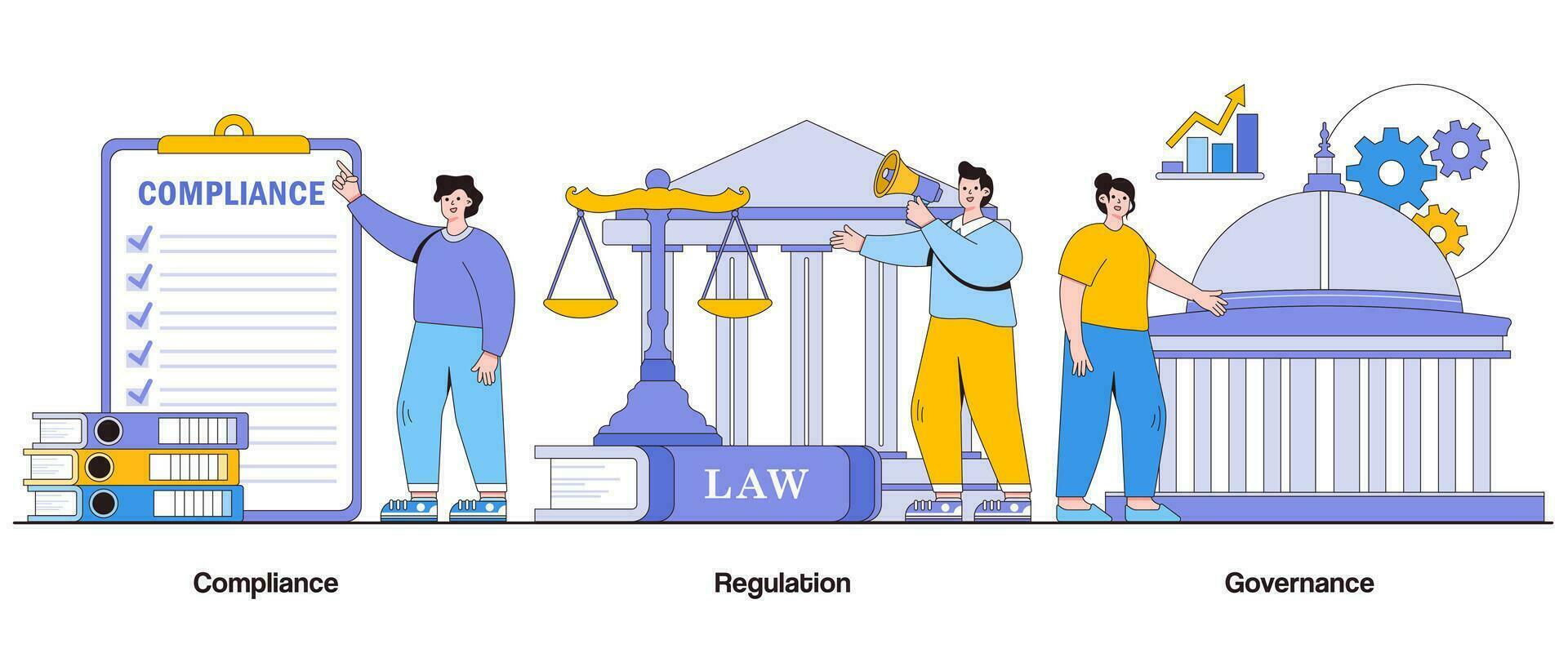
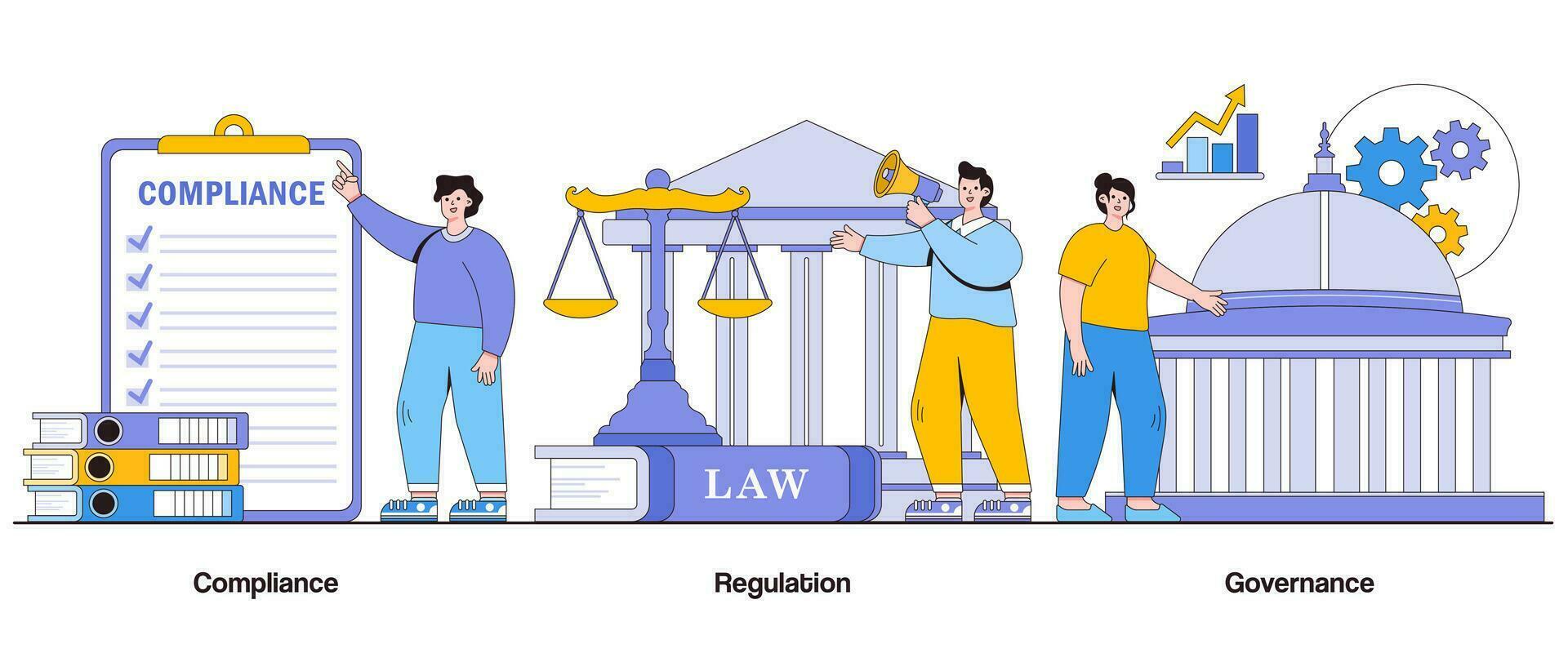
Content governance is the structured management of all content to ensure it aligns with organizational goals, such as accuracy, quality, and compliance. It involves creating a system of rules, protocols, and workflows that maintain uniformity and quality across all published content.
As digital content continues to grow, businesses are finding it harder to control the information shared across channels. A solid content governance strategy helps maintain control over both content quality and accuracy.
Governance is also essential for legal compliance and meeting industry standards. Clear rules ensure that content meets ethical, privacy, and legal requirements, reducing potential risks.
Additionally, content governance helps ensure that everyone follows the same standards during content creation and publication. This leads to more consistent and reliable communication.
In summary, content governance helps organizations create, approve, and distribute content that is accurate, consistent, and compliant—supporting business goals effectively.
Understand Your Content Objectives
To build a strong governance plan, start by defining your content goals. Without clear objectives, it’s difficult to create effective policies or measure success.
Consider the purpose behind each piece of content. What message should readers take away? What action should they take? Then determine the most suitable content types—text, video, audio, or a combination.
Define your target audience. Are you addressing a niche demographic or a broader group? Also, decide where the content will live—on your website, social media, or email.
Once you’ve clarified your objectives, develop content governance policies that align with those goals. Review and adjust them regularly, especially when objectives evolve.
Establish Clear Roles & Responsibilities
A successful governance framework depends on clear roles and responsibilities for everyone involved. This includes content creators, reviewers, approvers, and even external stakeholders like regulators.
Create a list of all participants—from writers and editors to final approvers. Assign tasks like topic research, drafting, editing, and feedback clearly to each role.
Ensure responsibilities are well-defined, including who has final sign-off authority. Allocate content areas among team members to maintain consistency in tone and quality.
Set deadlines and hold team members accountable. Keep open communication, especially when timelines or priorities change.
Developing a Content Creation Process
Content governance requires a standardized process for creating and publishing content. This keeps quality, consistency, and brand alignment in check.
Steps to define your content creation process:
- Clarify the purpose of each content piece.
- Outline the topics to cover.
- Assign responsible creators.
- Set clear deadlines.
- Choose the content format (blog, video, etc.).
- Define approval procedures.
- Publish only after full approval.
This streamlined approach ensures your content is up to standard. It also saves time, since expectations are clear from the start.
Include all stages—pre-production (research, planning), production (writing, editing), and post-production (QA checks, approvals). Review the process regularly to optimize for better results.
Develop a content style guide to maintain consistency. This guide should cover everything—headlines, tone of voice, grammar rules, visual usage, formatting, and brand voice.
Define standards for acronyms, capitalization, and writing tone. Make the guide easy to understand and accessible, and update it as your brand evolves.
Define Guidelines for Content Approval
Your governance strategy must include clear and documented approval guidelines. Every content piece should be reviewed to ensure it meets company standards before publication.
Start by identifying who’s involved in the approval process—content managers, legal advisors, subject matter experts, and others. Everyone should know their role and be empowered to suggest edits or corrections.
Create a checklist to verify content accuracy, legal compliance, copyright issues, and brand alignment. The entire team must agree on the criteria for approval.
Track edits and changes using version control. This is especially important for collaborative content development. Maintain transparency and consistency throughout the process.
Assign reviews at multiple stages—before, during, and after publication. This ensures any issues are caught early and corrected promptly.
Employ an Automated Content Governance Solution
Automation plays a critical role in modern content governance. It ensures compliance with predefined rules and speeds up publishing workflows.
Key benefits of automation include:
- Content Validation: Checks for guideline compliance automatically.
- Content Syndication: Publishes approved content to selected platforms.
- Approval Workflows: Enforces review rules before content goes live.
- Tool Integration: Works seamlessly with your CMS, DAM, or social tools.
Automated systems can also notify relevant team members when content is updated or flagged. This helps keep all content current and within compliance.
By integrating automation, you save time, cut costs, and reduce the chance of human error—while improving governance effectiveness.
Setting Up Quality Assurance Procedures
To maintain quality, establish a formal QA process. Designate a team or individual responsible for enforcing these standards.
Create a checklist covering grammar, facts, formatting, tone, and legal accuracy. Define who must approve content and when.
Use tools to speed up proofreading and detect inconsistencies. These tools can reduce manual work while improving accuracy.
Periodically review your QA process and update it to ensure ongoing relevance. This helps you catch problems early and refine your content pipeline over time.
Utilizing Metrics for Evaluation
Metrics help evaluate whether your content governance plan is achieving its goals. Define clear KPIs that reflect both performance and efficiency.
For example, track:
- Engagement metrics like views, shares, and time on page
- Cost savings from efficient workflows
- Content quality indicators like readability scores
Analyze your data regularly. Use the insights to refine your processes and set new goals. This ensures your governance strategy evolves with your business needs.
Identifying Content Sources
Using the right content sources is key to maintaining quality and compliance. Begin by determining the content types you need—articles, videos, images, or other assets.
Use reputable third-party sources or produce original content. Always confirm that you have proper rights or licenses to use external materials.
Ensure the source content is accurate, relevant, and regularly updated. Be mindful of copyright and always credit the original creator where needed.
Audit your sources regularly to ensure they’re still aligned with your brand and user expectations.
Establish a Knowledge Base
A centralized knowledge base helps ensure consistency across your content library. It stores documents, visuals, videos, and more in one accessible location.
Key steps to building one:
- Organize content for easy navigation
- Tag items with relevant keywords
- Include version history and file dates
- Set permission levels for access
- Keep the base updated regularly
Automated governance tools can improve versioning, search, and content tracking. A well-maintained knowledge base ensures smooth collaboration and compliance.
Monitor and Evaluate the Content Governance Plan
Continuous monitoring keeps your governance plan relevant and effective. Review performance data and adjust strategies as needed.
Conduct periodic audits to ensure roles are fulfilled, content creation follows process, and brand standards are met. Annual audits are a minimum best practice.
Gather feedback from internal teams and stakeholders. Use their input to refine your approach and improve your plan’s performance over time.
By consistently tracking and evaluating your governance plan, you ensure it supports your business goals and maintains content quality across all channels.
Related Reading
- Accelerate Content Delivery: Introduction to CDNs
- Achieve High Performance with Content Delivery Networks (CDNs)
- Automate Your Content Management with AI Technology
Planning a content platform?
Headless, traditional, or custom — we help teams pick and build the CMS architecture that fits how they actually work.
CMS strategy, architecture, and implementation.
Discuss your CMSA technical conversation, not a sales pitch.