
The Ultimate Guide to Content Performance Metrics that Matter
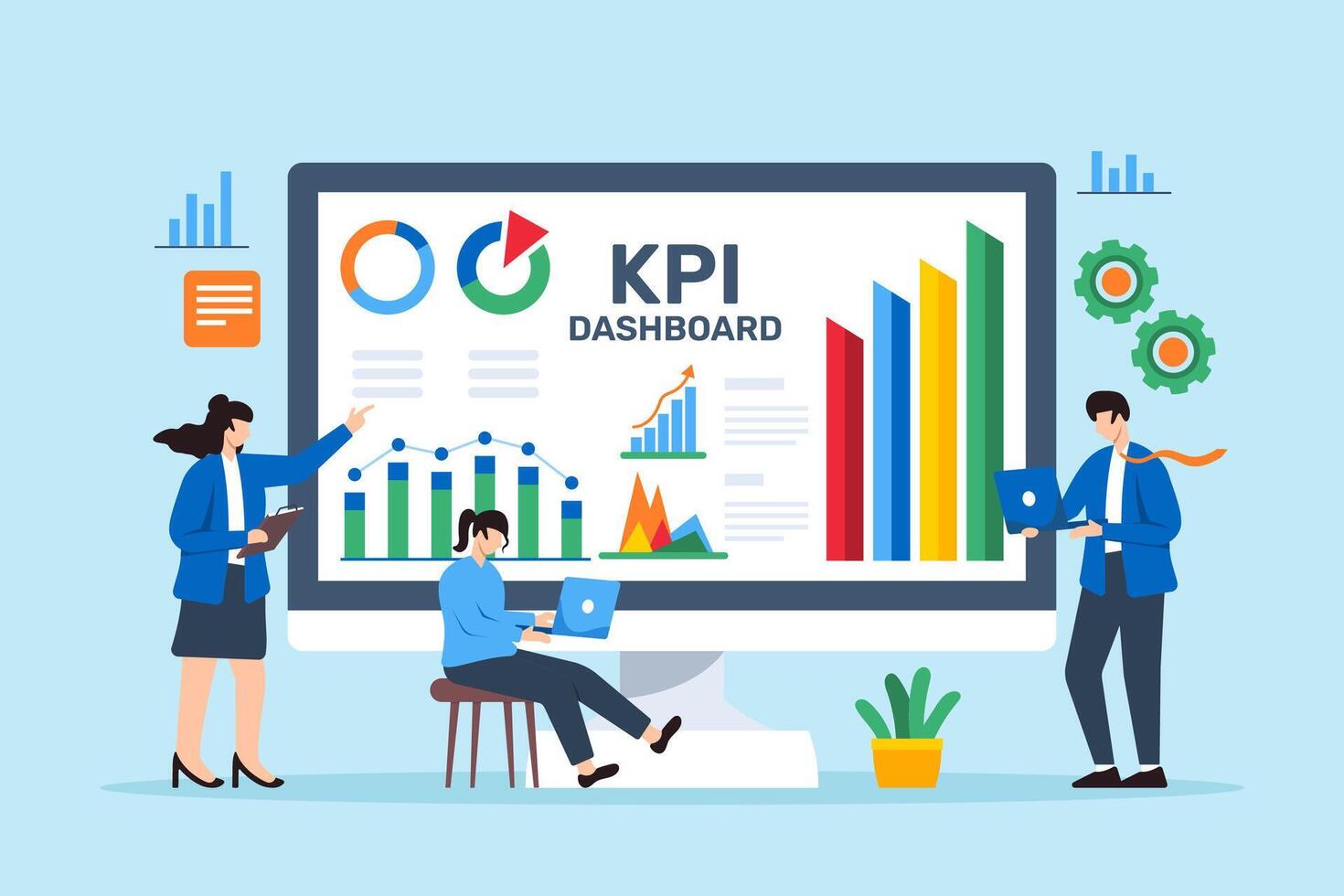
Understanding the Purpose of Content Performance Monitoring and Reporting
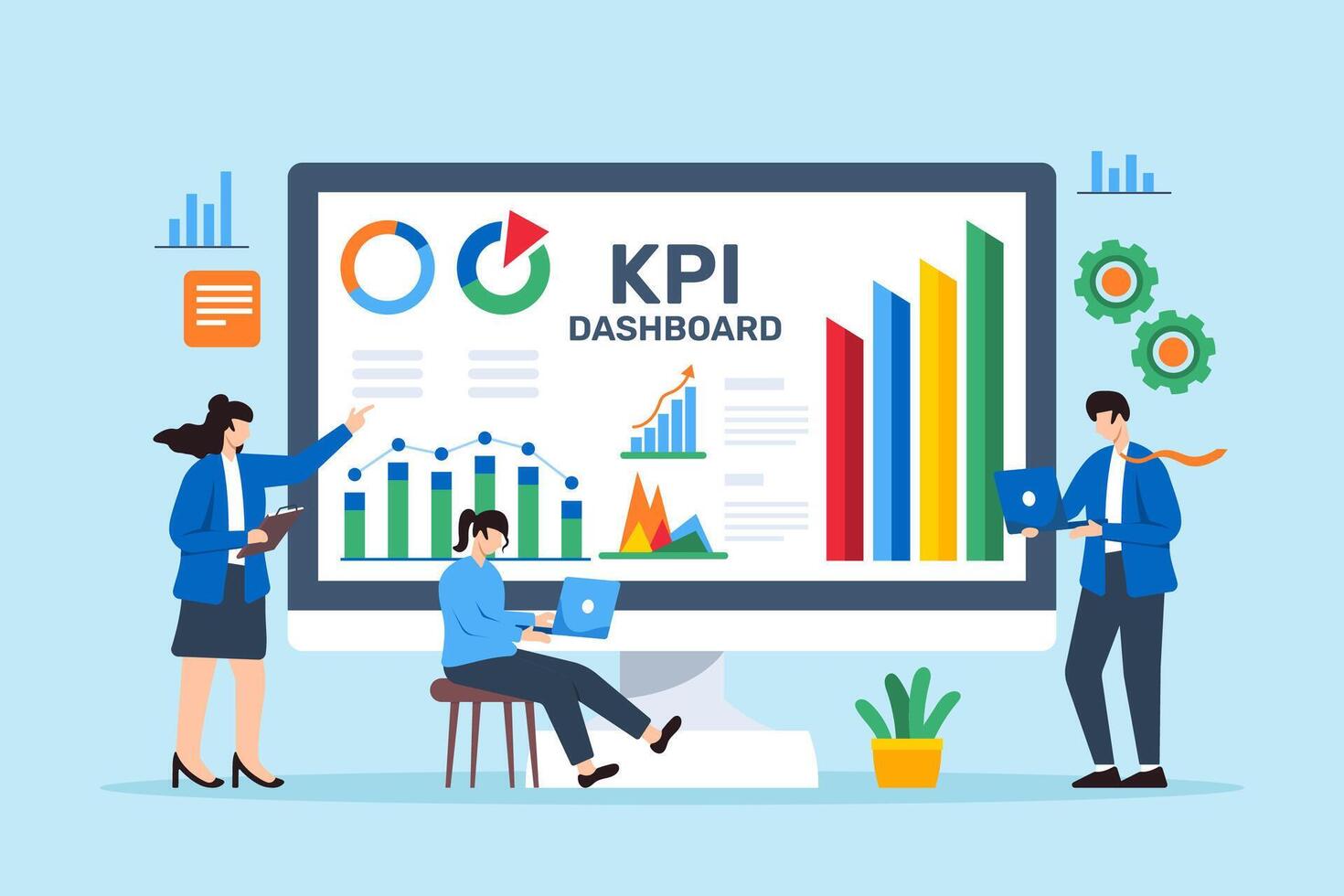
Content performance monitoring and reporting help measure how well your website, digital content, and social media channels are performing. This process allows you to identify what is working and what isn’t, enabling you to make data-driven decisions to improve and optimize your content for better reach.
Key performance indicators (KPIs) offer measurable and actionable insights into content performance. These indicators help you track and compare data over time, spot areas that need improvement, and develop content that is more effective and engaging.
Common KPIs include metrics such as web traffic, SEO performance, user engagement, customer service feedback, and survey responses. Regular monitoring of these metrics enables you to identify top-performing content and determine which pieces need revision or removal.
Monitoring content performance not only shows you what’s successful but also provides a deeper understanding of your audience. Knowing what type of content your audience prefers allows you to create content that resonates and drives more traffic to your site.
Additionally, performance data helps guide future content strategies. You can make informed decisions about the type of content to produce, when and where to post it, and how to optimize it for better results.
Clarifying Metrics that are Most Relevant to Tracking Content Performance
Understanding which metrics matter is key to tracking content performance. These metrics can vary depending on your business goals, but some essential ones include web traffic, SEO, social media engagement, user experience (UX), customer service feedback, and survey data.
Measuring web traffic gives you a broad overview of content performance. You can break this down into page views, unique visits, click rates, and average time spent on each page. Comparing these metrics against industry benchmarks helps you assess how well your content performs.
SEO metrics track how well your content is optimized for search engines. Important indicators include keyword rankings, backlinks, and organic click-through rate (CTR). Good SEO improves visibility and drives more traffic to your site.
Social media engagement is another critical metric. It measures how well your content performs on platforms like Facebook, Twitter, and Instagram. Key interactions include likes, shares, comments, and clicks.
User experience (UX) focuses on how people interact with your content. UX metrics include page load speed, scroll depth, and click-through rate. Tracking these helps identify areas where users may encounter issues.
Customer service data and survey feedback reveal how your audience feels about your content. You can measure this through average response times, resolution rates, and satisfaction scores. Surveys can also provide direct insights into what your audience likes or wants more of.
Tracking these metrics provides valuable insights, allowing businesses to adjust and improve their content strategy as needed.
Establishing Data Points for Measurements
Establishing clear data points is essential when measuring content performance. This step involves choosing the right metrics that align with your business goals and assigning numerical values for accurate tracking.
For instance, if your goal is to increase web traffic by 10% over six months, start by assessing your current traffic. Select a suitable metric such as monthly unique visits. Set a baseline—say, 1,000 visits per month—and use this as a point of comparison moving forward.
Accurate measurement depends on selecting relevant metrics and assigning appropriate values. Too many data points can make analysis confusing and may obscure key insights. Focus on a few meaningful metrics that directly reflect your objectives.
By setting clear data points, you create a reliable framework for tracking content success and identifying opportunities for improvement.
Analyzing Key Performance Indicators (KPIs)
Key Performance Indicators (KPIs) provide a numerical representation of content success. Understanding which KPIs to track helps identify what’s working and where to allocate resources for maximum impact.
Your chosen KPIs should align with your content goals. If your aim is to increase website traffic, track metrics like pageviews, time on page, and clickthrough rates. If your goal is conversions, monitor conversion rates, visits per lead, and cost-per-acquisition.
Keep in mind that different content types may require different KPIs. For example, e-commerce product pages may demand different metrics than blog posts. Setting specific KPIs for each content type helps fine-tune your strategy.
Create a list of KPIs, set baseline values, and monitor them regularly. This will allow you to spot trends, identify areas of success, and make informed decisions to improve your content’s performance.
Examining Web Traffic
Analyzing web traffic helps you understand who is visiting your content and how they are engaging with it. Key data points include the number of visitors, referral sources, page views, time on page, and bounce rates.
Web traffic analysis also provides demographic information such as user location, age, gender, and interests. This data can help tailor content to better match your audience’s preferences.
Use tools like Google Analytics to track this information. These platforms measure visitor behavior including clicks, scrolls, and downloads, offering deeper insight into how users interact with your site.
Understanding web traffic helps you uncover new opportunities to improve content and better serve your audience.
Auditing Search Engine Optimization (SEO)
SEO audits evaluate how well your content is optimized for search engines. An audit helps ensure that your content is discoverable, leading to increased visibility and traffic.
Key aspects of an SEO audit include:
- Identifying high-potential keywords
- Optimizing titles, meta descriptions, and headers
- Analyzing page load speeds and site structure
- Reviewing internal and external linking strategies
- Monitoring keyword rankings and backlink profiles
Regular SEO audits help keep your content aligned with best practices and increase your chances of ranking higher in search results.
Measuring Social Media Engagement
Social media engagement is a powerful indicator of content effectiveness. It reflects how your audience interacts with your content across platforms.
Engagement includes two main categories: mentions and actions. Mentions are posts about your brand, while actions include likes, shares, comments, and clicks.
Track engagement by platform to determine where your content is performing best. Use tools like Google Analytics, Hootsuite, or Sprout Social to monitor metrics.
For deeper analysis, platforms like Buzzsumo and BrandWatch can help you identify trends and influential users. Monitoring engagement helps refine your content strategy and expand your reach.
Exploring User Experience (UX)
User experience (UX) measures how easy and enjoyable it is for users to interact with your content. A good UX leads to better engagement and higher satisfaction.
Metrics to track include time on page, click-through rate, page speed, and navigation ease. These indicators help identify friction points in your content experience.
UX testing and analysis reveal what content is effective and what needs improvement. By making adjustments based on user behavior, you can enhance the overall experience and boost performance.
Assessing Customer Service Data
Customer service data offers insights into how your content is received. Feedback from support tickets, emails, and chat logs can highlight common questions and concerns.
Create a system to track and categorize inquiries. This helps identify trends and recurring issues related to your content.
Consulting with your customer service team can uncover valuable feedback. Consider using automated surveys to gather more structured responses from customers.
Reviewing this data regularly helps improve both your content and customer satisfaction.
Examining Feedback from Customer Surveys
Customer surveys provide direct feedback on your content’s effectiveness. They allow you to understand what your audience values and what they want improved.
Ask targeted questions such as:
- Does our content reflect our brand effectively?
- How could we make our content more engaging?
- Is the content easy to understand?
- What topics would you like to see covered?
Analyze survey results to identify strengths and weaknesses in your content. Use social media comments and reviews as additional feedback sources to validate trends.
Leveraging Analytics Technology for Insights
Analytics technology offers real-time insights into content performance. These tools help uncover patterns, track user behavior, and identify opportunities for improvement.
Analytics platforms monitor metrics like traffic sources, click-through rates, and page visits. They also show which content performs best across different channels.
By understanding these trends, you can fine-tune your content strategy, focus on high-performing areas, and optimize future campaigns.
Making Sense of the Data to Inform Future Content Strategies
Turning data into action is the final and most critical step. Patterns and trends reveal how users engage with your content and which strategies drive success.
Monitor key metrics like pageviews, bounce rates, and backlinks. Analyze social media engagement and UX metrics to understand what resonates with your audience.
Combine data from analytics tools, surveys, and customer service to gain a full picture. This comprehensive view helps guide future strategies, ensuring your content continues to perform well.
Related Reading
- Achieve High Performance with Content Delivery Networks (CDNs)
- Boost Website Performance with Dynamic Content Personalization
- Find Your Competitor’s Edge: Content Performance Benchmarking
Planning a content platform?
Headless, traditional, or custom — we help teams pick and build the CMS architecture that fits how they actually work.
CMS strategy, architecture, and implementation.
Discuss your CMSA technical conversation, not a sales pitch.