
Future-Proofing Your Software
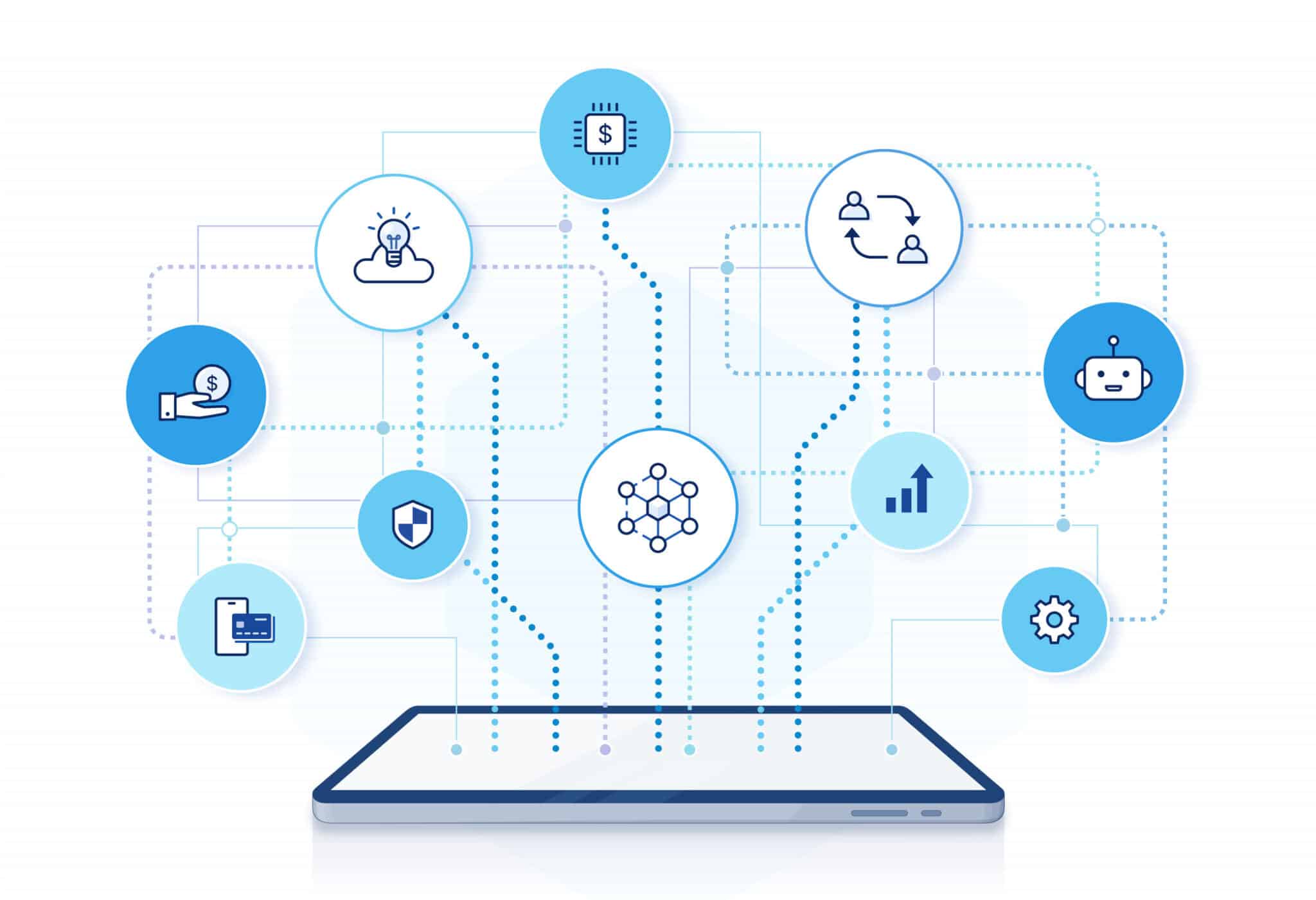
In the rapidly evolving landscape of technology, ensuring the longevity and relevance of your software is crucial for the sustained success of your business. In this comprehensive guide, we will delve into 15 unbeatable strategies that every business should consider to future-proof their software. From embracing cutting-edge technologies to optimizing user experiences, these strategies are designed to navigate the ever-changing digital terrain.
Embrace Agile Development Methodologies:
Adopting Flexibility for Future Success
Agile methodologies, such as Scrum or Kanban, provide a flexible framework for software development. This adaptability empowers your team to respond swiftly to changes, fostering innovation, and reducing time-to-market. We’ll explore how embracing an agile mindset can future-proof your software development process.
2. Invest in Robust Cybersecurity:
Building Trust in a Digitally Insecure World
With cyber threats on the rise, robust cybersecurity measures are non-negotiable. This section will guide you through the implementation of cutting-edge security measures, ensuring not only the protection of sensitive data but also the establishment of trust among users.
3. Leverage Cloud Computing:
Scalability and Flexibility for Tomorrow ’s Challenges
Cloud computing offers unparalleled scalability and flexibility. This segment explores how embracing cloud platforms provides the necessary infrastructure for seamless software deployment, ensuring your applications can scale effortlessly with the growth of your business.
4. Continuous Integration and Continuous Deployment (CI/CD):
Streamlining Development Workflows for Rapid Evolution
Implementing CI/CD pipelines automates testing, integration, and deployment processes. We’ll explore how this streamlined approach accelerates release cycles, minimizes errors, and allows your software to evolve rapidly.
5. User-Centric Design:
Prioritizing Intuitive Experiences for Ever-Evolving Users
Prioritize user experience by adopting user-centric design principles. Understanding user behaviors and preferences ensures that your software remains intuitive and relevant, even as user expectations evolve. This section dives into the intricacies of creating lasting, user-focused designs.
Microservices Architecture:
Enhancing Scalability and Maintainability
Breaking down monolithic structures into microservices architecture enhances scalability and maintainability. This part will explore how this modular approach allows for independent development, deployment, and scaling of software components, ensuring adaptability to changing business needs.
7. Artificial Intelligence (AI) Integration:
Smart Solutions for Tomorrow ’s Challenges
Integrating AI capabilities can future-proof your software by enabling intelligent automation and decision-making. Uncover the potential of AI in enhancing user experiences, optimizing processes, and staying ahead in a competitive landscape.
8. Data-Driven Development:
Informed Decision-Making for Sustainable Growth
Leveraging data-driven insights is pivotal for sustainable growth. This segment will guide you on how to collect, analyze, and utilize data to make informed decisions, providing a competitive edge and adaptability to market trends.
9. DevOps Culture:
Collaboration for Continuous Improvement
Fostering a DevOps culture encourages collaboration between development and operations teams. Learn how this collaborative approach ensures faster development cycles, quicker issue resolution, and a culture of continuous improvement to keep your software ahead of the curve.
10. Edge Computing:
Reducing Latency and Enhancing Performance
Explore how edge computing brings computing resources closer to end-users, reducing latency and enhancing overall system performance. This section will delve into the benefits of distributing computational power for a more responsive and efficient software ecosystem.
11. Blockchain Integration:
Securing Transactions and Ensuring Transparency
Blockchain technology goes beyond cryptocurrencies. Discover how integrating blockchain into your software can secure transactions, enhance data integrity, and provide unparalleled transparency, positioning your business for future success.
12. Quantum Computing Preparedness:
Understanding the Next Frontier
Quantum computing is on the horizon. This part will provide insights into the basics of quantum computing and how businesses can prepare for this transformative technology, ensuring your software is ready for the quantum era.
13. Regulatory Compliance Readiness:
Staying Ahead of Evolving Regulations
Adhering to ever-changing regulations is crucial. Explore how maintaining regulatory compliance readiness ensures your software can adapt to legal requirements, preventing disruptions and potential legal issues.
14. Robotic Process Automation (RPA):
Efficiency Through Automation
Implementing RPA can significantly enhance operational efficiency. Uncover how automating repetitive tasks through RPA allows your workforce to focus on more complex, creative endeavors, fostering innovation within your organization.
15. Sustainable Software Development Practices
The guide concludes with a discussion on sustainable software development practices. Learn how striking the right balance between innovation and long-term viability is essential for ensuring your software remains relevant and effective.
In a dynamic digital landscape, future-proofing your software is not just a strategy; it’s a necessity. This comprehensive guide has equipped you with 15 unbeatable strategies, providing the insights and tools needed to navigate the evolving tech terrain. Implement these strategies judiciously, and your software will not only endure but thrive in the face of future challenges. Stay ahead, stay relevant, and secure the future success of your business through strategic software future-proofing.
Related Reading
- The Future of Software Development: Trends and Predictions
- 10 Advanced Technical Capabilities Of Our Software Development Company
Planning your next build?
From database choices to cloud architecture, we help teams make the technical decisions they won't regret in a year.
Architecture reviews, development, and modernization.
Discuss your projectA technical conversation, not a sales pitch.