
GraphQL in CMS architecture - Data Fetching Made Efficient
Introducing GraphQL - Benefits of Using GraphQL in Your CMS Architecture
GraphQL is a query language for APIs that helps fetch and manage data more efficiently. It is ideal for complex applications that rely on multiple data sources. Many developers are now adopting GraphQL for modern web development because of its speed and flexibility.
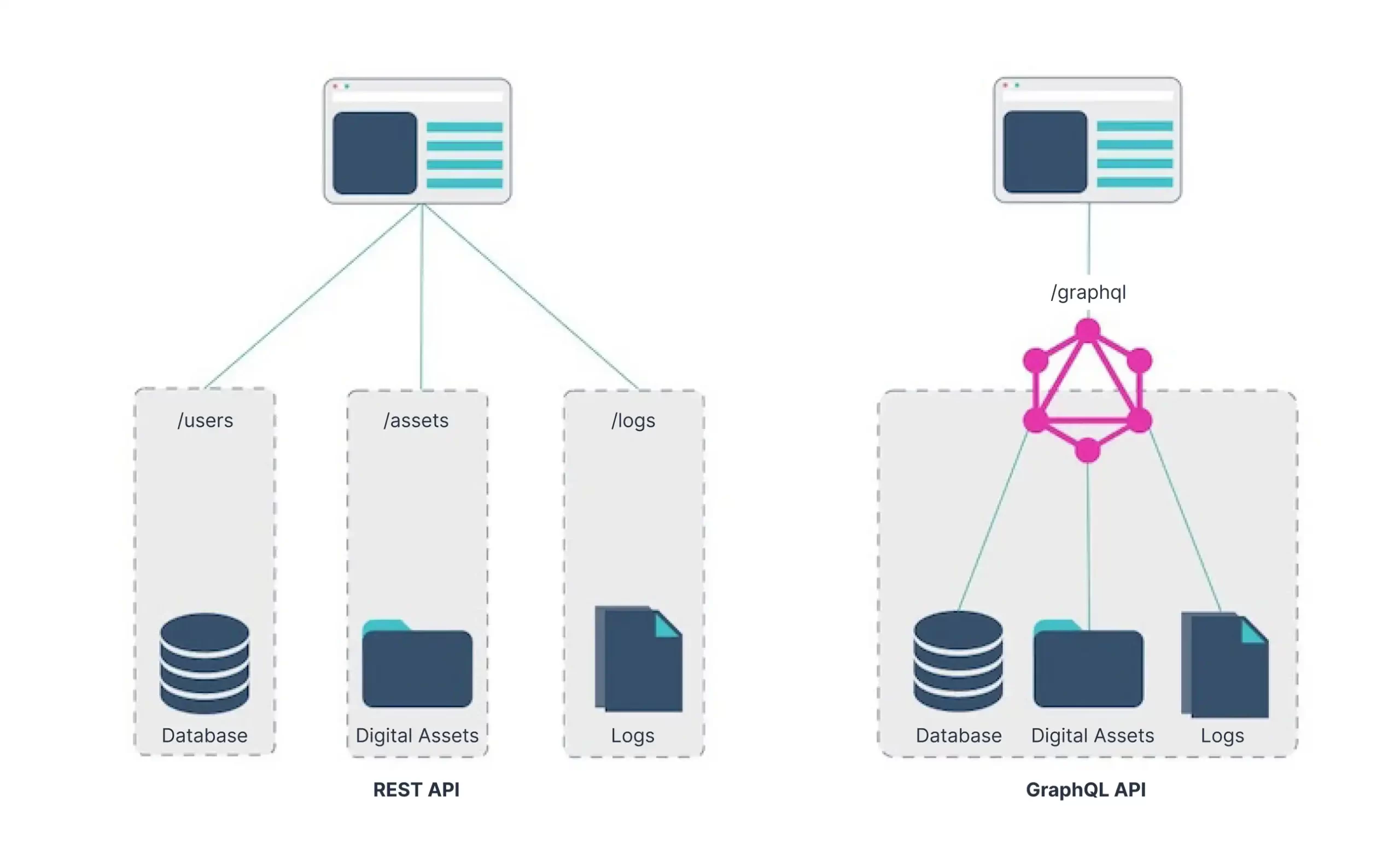
One of the key benefits of GraphQL is that it allows access to data from multiple sources in a single request. This reduces the number of API calls and speeds up data retrieval. This feature becomes especially useful in content management systems (CMS), where large amounts of data are processed.
Unlike traditional REST APIs that often require custom queries, GraphQL lets developers access and manage data with less code. This is a big advantage when handling complex data sets, as it simplifies the development process.
GraphQL is also flexible and scalable. It can retrieve data from different databases and services, making it easy to add or change data sources in the future. Developers can use it to build dynamic applications that offer personalized experiences and faster content delivery.
Overview of GraphQL Syntax and Components
GraphQL provides an intuitive way to define and request data structures. Its three main components—queries, mutations, and subscriptions—allow developers to interact with APIs more efficiently.
Queries are used to fetch data, mutations to modify it, and subscriptions to listen for changes. These components make GraphQL powerful and easy to use.
The syntax is based on the Schema Definition Language (SDL), which outlines the data structure in plain English. This makes it easier for developers to understand and use.
A typical GraphQL query resembles a JavaScript object with key-value pairs. For example: { user { name age } } would return the user’s name and age.
GraphQL requires precise syntax. It also includes built-in validation to ensure that requests are accurate and secure.
How GraphQL Enhances CMS Functionality
Using GraphQL in a CMS enhances both speed and performance. It lets developers fetch only the data they need, which improves responsiveness and reduces loading times.
Because fewer API calls are needed, pages load faster, and the user experience improves. Developers can also write simple queries instead of combining data from multiple sources manually.
GraphQL’s declarative nature and strong type system make it ideal for building consistent and predictable APIs. This simplifies development and enhances CMS functionality.
Adding new features is also easier with GraphQL. Since the queries are well-defined and strongly typed, content can be added or removed without modifying the codebase significantly.
Connecting the Client and Server with GraphQL
GraphQL creates a bridge between front-end clients and back-end servers. It makes it easy to exchange data quickly and efficiently.
To fetch data, the client sends a “query” command. The server responds with a JSON object containing the requested information. For this to work, both the client and server must use a common format and understand the schema.
GraphQL schemas define how data is structured and related. They allow the client to request only valid data, ensuring consistency and reducing errors.
This setup makes development faster and easier while keeping code maintainable and scalable.
Optimizing Data Fetching Using GraphQL
GraphQL improves data fetching by allowing developers to retrieve specific fields in one request. This reduces unnecessary data transfer and speeds up applications.
Unlike REST, which may return large data sets, GraphQL fetches only the required information. This minimizes bandwidth usage and server load.
GraphQL also enables caching by using unique query IDs. This prevents repeated requests and further enhances speed.
These optimizations make GraphQL ideal for CMS architectures that rely on fast, efficient data handling.
Exploring Advanced Querying Techniques Using GraphQL
Advanced GraphQL queries help maximize performance. By using special features, developers can improve efficiency and reduce complexity.
Aggregates and Grouping
Developers can group, filter, and sort data in queries. This reduces the need for multiple requests and speeds up processing. Aggregate functions like COUNT or SUM help perform calculations without retrieving all data.
Aliasing
Aliasing gives more meaningful names to query results. This makes code easier to read and prevents conflicts when running multiple queries.
Fragments
Fragments allow reusable blocks of query fields. This keeps code clean and helps avoid repetition. Fragments can be used across multiple query types.
Variables
Variables allow dynamic queries. Developers can assign values to variables and reuse them in queries. This improves flexibility and code reuse.
Nested Queries
Nested queries let you request data within related objects. This is useful for retrieving structured data from complex databases.
Mutations
Mutations are used to create, update, or delete data. They work like queries but also change the server’s data.
Implementing Security Measures for GraphQL-based CMS Architecture
Security is crucial for GraphQL-based CMS systems. You must protect sensitive data from unauthorized access.
Authentication and Authorization
Use authentication to verify users and authorization to manage their access. Token-based authentication is often used to secure queries and mutations.
Data Validation
Always validate input data on both client and server. This prevents malicious inputs and improves data integrity.
Encryption
Encrypt data during transmission to protect sensitive information. Encryption also prevents data tampering.
CORS and Access Control Headers
Use CORS policies to control which domains can access your data. This limits access to trusted sources only.
Leveraging Tools for Debugging GraphQL Applications
Debugging is easier with the right tools. Here are a few tools that simplify GraphQL development:
Apollo Client Developer Tools
A Chrome and Firefox extension that lets you inspect queries and responses, view errors, and debug network issues.
GraphQL Inspector
This web-based tool compares schemas, detects changes, and helps monitor usage.
GraphiQL
An in-browser IDE that allows you to write, test, and debug GraphQL queries. It’s easy to use and great for quick testing.
GraphQL Playground
A customizable IDE with real-time error checking and autocomplete. Ideal for larger projects needing more flexibility.
Best Practices and Tips for Using GraphQL in CMS Architectures
1. Define a Schema for Your Data
A well-structured schema ensures consistency and improves query performance.
2. Leverage Modularization
Break down components into smaller parts. This keeps your code clean and efficient.
3. Implement Fetch Policies
Use fetch policies to control how data is requested. This improves speed and reduces latency.
4. Use Error Handling Techniques
Always handle errors gracefully. Display and log them to diagnose issues quickly.
5. Analyze Query Performance
Monitor query performance regularly. Use caching and optimization to improve speed.
6. Use Tools for Debugging
Developer tools like GraphiQL or Apollo DevTools can help troubleshoot and optimize your queries.
Comparing GraphQL and REST
Benefits of GraphQL
GraphQL provides precise, flexible data fetching. Its strong type system helps validate data and improve consistency.
Benefits of REST
REST is simple and easy to understand. It separates concerns between client and server, making maintenance easier.
Comparing GraphQL and REST
GraphQL offers better control and flexibility for complex applications, while REST is often easier for small projects. Choosing between them depends on your specific project needs.
Use Case Scenarios of GraphQL in CMS Architecture
GraphQL improves data access, scalability, and performance in CMS systems.
It enables efficient data retrieval from multiple sources and supports distributed queries. This makes it ideal for large-scale applications and user-friendly APIs.
Developers can use GraphQL to build intuitive APIs, reduce loading times, and enhance user experience. Its flexibility also supports dynamic content delivery and fast scaling.
Conclusion
GraphQL is a powerful tool for modern CMS architectures. It simplifies data fetching, enhances performance, and improves development workflows. With the right tools and practices, you can build efficient, secure, and scalable applications using GraphQL.
Whether you’re replacing REST or building a new system, understanding GraphQL’s syntax, components, and best practices is essential. Adopt GraphQL to streamline your CMS and deliver better user experiences.
Related Reading
- Build a CMS with Microservices-Based Architecture
- Leverage Data for Insights: Discover CMS Analytics and Reporting
- Unlock Optimal Performance: Data-driven Content Optimization
Planning a content platform?
Headless, traditional, or custom — we help teams pick and build the CMS architecture that fits how they actually work.
CMS strategy, architecture, and implementation.
Discuss your CMSA technical conversation, not a sales pitch.