how to integrate CMS with marketing automation
Introduction to Integrating CMS with Marketing Automation
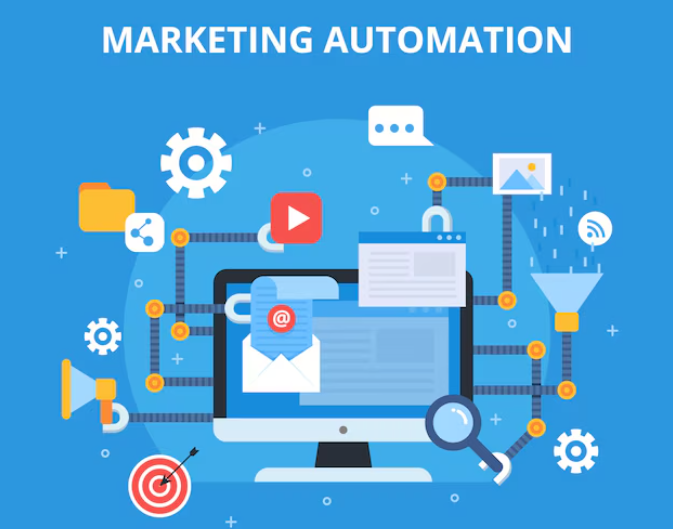
Integrating content management systems with marketing automation offers incredible opportunities to boost conversion rates. It creates a connected platform for content and marketing, which leads to better customer engagement, streamlined campaigns, deeper insights into customer behavior, and more. These integrations are imperative in today’s digital marketing landscape.
Content management systems (CMS) are software solutions that manage web pages, blogs, images, videos, and other digital assets. Think of them as the back-end “brain” of your website—where you create, store, and publish. In contrast, marketing automation tools automate marketing tasks. They help marketers optimize campaigns, target audiences, and generate leads more efficiently.
Combining CMS and marketing automation forms a powerful duo. First, integration gives you valuable customer data. Then, you can personalize and segment content to increase engagement. As a result, customers enjoy better experiences, which boosts conversion rates.
In this guide, we’ll explore how to integrate CMS with marketing automation successfully. We’ll also discuss its benefits, how to choose technologies, customize integrations, and measure success.
Benefits of Building a Connected Content and Marketing Strategy
As businesses expand, the volume of content increases. That includes blog posts, videos, images, and more. This content can build customer relationships, drive engagement, and boost revenue. But it’s challenging to use it effectively to meet business goals.
Integrating your CMS with marketing automation offers many advantages. These include streamlined content processes, optimized customer experiences, and increased loyalty.
Streamline Content Creation and Delivery
CMS and automation tools reduce effort. A CMS helps manage content, track versions, and preview before publishing. Meanwhile, automation tools personalize content, time offers, and handle distribution. Both let marketers understand engagement and tailor content accordingly.
Optimize Customer Experience
CMS and automation can deliver better experiences. By tracking user behavior, marketers learn what content resonates. Then, they personalize that content. Segmentation tools ensure relevant messages and offers reach the right users.
Increase Customer Loyalty
Integration enables a personalized approach. Marketers can understand interests and preferences, then send tailored messages. They can also reward customers with programs like discounts, coupons, or giveaways.
In conclusion, integrating CMS and marketing automation streamlines creation and delivery, optimizes experiences, and builds loyalty. This setup can elevate your content marketing strategy.
What is CMS and How Does It Support Content Marketing?
A CMS (Content Management System) is a platform for creating, publishing, storing, managing, and updating digital content. It provides a user-friendly interface for all types of web content—from text and images to advanced widgets.
From a marketing standpoint, a good CMS is invaluable. With just a few clicks, users can manage content across channels and devices. They can also customize content for specific audiences.
One key benefit: a CMS acts as a centralized content hub. Users can organize, label, and publish content to multiple platforms with ease. It also simplifies tracking and analytics—all data is in one place. So, you can quickly see which content performs best.
Plus, CMS platforms handle coding, design, security, and scalability. This means anyone—even non-technical users—can create engaging content.
Most CMSs are highly customizable. Whether you’re a small business or large enterprise, there’s a solution to fit your needs.
In short, a CMS saves time, improves content experiences, and helps optimize performance.
What is Marketing Automation?
Marketing automation uses software to automate marketing activities. It helps marketers build, manage, and execute campaigns efficiently. It supports tasks such as audience segmentation, data collection, custom content creation, and message distribution.
Automation also tracks customer interactions and provides insights. This data allows marketers to adjust strategies in real-time. That leads to more personalized campaigns and improved outcomes.
How Does Marketing Automation Support Content Marketing?
Content marketing drives engagement and conversions. Marketing automation makes campaigns faster and more effective. It helps marketers tailor content to user preferences and monitor their interactions.
Automation lets marketers segment audiences based on behavior. This results in more targeted content. It also simplifies measuring success and optimizing campaigns.
Overall, marketing automation empowers content marketers to launch campaigns that truly resonate.
Understanding the Relationship between CMS and Marketing Automation
Content marketing is essential, but high-quality content alone isn’t enough. To maximize conversions, you must integrate your CMS and marketing automation platforms.
A CMS manages your content, while marketing automation supports campaigns, lead management, and social outreach. Integrating both lets you tailor content to different audiences and track performance effectively.
This integration improves content targeting strategies. As a result, you can identify top-performing content and update or replace what underperforms.
Integration also streamlines customer data collection and profile-building. It empowers targeted campaigns and improved conversion rates.
By aligning CMS and automation, you enhance content delivery and user experience. That ultimately leads to higher conversion rates.
Choosing the Right Combination of CMS and Marketing Automation Technologies
Choosing the right tech stack is essential. Your CMS and automation tools should fit your business needs.
First, identify your requirements—budget, scalability, security, support. Then, evaluate available solutions and their pros and cons.
Ensure chosen tools integrate with existing systems. Always test integration before full rollout. Involve IT and marketing teams to ensure you select the best solutions.
Aim for a seamless connection between CMS and automation. Don’t sacrifice performance or security. This smooth integration supports excellent customer experiences and higher conversions.
Customizing CMS Integrations
Customizing CMS-automation integrations improves engagement and conversions.
You must know how CMS components and automation platforms interact. Your CMS should connect seamlessly to marketing automation—enabling data sharing, communication, and segmentation.
Configure your CMS to optimize experiences and automate processes. That might include personalized emails, SMS notifications, or social media posts. Make sure integrations meet your data-driven marketing goals.
Lastly, customization improves reporting. You can track engagement and conversions more effectively when systems are integrated.
Executing Campaigns by using CMS and Marketing Automation
After setting up CMS and automation, you’re ready to execute campaigns.
Combine data insights with your CMS’s content capabilities. Then create campaigns that resonate and drive conversions.
CMS helps with quick content creation and modification. Automation customizes content for specific audiences.
Integration also enables better tracking. You can measure engagement, conversions, and ROI while optimizing campaigns as they run.
By using both CMS and automation, you maximize campaign impact while saving effort.
Optimizing Content Targeting Strategies with Marketing Automation
Marketing automation has revolutionized outreach. It enables complex, multi-channel campaigns with precise targeting.
To succeed, define your audience and their content preferences. Use automation for segmentation—based on behavior, demographics, or more.
Then tailor content to each group. For example, customers interested in fitness receive relevant product content.
Automation also optimizes timing. Schedule content when it will be most effective.
CMS integration allows real-time tracking. You can see which content performs best and adjust accordingly.
In summary, CMS + marketing automation fine-tunes targeting. That leads to improved engagement and conversions.
Data Management and Segmentation for Enhanced Customer Experience and Engagement
Data management and segmentation are vital in integrating CMS and automation.
You should gather customer behavior from multiple sources. Then you can segment audiences effectively. This enables more personalized and engaging campaigns.
Dynamic content—powered by data—reduces bounce rates and encourages action.
Tracking segment performance helps optimize targeting. You can identify which segments respond best and adjust your strategy.
Altogether, well-managed data drives engagement and conversions.
Measurement and Reporting on Engagement and Conversions
Measuring content performance can be challenging without the right tools. But when you integrate CMS and marketing automation, you gain valuable insights.
With integrated systems, you can track visitor behavior, campaign performance, and customer engagement. You can then analyze the data to see what content works best.
Integrated reporting helps you segment visitors effectively. This supports targeted content and boosting conversions.
Additionally, integrated systems track customer interactions for upselling and cross-selling strategies.
Overall, you gain a comprehensive view of content performance and can optimize strategy accordingly.
Conclusion and Recommendations for Boosting Conversion Rates
Integrating CMS with marketing automation delivers content and campaigns that meet business goals. When combined effectively, they create engaging customer experiences and drive conversions.
Follow these best practices:
Study and use customer data to customize integrations.
Plan and coordinate campaigns carefully.
Optimize targeting by combining CMS and automation.
Measure engagement and conversion for each campaign.
By applying these steps, you’ll extract maximum value from your integrated platform, boost conversions, and craft more powerful customer journeys.
Related Reading
- Accelerate Content Delivery: Introduction to CDNs
- Achieve High Performance with Content Delivery Networks (CDNs)
- Automate Deployments with CI/CD for Your CMS
Planning a content platform?
Headless, traditional, or custom — we help teams pick and build the CMS architecture that fits how they actually work.
CMS strategy, architecture, and implementation.
Discuss your CMSA technical conversation, not a sales pitch.