Unlock Content Retention Strategies: Leverage a CMS
Defining Content Archiving and Retention Strategies
If you manage a website, blog, or digital records, you need a clear strategy for content archiving and retention. This means understanding what content to keep, when to archive it, and how to store it securely for future access.
Creating an effective system requires careful planning and knowledge of relevant regulations. You must consider the type of content, how long it stays valid, and how users will access it. Here are two key concepts to understand:
- Archiving: This involves deciding which content should be stored and preserved for future reference. It also includes steps to back up files, protecting them from loss or technology changes.
- Retention: Retention refers to how long content should be kept. Regulatory or industry requirements usually determine this. A good system tracks expiration dates effectively.
Once you understand your needs, decide whether to manage this manually or use software like a content management system (CMS). Either option can work depending on your organization’s size and complexity.
Also, ensure the security and privacy of archived content. Use access controls, encryption, and compliance protocols to keep your data safe from unauthorized access or breaches.
Deciding When to Archive Content
Knowing when to archive content is just as important as where you store it. The timing often depends on the content’s value, legal requirements, and how often it is accessed.
Some documents need to be kept for specific periods due to regulations. Others may require indefinite retention. Make sure you aren’t deleting files too soon—or keeping them longer than necessary.
Many businesses use schedules to manage archiving. Some do this monthly or yearly, while others handle it as needed. If your resources are limited, an ad hoc approach may work better.
Manual archiving is time-consuming and error-prone. That’s why many organizations use CMS-based automated solutions. These tools allow scheduled archiving using filters such as date, category, or file type.
When creating your strategy, consider document purpose, storage costs, access needs, and legal requirements. This way, you can build an efficient, long-term system that meets your needs.
Developing a Systematic Approach for Document Retention
A structured retention system helps protect your organization’s data and makes it easier to manage over time. It ensures that only essential, up-to-date documents remain accessible, while older versions are securely archived.
Your system should include all types of documents: emails, reports, graphics, audio, video, spreadsheets, and any digital asset used in daily operations. An accurate inventory helps with retrieval and management.
Start by identifying which documents need to be retained and for how long. Create a logical filing system, enforce access controls, and set up regular data backups. Security is essential, especially for sensitive files.
Remember, retention policies must evolve. Review and update them regularly to reflect business changes or new regulations. A solid policy improves operations, boosts compliance, and enhances security.
Establishing an Effective Records Management Policy
Every successful archiving and retention strategy needs a solid records management policy. This policy outlines how content is created, stored, accessed, updated, and deleted across the organization.
The policy should define content types, categorization methods, retention timelines, and access rules. If you work in regulated industries, like healthcare or finance, your policy must include required legal provisions.
Create a plan tailored to your organization. Define critical documents, use tags for classification, and assign responsibilities. Document all legal requirements that influence your policy.
Once in place, share your policy across the team. Review it regularly to ensure it remains relevant and compliant as business needs or regulations change.
Understanding Regulatory Requirements for Records Retention
Industries like healthcare, finance, and education must follow strict rules when it comes to document retention. Regulations such as HIPAA, FINRA, and FERPA dictate how long and where data must be stored.
These rules protect sensitive data and often specify access levels and storage practices. Failing to comply can lead to serious consequences for your organization.
When designing your archive strategy, tailor it to your industry’s rules. Configure your CMS to meet these requirements and update it as regulations evolve.
Stay informed of new laws and regularly review your policies to keep your archive system compliant. This not only protects your organization but also builds trust with stakeholders.
Designing an Efficient Digital Archive System
Digital archiving helps you manage large amounts of data securely. When designing your system, follow these best practices:
- Research options: Choose a solution that fits your organization’s storage, security, and access needs.
- Use clear directory structures: Organize content into easy-to-navigate folders and subfolders.
- Integrate with your tools: Ensure the archive system works with your current platforms and workflows.
- Make it user-friendly: A simple interface improves efficiency and user satisfaction.
- Consider long-term costs: Account for upgrades, storage fees, and maintenance costs over time.
A well-designed archive system saves time, protects data, and improves compliance with industry regulations.
Leveraging a CMS to Create Content Archive Solutions
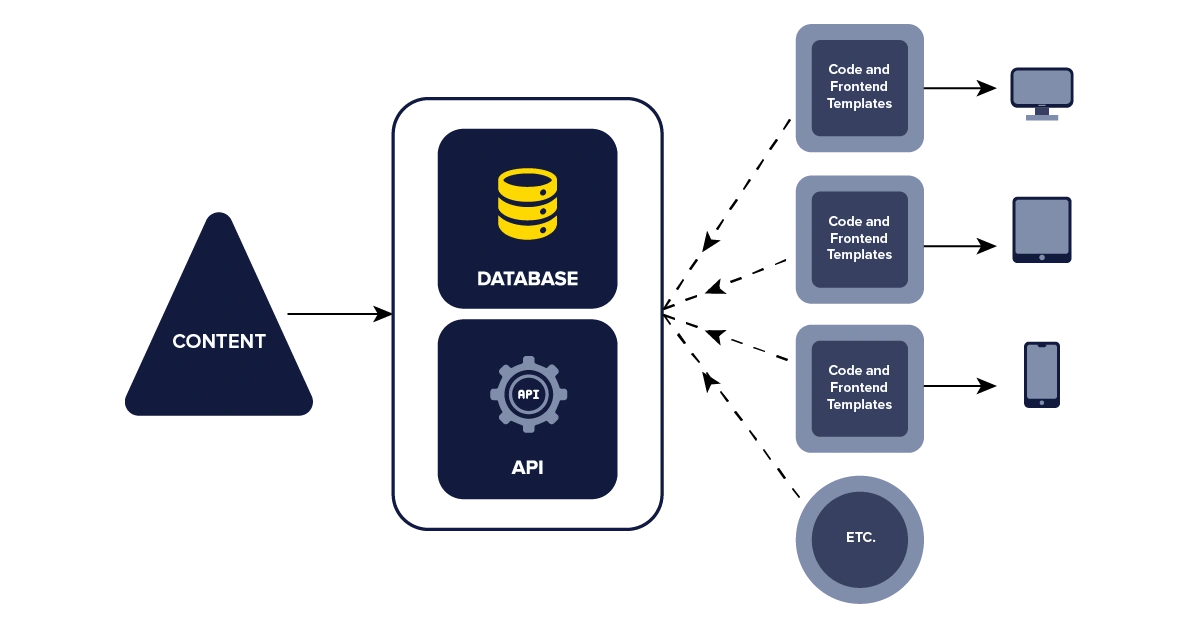
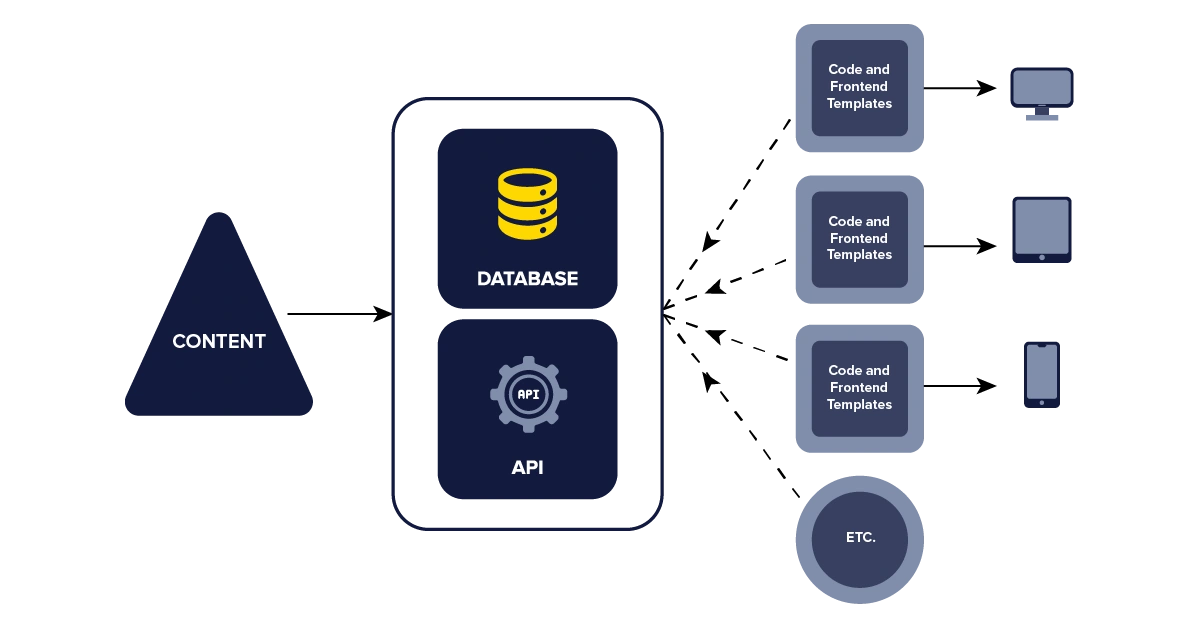
A CMS can simplify content archiving and retention. It helps enforce policies, apply rules, and monitor records—all from one platform.
With the right CMS, you can:
- Create workflows for automatic content archiving
- Set access controls for sensitive data
- Integrate with existing tools and apps
- Scale as your storage needs grow
A CMS also improves auditability and ensures compliance through built-in reporting and tracking tools. For most organizations, it’s a powerful ally in long-term records management.
Crafting an Audit Trail & Accountability System for Content Retention
An audit trail tracks actions taken with archived content. This builds transparency and accountability across your organization.
To create a reliable system:
- Define how long audit data should be kept
- Assign roles to manage and monitor the audit trail
- Log all user actions and changes made to records
- Use automation for consistent data capture
- Regularly review access logs and address any suspicious activity
When combined with strong security, an audit trail gives you full visibility into how data is stored, accessed, and used.
Implementing Access Controls and Security
Protecting archived content is crucial. Access control defines who can view, edit, or delete files. Without it, your data is vulnerable.
- Create user roles with specific permissions
- Use encryption and authentication protocols
- Enable two-factor authentication for sensitive data
- Conduct regular audits of user accounts and permissions
Many CMS platforms offer role-based access control (RBAC) and encryption support. These tools help safeguard your data and prevent unauthorized use.
Configuring Automated Curation Workflows
Automated workflows improve efficiency by reducing manual input. These workflows trigger archiving actions based on specific events or rules.
For example, a document could be archived automatically when it reaches a certain age or changes status. Rules might also decide whether it should be deleted, moved, or retained.
Use your CMS to:
- Automate tagging and categorization
- Route documents to the right folders
- Apply regulatory retention timelines automatically
Review these workflows regularly to ensure they stay aligned with your business and compliance goals.
Administering & Monitoring the Content Archiving System
Ongoing oversight is key to a successful archiving system. Assign a team to manage administration, performance, and compliance.
- Track changes with a detailed audit trail
- Monitor system security and performance
- Update user roles and access permissions
- Perform regular backups
This team should also stay current on emerging technologies and update the system as needed. Keeping everything aligned helps prevent issues before they arise.
Updating Archiving Protocols According to Industry Standards
As regulations change, your archiving protocols should too. Staying current ensures compliance and avoids costly penalties.
Here’s how to stay up to date:
- Monitor changes to regulations and best practices
- Use your CMS to quickly update protocols and workflows
- Schedule audits to evaluate effectiveness and compliance
By keeping your protocols current, you can maintain strong data security and meet industry expectations with confidence.
Related Reading
- Leverage Content Localization for Global Audiences
- Make your Content Mobile Ready: Strategies and Tactics
- Master CMS Transitions: Strategies for Content Migration
Planning a content platform?
Headless, traditional, or custom — we help teams pick and build the CMS architecture that fits how they actually work.
CMS strategy, architecture, and implementation.
Discuss your CMSA technical conversation, not a sales pitch.