
Unlock Efficiency: Streamline Content Processes and Workflows
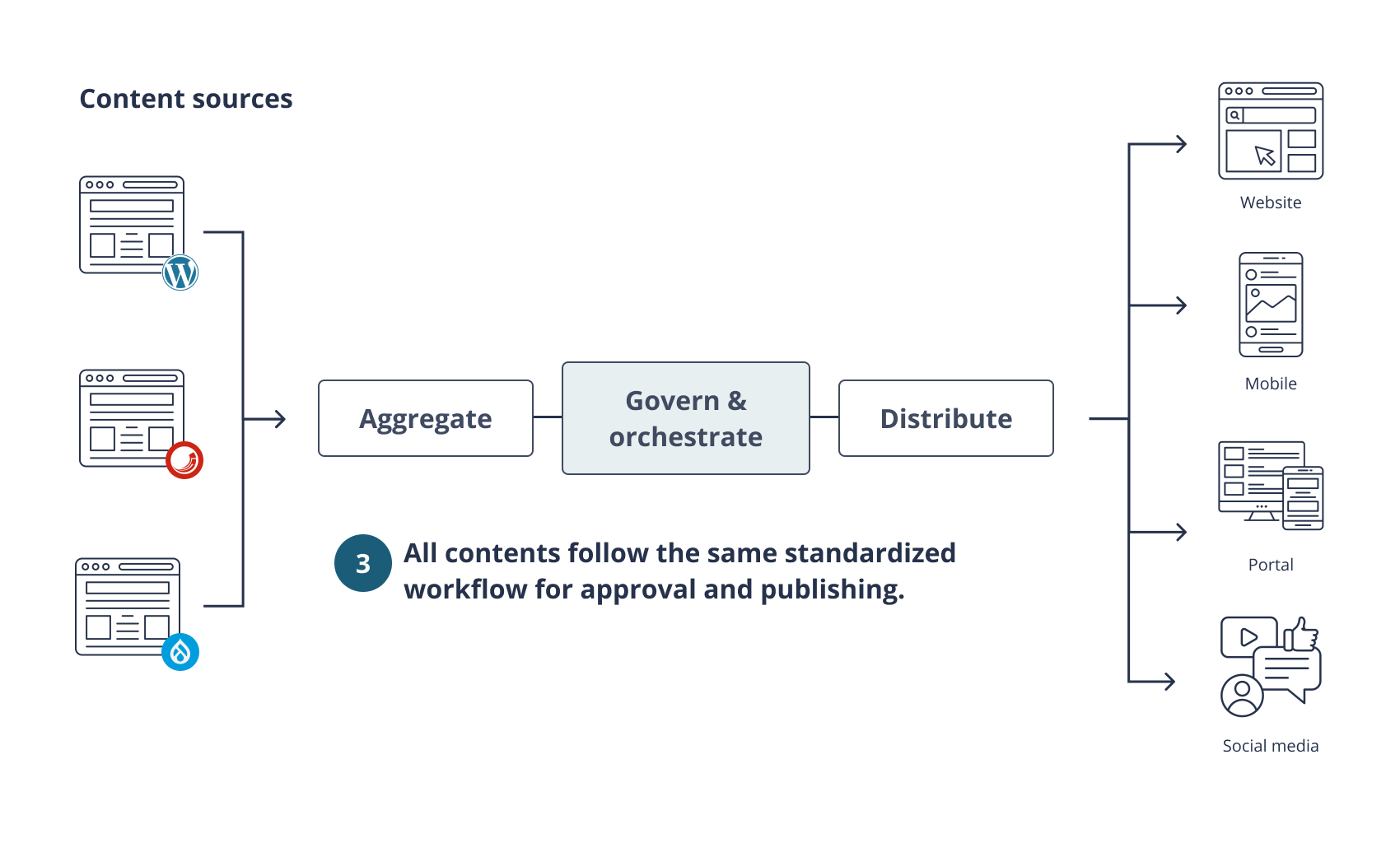
Content automation is becoming increasingly popular among companies as a way to streamline content processes and workflows. It allows organizations to save time, reduce costs, and improve the quality of their production.
In essence, content automation helps automate the production of content, enabling higher-quality results in less time.
So, what is content automation? It refers to systems that allow content creators to automate time-consuming tasks. These may include drafting content, editing, formatting, syndicating to other networks, publishing, and distribution.
Automation increases efficiency significantly. It reduces the time required to produce content. It also ensures consistent quality and frees up teams to focus on strategic efforts instead of repetitive tasks.
Moreover, automation makes content storage and organization simpler. Content can be saved in searchable formats, helping teams manage and repurpose it easily when needed.
Additionally, automation helps reach a wider audience. It allows for distribution across multiple platforms and offers built-in analytics to monitor performance.
Overall, content automation can transform content production workflows, improving efficiency and effectiveness across the board.
What is Content Automation?
Content automation involves automating the creation, distribution, and management of digital content. It helps maintain websites, digital assets, and online content more efficiently.
It supports generating blog posts, social media content, emails, and more. By using automated tools, organizations save time while maintaining quality and consistency.
Additionally, it enhances accuracy. Automation reduces manual steps, allowing creators to focus on strategy and planning. It also boosts SEO by improving content structure and discoverability.
Furthermore, automated tools can draft, format, insert images, and track performance. As a result, content teams get more time for creativity and research.
Advantages of Content Automation
One key advantage of content automation is time savings. Automating steps like editing or formatting boosts productivity and reduces errors.
Moreover, it helps scale content production. Multiple assets can be created simultaneously, allowing businesses to reach larger audiences faster.
Consistency is another benefit. With automated workflows, each piece of content meets the same quality standards and formatting guidelines.
Automation also cuts costs. It reduces labor and operational expenses, which can make a big impact on content-heavy organizations.
In short, content automation improves speed, quality, and cost-efficiency—essential for staying competitive.
Challenges of Content Automation
Despite its advantages, content automation does come with challenges. Setting up an automated system takes time, effort, and often financial investment.
It also involves learning new tools and integrating them with existing workflows. For some teams, this transition can be complex.
Another issue is maintaining the human touch. While automation handles repetitive tasks, it can’t replace creativity and empathy in content creation.
Lastly, poor content quality can lead to poor results. It’s crucial to ensure that source content is accurate and updated before automation.
With proper planning and balance between automation and human input, these challenges can be effectively managed.
Implementing Content Automation
Getting started with content automation begins with auditing your current processes. Identify repetitive tasks such as sourcing content, formatting, and approvals.
Once you’ve pinpointed these tasks, the next step is choosing the right automation tool. Options like Adobe Experience Manager, HubSpot, and Hootsuite offer tailored solutions.
Select a tool that aligns with your goals, technical expertise, and budget. Research user reviews and trial versions if available.
Then, set up your system. This includes designing templates, creating automation rules, and integrating the tool with your CMS and workflows.
If necessary, work with developers or consultants to set things up correctly. This ensures a smoother rollout.
After setup, test your automation regularly. Check that links, formatting, and visuals are consistent across platforms.
Finally, monitor the results. Use analytics to refine your automation rules and improve your process continuously.
Potential Benefits of Content Automation
- Increased Efficiency and Productivity: Content automation can help reduce the amount of time it takes to create quality content. Automating repetitive tasks such as creating copy for blogs or product descriptions can free up your team to focus on evolving content strategies and other important tasks.
- Improved Quality: Content automation can help ensure that you deliver consistent high-quality content. With automated workflows, you can check the accuracy and readability of content before it is published. Plus, you can use automated processes to check for spelling, grammar and consistency.
- Reduced Time to Market: Content automation can help you quickly respond to changes in the market or customer needs. Automated processes allow you to quickly and efficiently update content when required, and this can help you get new content to market faster.
- Cost Savings: Automating content creation processes can save you time and money. By eliminating manual labour and standardizing processes, you can realize cost savings from both avoided labour costs and improved efficiency.
Content automation can also provide a variety of insights into customer behaviour and preferences. Automated processes can track customer responses and interactions with your content, providing valuable data about what works and what doesn’t. This data can be used to improve the quality and effectiveness of future campaigns.
Ultimately, content automation can save you time, money, and help you deliver higher-quality content. By streamlining content processes and workflows, you can ensure your team is focusing on the most important tasks and producing high-quality content quickly and efficiently.
Different Types of Content Automation Tools
Content automation is about making life easier. It enables us to streamline our content processes and workflows, and to create high-quality content faster. But what types of content automation tools are out there? In this section, we’ll explore some of the different types of content automation tools available.
One of the most popular tools for content automation is content management systems (CMS). These are software platforms that allow you to easily manage and publish content, such as websites and blog posts. A CMS can automate many of the processes involved in publishing content, from writing and editing to publishing and distributing.
Another common type of content automation tool is an automatic content cogenerator. This software automatically creates content based on a set of rules you define, removing the need for manual content creation. Some content cogenerators also use artificial intelligence to generate content that is more relevant to your target audience.
Content curation tools are another form of content automation. These tools help you find and aggregate content related to specific topics, which can then be published on your website or blog. This helps save time and effort, as you don’t have to manually search for content to share.
Finally, there are tools for analytics and monitoring. These tools help you keep track of your content performance, and let you know which pieces of content are performing best. This helps you identify and optimize content that is resonating with your target audience, so you can create more of it.
Ultimately, there are many different types of content automation tools out there. It’s important to understand what each tool offers, and how they can help streamline your content processes and workflows. When used correctly, content automation tools can make content creation quicker and easier.
Best Practices for Streamlining Content Processes and Workflows
Streamlining the content process and workflows is key to ensuring that your content is produced quickly and efficiently. There are a few best practices to keep in mind when streamlining content processes and workflows. These include:
- Establishing clear timelines – having clear expectations about when content needs to be produced and delivered can help avoid any last-minute bottlenecks.
- Defining roles and responsibilities – each member of the team should have a specific role to play in the content creation process, and everyone should understand what those roles are.
- Utilizing automation tools – automated content creation tools can help streamline the content production process by automating or simplifying certain tasks.
- Planning ahead – having a set plan for content can help to ensure that all tasks associated with content production are completed on time.
- Regularly monitoring progress – regularly checking in with your team and monitoring their progress can help identify any issues before they become too big of a problem.
By following these best practices, you can ensure that your content process and workflow are as streamlined and efficient as possible. This will help to cut down on wasted time and resources, and will result in higher quality content.
Understanding How Content Automation Can Help You Create Quality Content
Content automation is a powerful tool that can help you create quality content faster, easier and more efficiently. Automated content creation involves automating the process of creating content from start to finish, including researching and data gathering, writing, editing, designing, publishing, and optimizing content.
Using content automation tools can save time and energy by streamlining your content production process. By automating repetitive tasks you can free up more of your time to focus on creating content and engaging with your audience. Automated content can also make it easier to reach people in different countries and regions as automated content can be translated into different languages quickly and easily.
Content automation also helps improve accuracy and consistency as automated content creation tools can reduce the potential for errors in content creation. Automated content also allows you to create content quickly while still maintaining high levels of accuracy and quality. By using automation tools you can save time on repetitive tasks and focus on creating content that resonates with your target audience.
Content automation also helps you to maximize the impact of your content by ensuring quality, accuracy, and consistency. By using automated content creation tools, you can create content that is both engaging and effective, helping to drive more traffic to your website or blog. Automated content also allows you to track and measure the performance of your content so you can make adjustments to optimize the impact of your content.
By understanding how content automation can help you create quality content, you can take advantage of all the benefits that content automation has to offer. Automating your content creation process allows you to produce content faster and with greater accuracy and quality, freeing up your time and resources to create more engaging content.
Conclusion
The world of content automation is innovative and ever-evolving, but the process of streamlining content processes and workflows remains the same. By understanding the advantages and challenges of content automation, you can take steps to ensure your content creation and publication workflows are as efficient and effective as possible.
Content automation can help you create quality content faster, leading to improved user engagement and overall success. This guide provided insight into the potential benefits of content automation, different types of automation tools available, and best practices for streamlining content processes and workflows.
By being intentional with your content automation strategy, you can make sure you’re maximizing the potential of your content creation efforts. With some optimization tweaks, you can take full advantage of automation technology to ensure your content is created quickly and accurately.
These tips and strategies will help you get the most out of your content automation initiatives, allowing you to create more effective content that engages readers. Content automation is an investment that can provide long-term benefits to businesses, giving them the opportunity to scale their content production with ease and consistency.
Now that you’ve read this guide, you have the necessary knowledge and information to move forward with your content automation strategy and take your content creation to the next level.
Related Reading
- Streamline Writing Processes with Content AI Editing
- Master Content Collaboration and Workflow: Streamline Creation
- Unlock Benefits of Content Previews and Approvals for Your CMS
Planning a content platform?
Headless, traditional, or custom — we help teams pick and build the CMS architecture that fits how they actually work.
CMS strategy, architecture, and implementation.
Discuss your CMSA technical conversation, not a sales pitch.