
Unlock the Benefits of Leveraging Microcontent
What is Microcontent?
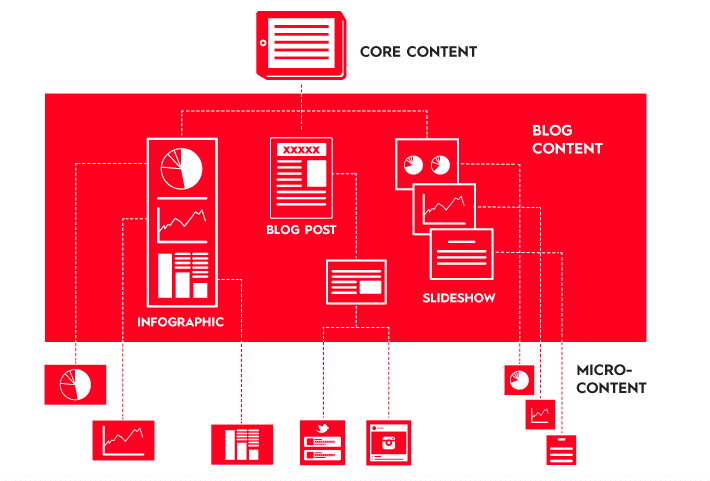
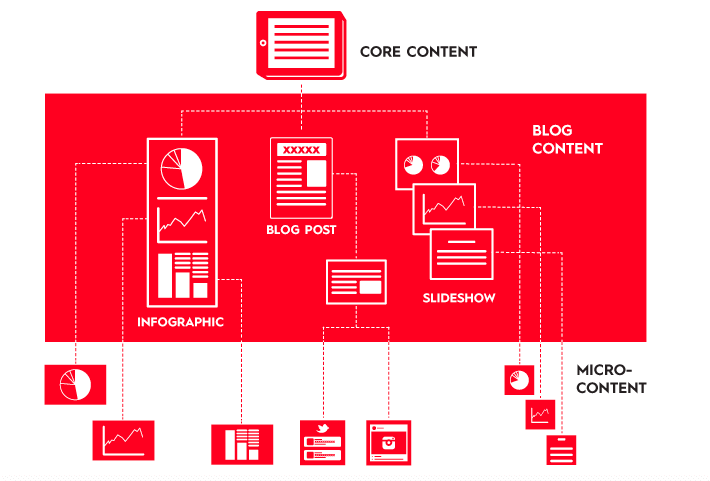
Microcontent refers to small pieces of digital content designed to engage users quickly across any platform. It includes everything from blog snippets and social media posts to infographics and short videos. These concise formats are highly effective at grabbing attention and encouraging interaction.
Unlike longer content, microcontent delivers messages that are focused and actionable. It’s easy to digest and ideal for busy or distracted audiences who prefer quick, relevant information.
In today’s fast-paced digital world, microcontent plays a critical role in communicating quickly and effectively. It’s also cost-efficient, requiring fewer resources to create. Its power lies in its ability to instantly engage users and drive meaningful results.
Microcontent helps businesses and marketers share ideas, promote offerings, and build connections. It can improve SEO rankings, reinforce brand loyalty, and attract more attention with less effort.
Whether you’re optimizing for search engines or building customer relationships, microcontent is an adaptable and impactful strategy. Use the right keywords, choose relevant topics, and deliver value-packed content to achieve real engagement.
Dissect Different Types of Microcontent
Microcontent comes in many formats, each suited to different goals. Knowing the available types can help you select the best options for your strategy.
- Social media posts: Short, engaging updates limited to 140–280 characters that help boost brand awareness and connect with audiences.
- Hashtags: A searchable way to group content, spark conversation, and improve discoverability across platforms.
- Videos: Short video clips deliver visual storytelling and are perfect for explaining ideas or showcasing products quickly.
- Images: Visuals help break up text and drive attention. They can highlight offerings, tell stories, or enhance written content.
- Infographics: These combine data, text, and visuals to present complex information in an easy-to-understand format.
- Interactive content: Quizzes, polls, and games boost engagement and encourage users to interact with your brand.
- Podcasts: Audio content that allows audiences to consume information while on the go, ideal for busy users.
Each type serves a unique purpose. Understanding these formats helps you choose the most effective way to reach your audience.
Discussing the Benefits of Leveraging Microcontent
Microcontent offers a wide range of benefits for businesses and organizations aiming to boost visibility, engagement, and conversion.
By breaking content into smaller pieces, companies can share key messages more frequently without overwhelming users. For example, a new product can be promoted using a series of short posts that highlight different features.
This strategy increases reach across platforms and supports better search engine rankings. It also allows brands to respond more flexibly to user feedback and current trends.
Microcontent can help drive conversions, as its brevity makes it more likely to be read and acted on. It grabs attention faster than long-form content and is more shareable on social media.
From an SEO standpoint, shorter content that includes relevant keywords performs better on search engines. More visibility means more clicks, leads, and sales opportunities.
Overall, leveraging microcontent is a smart way to deliver value, reach wider audiences, and strengthen your digital presence.
Common Mistakes to Avoid When Using Microcontent
To succeed with microcontent, it’s important to avoid common mistakes that can reduce its impact.
Distance from Target Audience
One major mistake is creating content that doesn’t resonate with your intended audience. Know who your audience is, what they care about, and how they prefer to consume content. Tailor your message accordingly to increase relevance and engagement.
Over-Complicating Content
Microcontent should be clear and straightforward. Avoid long sentences or dense information. Keep it concise and focused so readers can easily grasp your message.
Inconsistency in Content
Consistency builds trust and strengthens your brand identity. Maintain a unified voice, tone, and style across all your microcontent to ensure a cohesive user experience.
By steering clear of these pitfalls, you can build a strong microcontent strategy that delivers consistent results and resonates with your audience.
Introducing Tools and Techniques to Create and Manage Microcontent
Creating and managing microcontent is easier with the right tools and processes. Content management systems (CMS) like WordPress simplify the creation process by offering templates, drag-and-drop features, and built-in SEO tools.
CMS platforms allow users to preview, edit, and publish content efficiently. They ensure quality and consistency while saving time. Some even offer analytics to measure performance and refine future content.
In addition to CMS tools, consider using:
- Style guides: Ensure brand consistency in tone, visuals, and formatting.
- Project management tools: Organize content plans and publishing schedules.
- Social media analytics tools: Track engagement and performance across platforms.
By combining these tools, you can produce microcontent that is both effective and scalable.
Consider the Role of Algorithms and A.I.
Algorithms and artificial intelligence (AI) play a vital role in optimizing microcontent for maximum impact. Algorithms constantly evolve to organize and recommend content based on user preferences.
AI analyzes behavioral data to help businesses create personalized microcontent tailored to specific audience segments. Platforms like Facebook Ads use algorithms to target users based on location, behavior, and interests.
AI can also suggest new microcontent formats and automate tasks like scheduling or personalizing content. It helps track campaign performance and pinpoint areas for improvement.
When used strategically, AI empowers brands to deliver relevant, timely microcontent that drives results.
Clarifying the Link Between SEO and Microcontent
Search engine optimization (SEO) enhances visibility by helping search engines understand your content. Microcontent supports SEO because it’s short, keyword-rich, and easy to scan.
- Short-form content: Headlines, captions, and social posts grab attention and improve search indexing.
- Long-form content: In-depth blog posts and articles provide context and depth.
Microcontent can supplement long-form content by highlighting key points or improving scannability. This boosts your content’s performance in both search rankings and user experience.
Hashtags and keywords embedded in microcontent also increase discoverability. Combined with engaging visuals, microcontent can generate more interaction and brand recognition.
Strategies for Optimizing Microcontent Creation
To get the most out of your microcontent, apply these proven strategies:
- Keep it simple and concise: Use easy-to-read language and stay focused on one idea per snippet.
- Be creative and original: Offer fresh insights or value rather than repeating common information.
- Use eye-catching visuals: Pair your message with relevant, high-quality images or videos.
- Include keywords: Add SEO-friendly phrases to boost your ranking in search results.
- Have a clear goal: Every piece of microcontent should support a larger objective, such as engagement or conversion.
By following these practices, you’ll create microcontent that captures attention and drives results.
Speculating on the Effects Social Media Platforms Could Have on Leveraging Microcontent
Social media is one of the most effective platforms for distributing microcontent. With detailed targeting options and built-in analytics, these platforms offer powerful opportunities to reach your ideal audience.
Visual formats like GIFs, memes, and short videos perform well on platforms like Instagram, Facebook, and TikTok. Influencer partnerships also help deliver microcontent in more authentic, trusted ways.
Multimedia microcontent tends to earn higher engagement, especially when combined with strategic hashtags. This increases reach and enhances visibility across user feeds.
As users continue to shift toward visual, mobile-friendly experiences, the importance of microcontent on social media will only grow.
Exploring Ongoing Trends in Microcontent
Microcontent is evolving alongside consumer behavior. Staying current with trends can help businesses create more relevant and impactful experiences.
- Personalization: Tailor content to users’ interests to improve engagement.
- Immersive experiences: Use microcontent to create seamless journeys across different media formats.
- Contextualization: Deliver content in the right moment and channel for maximum relevance.
- Integration: Combine microcontent with personalization tools for real-time delivery.
- Data visualization: Break down complex data into engaging, bite-sized visual content.
By following these trends, you’ll be better equipped to create standout microcontent in a crowded digital world.
Using Data to Examine Microcontent Impact
To evaluate the success of your microcontent strategy, you need data. This includes engagement rates, click-throughs, user behavior, and conversions.
Surveys, analytics tools, and A/B testing can provide insight into what content works best. By identifying patterns in user interaction, you can optimize future campaigns and tailor content to audience preferences.
Tracking data over time allows you to measure ROI, refine your approach, and ensure your microcontent is consistently delivering results.
Related Reading
- Unlock Benefits of Content Previews and Approvals for Your CMS
- Unlock Benefits of Content Versioning and Collaboration
- Unlock the Benefits of Headless CMS
Planning a content platform?
Headless, traditional, or custom — we help teams pick and build the CMS architecture that fits how they actually work.
CMS strategy, architecture, and implementation.
Discuss your CMSA technical conversation, not a sales pitch.