Unlock Transparency with Blockchain in Content Management
Introduction to Blockchain Technology
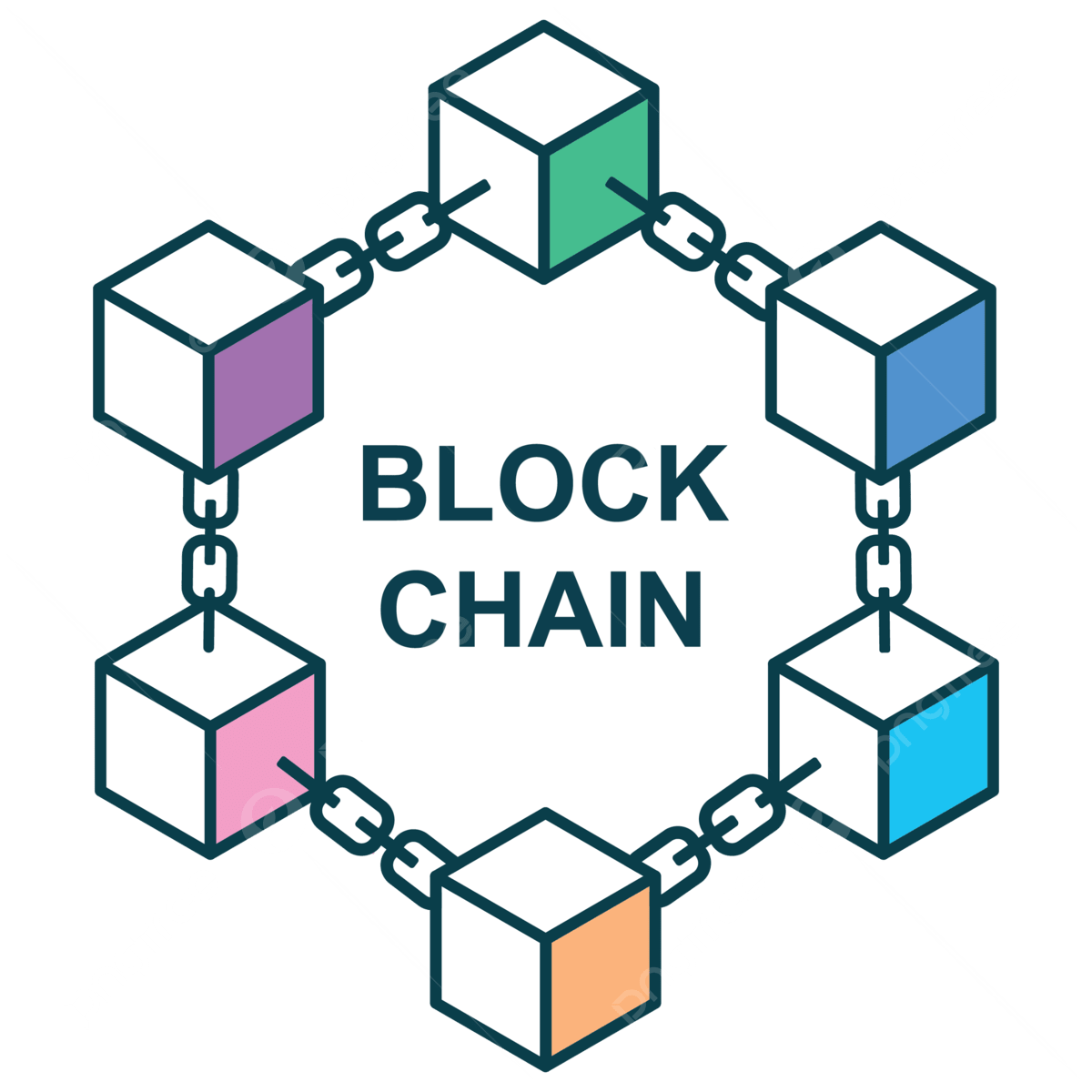
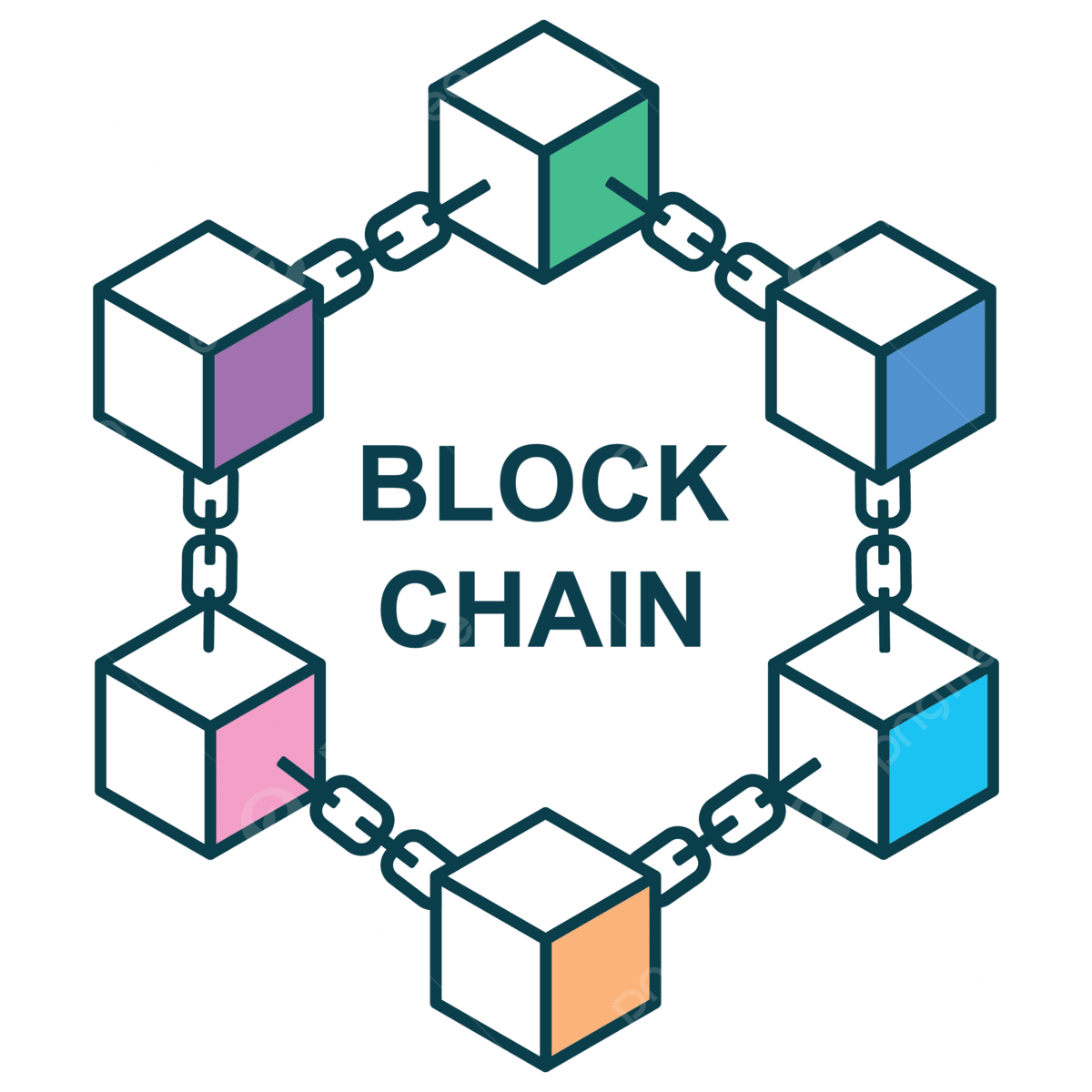
Blockchain technology is a revolutionary, distributed ledger system that enables secure digital transactions. It operates as a decentralized system where each transaction is recorded in a public, digital ledger called a blockchain.
This ledger is accessible to anyone on the network, offering an unprecedented level of transparency in the financial world.
The blockchain consists of blocks of data. These blocks contain information about a particular transaction, such as the date, time, and amount. Each block is assigned to a node, or computer, that stores the data and confirms its accuracy.
After verification, the data is stored in a decentralized ledger, which is viewable by the public. This makes the system transparent and secure.
While blockchain is widely known for powering digital currencies like Bitcoin, its potential extends far beyond finance. For instance, in content management, blockchain offers a secure and transparent platform for collaboration and content distribution.
This technology helps ensure the authenticity and accuracy of digital assets. It also maintains records in a tamper-proof manner.
Blockchain is powered by cryptography and distributed consensus algorithms. It uses complex mathematical functions to store data securely. Only specific users can read or verify this data.
Each transaction is verified by multiple nodes. This process makes it nearly impossible for hackers to alter or delete records, enhancing overall data integrity.
Exploring the Benefits of Blockchain in Content Management
Blockchain technology has been widely adopted across numerous industries, and content management is no exception. By leveraging the power of blockchain, businesses can ensure secure content management, improved trust, and transparency in the system. Let’s explore the benefits of implementing this technology.
Improved Transparency and Data Security
One of the main advantages of blockchain in content management is improved transparency and data security. All data is securely stored on decentralized servers, which makes it difficult for hackers to access vulnerable information.
In addition, contents are cryptographically secured using advanced encryption methods. This makes the data immutable and highly secure.
Creating an Immutable Profile
With blockchain, businesses can create immutable customer profiles. This means the profile cannot be changed, deleted, or manipulated. As a result, the data remains secure and trustworthy, reducing the risks associated with sharing sensitive information.
Allowing Peer-to-Peer Transactions
Blockchain also enables peer-to-peer transactions. Since each transaction is stored on the blockchain, users can send payments directly without relying on third-party intermediaries.
This streamlines the payment process and eliminates the need for paperwork or manual verification. Moreover, blockchain payments are secure and reliable.
Accessibility and Cost Savings
Blockchain allows content creators to enjoy better accessibility and cost savings. With distributed ledger technology, businesses can access content globally. At the same time, they reduce expensive transaction processing fees, since all data is securely stored on the blockchain.
Ensuring Transparency
One of the most notable advantages of blockchain in content management is enhanced transparency. Every data point recorded on the blockchain is visible to platform operators. This ensures that all stakeholders have an accurate, real-time view of the content creation process.
Users can also verify the creation time and origin of documents or content. This verification builds confidence that the content hasn’t been altered since its original creation.
Transparency also helps detect errors or discrepancies. If something goes wrong, the source of the problem can be identified quickly, allowing for faster corrective actions.
Moreover, tracking user activity is easier with blockchain. Every action is linked to a timestamp and user ID, creating a reliable audit trail.
Since the system is decentralized, everyone has equal access to the records. This eliminates dependency on intermediaries and fosters data-driven decision-making with full transparency.
Establishing Trust
Trust is essential in content management. Blockchain helps build that trust between stakeholders in various ways.
One method is through distributed ledgers. These ledgers track every change made to content, making unauthorized edits impossible without reprocessing the chain.
Smart contracts also support trust. These digital agreements, stored on the blockchain, automate tasks and ensure that all parties meet agreed conditions.
Finally, blockchain uses public/private key encryption. Private keys authorize transactions, while public keys identify users. This makes all activity verifiable and secure.
Together, these tools foster transparency and accountability across content systems.
Generating an Immutable Profile
Blockchain transforms content management through immutability. Once data is written to the blockchain, it cannot be changed.
This is due to cryptographic hashing, where each block contains a link to the previous one. To alter a single record, one would have to change the entire chain—an impossible task.
Organizations can use this immutability to build verified content profiles. These profiles include metadata like creation date, last modification, and origin. This increases trust and accountability.
Additionally, blockchain helps track content changes over time. This audit trail improves compliance and security in content workflows.
Secured Data Storage
Data security is a key strength of blockchain in content management. All data is encrypted and stored in blocks, which cannot be changed once validated.
Every transaction is time-stamped and verified by the entire network. This makes tampering nearly impossible.
Blockchain also reduces the cost of data storage. By eliminating the need for centralized servers, companies save on infrastructure and maintenance costs.
Because blockchain uses a distributed network, data becomes more accessible and more secure. It can be retrieved from anywhere, without the risks of centralized breaches.
Exploring Different Applications of Blockchain in Content Management
Blockchain has a wide range of applications in content management, including digital rights management, peer-to-peer payments, and secured data storage.
In Digital Rights Management (DRM), blockchain verifies ownership and tracks transactions. This helps prevent unauthorized copying or distribution of digital content.
Peer-to-peer transactions are simplified and secured using smart contracts. These contracts eliminate the need for intermediaries, reducing costs and delays.
Blockchain also secures stored data. Encrypted data blocks ensure only authorized users can access information, reducing the risk of data breaches.
Additionally, businesses can create public, immutable profiles of user activity, helping to verify credentials and ensure trust in the system.
Enhancing Digital Rights Management
Digital Rights Management is essential for protecting ownership and monetizing content. Blockchain improves DRM by verifying digital rights and enforcing rules using smart contracts.
Smart contracts automate permissions and license agreements. Once executed, they ensure that all parties follow the rules exactly as defined.
Decentralized storage adds another layer of security. It becomes harder for hackers to manipulate or steal data. Communication between users and systems is encrypted and traceable.
Blockchain can also issue digital rights tokens. These tokens store licensing data and grant consumers access only if they meet specific conditions. This guarantees fair compensation to content creators.
Allowing Peer-to-Peer Transactions
Blockchain is ideal for enabling peer-to-peer content transactions. Using distributed ledgers, users can exchange digital assets without centralized authorities.
Smart contracts automate the exchange, reducing delays and enforcing terms without the need for third parties.
This is especially useful for content such as music, videos, or e-books. Creators can sell directly to users, maintaining full control over their work.
Blockchain also ensures traceability and authenticity. Ownership transfers are transparent and permanent, which reduces conflicts and fraud.
Digital wallets further simplify transactions, making content monetization easier and faster.
Accessibility and Cost Savings
Blockchain enhances accessibility and reduces content management costs. There’s no need to hire expensive third-party platforms to manage or distribute content.
Because there’s no central authority, overhead costs related to servers, licenses, and maintenance are reduced. This enables businesses to reallocate resources toward growth and innovation.
Eliminating intermediaries speeds up processes. Authentication, verification, and content delivery become faster and more cost-effective.
Businesses benefit from lower operating costs, while users gain quicker, more secure access to content.
Challenges and Limitations of Blockchain in Content Management
Speed
Blockchain transactions can be slow, especially as networks grow. Every update must be shared across all nodes, which creates delays in real-time operations.
Network Security
Though blockchain is secure, the network still requires protection. A single vulnerable node can open the door to cyberattacks, so strong security measures are critical.
Scalability
Blockchains can struggle to handle high transaction volumes. As more users join the network, processing times may increase. Solutions like sharding can help, but the issue still exists.
Cost
Running a blockchain network requires significant computing power. This increases energy use and operating costs, especially as the system scales.
Despite these issues, the benefits of blockchain can outweigh the drawbacks when implemented properly.
Conclusion
Blockchain technology offers several advantages for content management, including transparency, security, immutability, and cost savings. It empowers businesses to build trust and streamline operations.
Although challenges such as speed and scalability exist, they can be managed with the right strategies and tools.
Understanding both the benefits and limitations helps businesses make informed decisions. With thoughtful implementation, blockchain can transform content management and unlock new opportunities for growth and innovation.
Related Reading
- Unlock the Possibilities of AR and VR in Content Management
- Automate Your Content Management with AI Technology
- Gamification in Content Management
Planning a content platform?
Headless, traditional, or custom — we help teams pick and build the CMS architecture that fits how they actually work.
CMS strategy, architecture, and implementation.
Discuss your CMSA technical conversation, not a sales pitch.