
Unlock your CMS Power Personalization User Segmentation
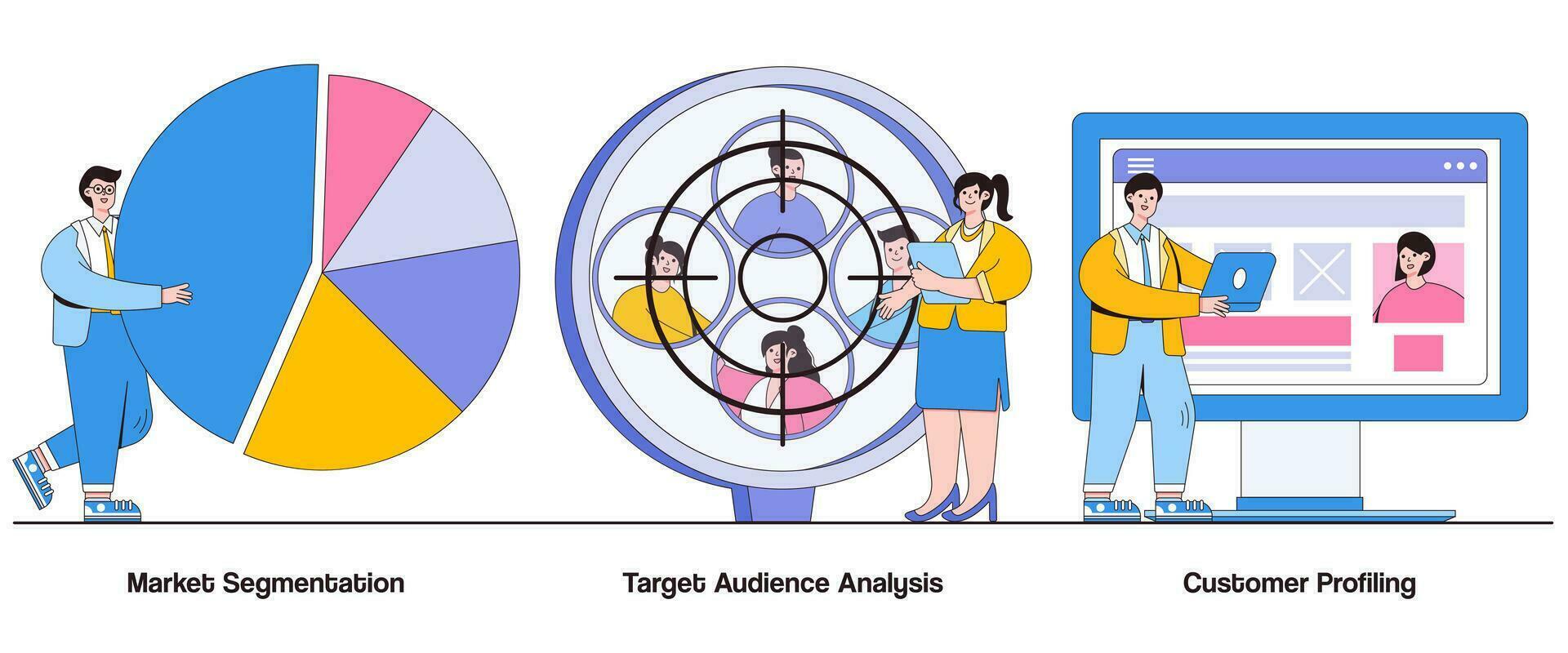
Introduction to Personalization and User Segmentation
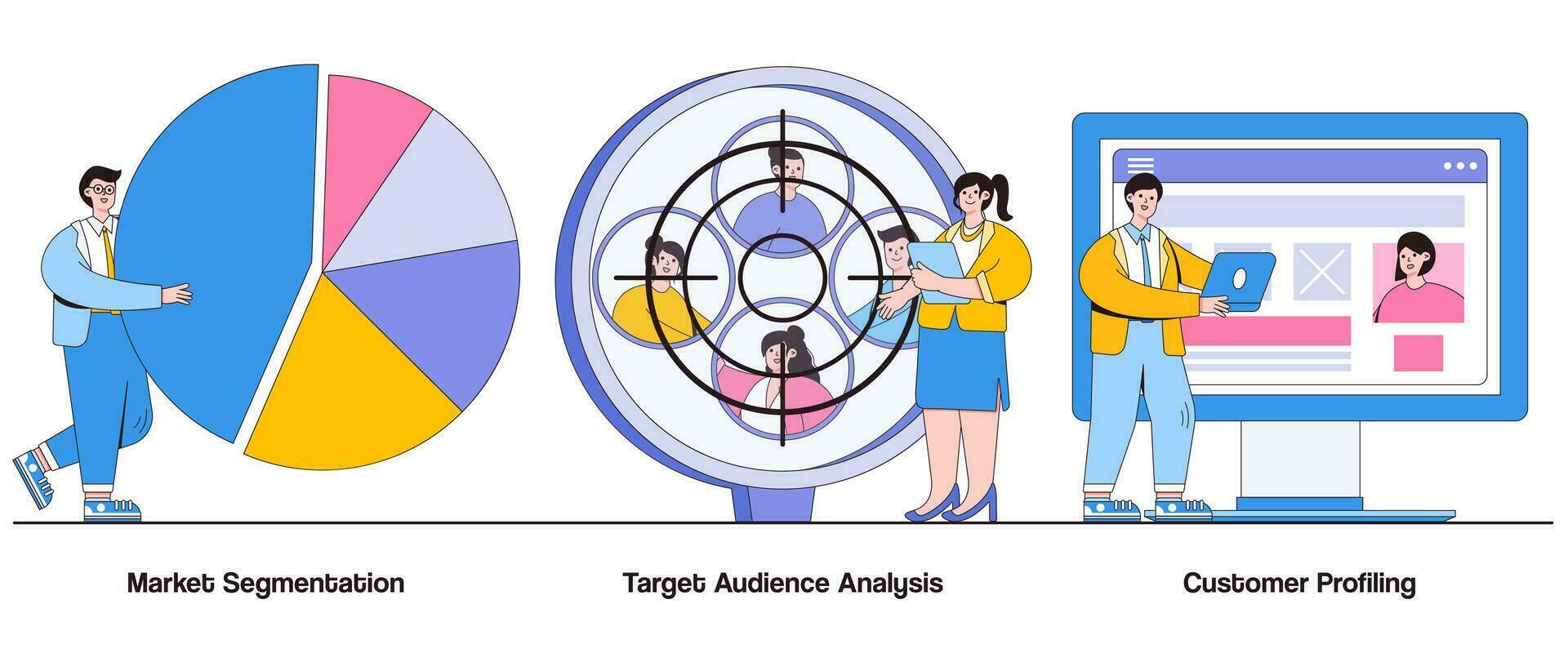
Personalization and user segmentation are powerful strategies used to enhance content management systems (CMS). With personalization, businesses can provide relevant, targeted content that resonates with users. Segmentation divides users into groups based on shared characteristics, helping deliver tailored messages.
These tactics create meaningful experiences, increase engagement, improve conversion rates, and build loyalty. Success requires gathering data from multiple sources, analyzing it, and using insights to develop personalized content strategies.
Exploring the Benefits of Personalization and User Segmentation
Personalization and segmentation help businesses understand their customers. These strategies enable communication with the right audience using relevant messages.
They reveal patterns in user behavior, helping businesses predict content preferences. This creates dynamic, engaging experiences that grow customer bases.
The benefits include improved customer experience, higher loyalty, and increased sales. Personalized solutions help businesses meet customer needs and strengthen brand relationships.
Segmented marketing campaigns allow businesses to target specific groups with customized offers. This increases conversion potential while reducing wasted effort.
Developing a Personalization Strategy
Personalization tailors content and experiences to individual users. To build an effective strategy, businesses must first define their goals—such as boosting engagement or revenue.
Once goals are clear, create a data plan: what data to collect, how to store and use it, and how to overcome privacy challenges. Also, decide how to apply that data in personalized experiences.
Select tools that align with your CMS, support your goals, and allow scalable personalization. The right tools are essential to delivering a seamless user experience.
Tools for Implementing User Segmentation in a CMS
User segmentation divides audiences based on shared traits like behavior, location, or interests. The following tools help marketers execute effective segmentation:
- User profiles: Store user data such as age, location, or purchase history to enable customized content delivery.
- Content management tools: Tailor landing pages, offers, or emails by segment.
- Analytics tools: Measure engagement and identify trends within user groups.
- Third-party integrations: Enrich user data using sources like social media platforms or CRM systems.
These tools help marketers craft relevant experiences that improve conversions and user satisfaction.
Identifying Key Segments Based on User Behavior
Behavioral segmentation helps uncover how users interact with your site or app. Start by identifying patterns: do users prefer video over blogs? Do they favor mobile over desktop?
These insights allow businesses to create content that better matches user expectations. Behavior tracking also reveals new or emerging segments worth targeting.
Refining segments based on updated behavior ensures that content stays relevant and personalized.
Creating Dynamic Content Based on User Segments
Dynamic content adapts based on user data. It can include location-specific offers, past purchase suggestions, or targeted messaging by segment.
Start by defining user groups and understanding their interests. Then use CMS tools or automation platforms to deliver personalized content in real time.
Effective dynamic content boosts engagement, improves conversion rates, and helps build long-term relationships with your audience.
Tailoring Content for Different User Segments
Tailoring content means customizing messaging, visuals, and tone for specific groups. For example, younger users may prefer video tutorials, while professionals may respond better to whitepapers or case studies.
Consider factors like location, age, gender, or behavior. Use these insights to craft meaningful content that meets each segment’s needs and expectations.
This approach improves ROI by delivering high-impact messages to the right audience at the right time.
Understanding and Leveraging the Dynamics Between Segments
Understanding how user segments relate to each other helps you serve overlapping interests. For instance, students may also be part-time workers or gamers.
Use this insight to cross-target segments and optimize your content reach. Analyze which segments influence others and adapt messaging accordingly.
This holistic strategy improves efficiency and maximizes the impact of your personalization efforts.
Integrating Third-Party Data for Improved User Segmentation
Third-party data provides deeper insights into user behavior. Combine internal data with external sources like social media trends, purchase patterns, or demographics.
Use machine learning or AI tools to analyze and segment users more accurately. Data tracking via cookies and pixels also enhances behavioral targeting.
Leveraging third-party data allows you to deliver personalized content that reflects real-time user interests and habits.
Analyzing and Optimizing Content Based on Performance Metrics
Monitor engagement metrics like time on page, bounce rate, click-through rate, and conversions for each user segment. These indicators help assess content effectiveness.
Use A/B testing and performance tracking to refine your personalization strategies. Modify or remove underperforming content and invest in high-performing segments.
Consistent analysis and optimization ensure continuous improvement and relevance across user segments.
Testing and Tracking Results of Personalization Efforts
Define clear KPIs for your personalization goals, such as increasing user engagement or conversions. Test different content versions and monitor their results.
Track changes over time to identify trends and areas for improvement. Use analytics tools to spot gaps, identify drop-off points, and refine targeting.
Ongoing testing ensures your content remains effective and aligned with evolving user preferences.
Staying Ahead of Trends to Take Advantage of New Opportunities
Trends in user behavior change quickly. Monitor shifts in preferences, content formats, and channel usage.
Use AI and machine learning to adapt fast and uncover hidden opportunities. For example, discover emerging audiences or content types gaining popularity.
Staying proactive with new technologies and trend analysis ensures your personalization strategy remains future-ready and competitive.
Related Reading
- User-Generated Content (UGC) - Harness the Power of UGC
- Unlock the Power of Conversational Content
- Boost Website Performance with Dynamic Content Personalization
Planning a content platform?
Headless, traditional, or custom — we help teams pick and build the CMS architecture that fits how they actually work.
CMS strategy, architecture, and implementation.
Discuss your CMSA technical conversation, not a sales pitch.