
What is Content Personalization and Why is it Important?
Introduction: What is Content Personalization and Why is it Important?
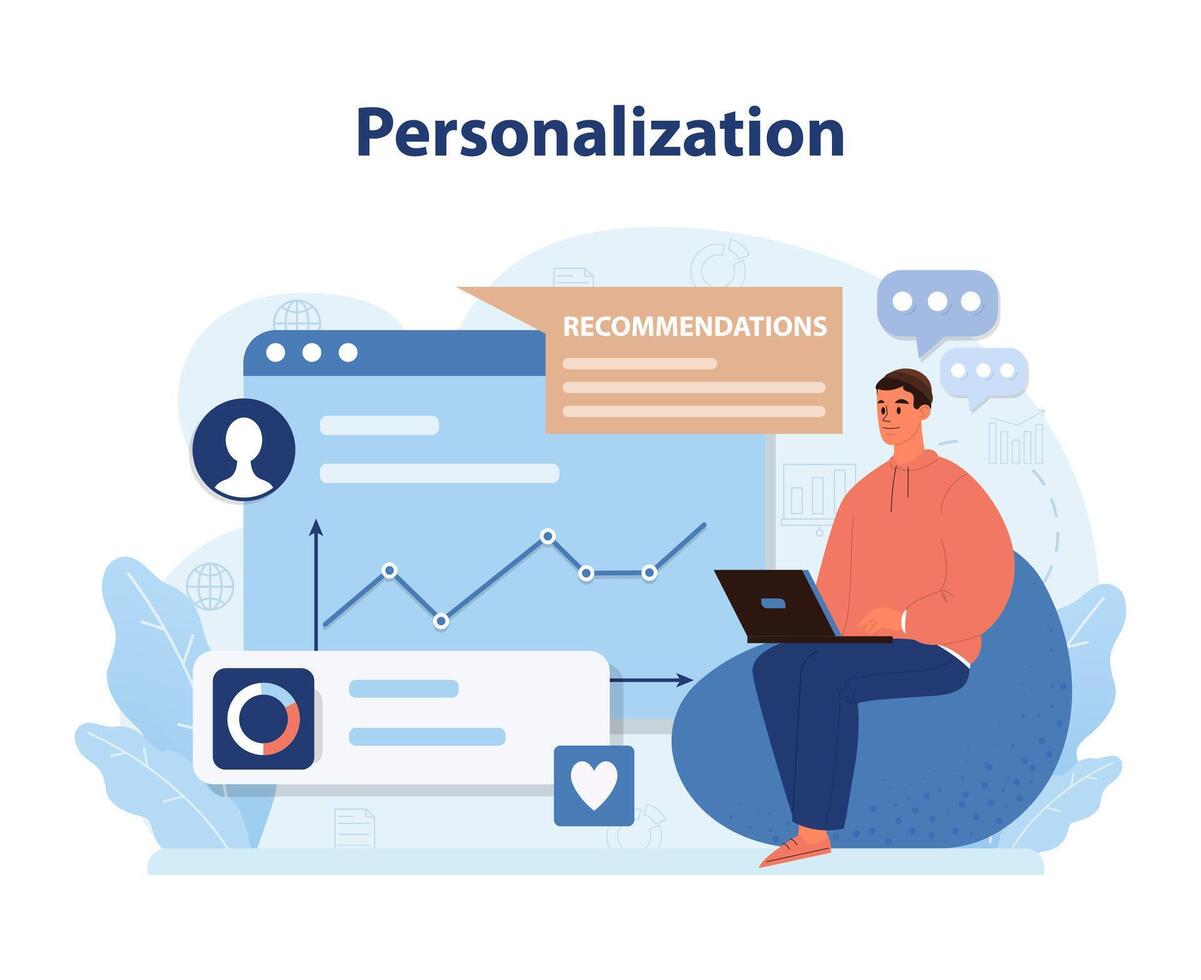
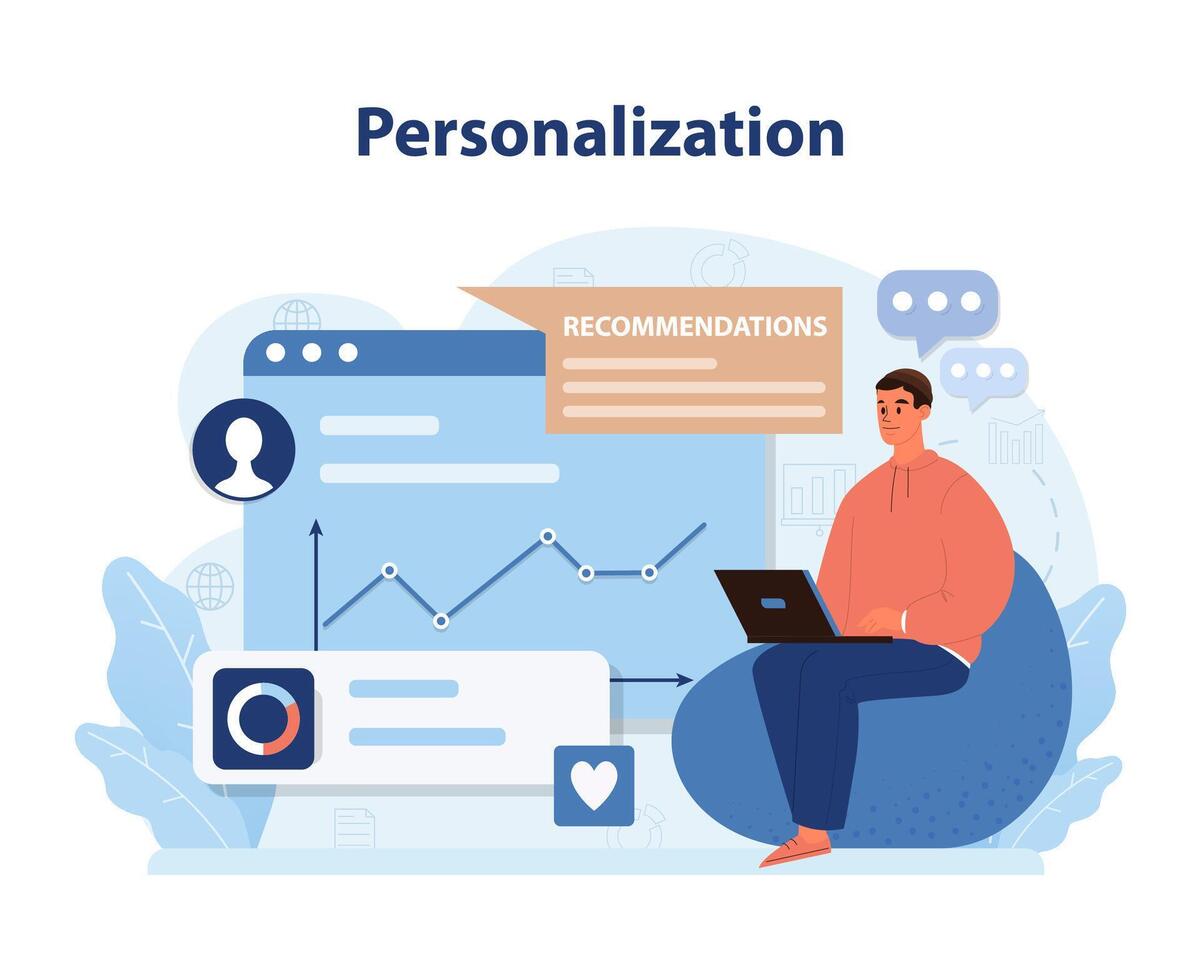
Content personalization is the practice of tailoring website content, advertising messages, and emails to an individual’s interests or preferences. Through personalization, brands can deliver a more relevant, engaging, and meaningful experience for customers.
The goal of content personalization is to create a unique journey for each customer by delivering content that resonates with their interests. This leads to increased engagement and conversions, as customers feel more connected to the brand.
Personalization can also save time by automating content delivery, customer segmentation, onboarding, and other processes. Automation makes it easier to manage personalization at scale.
However, while automation brings efficiency, it can sometimes lead to disconnected experiences. That’s why it’s important to find the right balance—leveraging automation while maintaining a human touch.
By combining automation with human interaction, brands can deliver highly personalized content at scale, improving customer satisfaction and brand loyalty.
Developing a Strong Personalization Strategy
Content personalization plays a vital role in digital marketing success. It helps deliver relevant and targeted content that connects with your audience and inspires action. To see results, you need a solid strategy in place.
Begin by clarifying your goals. Ask yourself what you want to achieve and who you want to reach. Do you aim to boost conversions, increase retention, or improve engagement? Once your objectives are defined, you can create a plan to meet them.
Next, understand your target audience. Who are they? What do they value? The better you understand your ideal customer, the more effective your personalization efforts will be. This knowledge allows you to tailor content that genuinely resonates with your audience.
Don’t forget to set key performance indicators (KPIs). Tracking your KPIs regularly helps you identify what’s working and what isn’t. This enables you to make data-driven improvements.
By investing in a detailed personalization strategy, you ensure your content stays timely, engaging, and effective in reaching the right people.
Automating Processes to Manage Personalization at Scale
Managing content personalization at scale requires efficient automated processes. Automation allows marketers to quickly deliver relevant messages to every customer, streamlining operations and boosting results.
There are three key components to successful automation:
- Select the right technology to segment audiences, track performance, and deliver personalized content.
- Set up workflows that handle tasks like campaign management, email personalization, and performance analysis.
- Test automation performance through A/B tests, customer feedback, and metrics such as click-through and conversion rates.
Automation tools should support lead nurturing, audience segmentation, customer service improvements, and data-driven optimization. Depending on your business needs, multiple workflows might be necessary to manage the process efficiently.
Remember, automation doesn’t eliminate the need for testing. Always test and refine your automated strategies to ensure you’re providing a high-quality customer experience.
In short, automation empowers brands to deliver personalized content quickly and at scale—without sacrificing quality or impact.
Understanding the Implications of Technology on Human Interaction
Technology has transformed how we interact with customers. While automation enhances efficiency, it also reduces the human element in communication.
Human-driven conversations are more personal, emotional, and context-aware. In contrast, automated systems can feel impersonal and robotic, lacking emotional nuance.
That said, automation still offers significant benefits. It simplifies complex processes, delivers consistent results, and scales personalization efforts across large audiences. But if overused, it can cause customer experiences to feel generic and disconnected.
The solution is balance. Use automation for speed and consistency while maintaining meaningful human touchpoints. This might involve automating group messages while providing personal replies to support inquiries.
Evaluate how you’re using technology and identify opportunities to make the experience more human. Blending technology with empathy creates a stronger, more engaging connection with customers.
Advantages of Automating the Content Personalization Process
Automating content personalization offers numerous benefits to organizations. It boosts efficiency, consistency, and insight—making it easier to deliver a tailored experience to every customer.
- Save Time: Automation removes repetitive tasks and speeds up content delivery.
- Scalability: Automation makes it possible to personalize content for thousands of users without extra effort.
- Improved Accuracy: Automated systems reduce human error and increase message relevance.
- Enhanced Insights: Data collected through automation reveals customer preferences and helps refine strategies.
With the right tools and strategy, automation can help you personalize content with greater precision, while freeing up time and resources for creative and strategic work.
Challenges of Automation-Only Personalization
Although automation makes personalization easier, relying on it exclusively can cause problems.
One major challenge is limited scope. Automation depends on customer data, which can often be outdated or incomplete. This can lead to inaccurate or irrelevant content.
Another issue is cultural insensitivity. Automated systems may not account for language, region, or social nuances. This can cause miscommunication and reduce effectiveness.
Additionally, automation often lacks transparency. Customers may not realize how their data is being used, which can erode trust and impact loyalty.
To overcome these issues, combine automation with human oversight. This ensures content is accurate, culturally sensitive, and clearly communicated.
Finding the Right Balance: Leveraging Automation While Preserving the Human Touch
Effective content personalization requires the right balance between automation and human involvement. While automation helps manage large-scale personalization, human input ensures authenticity and empathy.
Tools like artificial intelligence and machine learning automate tasks like audience segmentation, targeting, and data analysis. They save time and deliver consistent results.
However, human input is crucial to maintaining emotional intelligence. Personal interactions, like thoughtful customer service responses or campaign insights, make a big difference in customer perception.
Businesses should automate repetitive tasks while keeping human involvement for creative and strategic functions. This blended approach improves both performance and customer relationships.
Examples of Consumer Brands Leveraging Content Personalization at Scale
Several leading brands use content personalization effectively. Here are a few examples:
Amazon
Amazon uses extensive customer data to recommend products. It considers browsing history, purchases, cart behavior, and more to offer relevant suggestions and improve customer satisfaction.
Netflix
Netflix personalizes viewing recommendations using machine learning. It factors in watch time, preferences, and behavior like pausing or rewinding. This keeps users engaged and increases watch time.
Sephora
Sephora offers a “Beauty Profile” via its app, where users input their preferences. This data is used to recommend products and promotions tailored to individual users.
Dunelm
UK home decor brand Dunelm uses Adobe Experience Cloud and AI to personalize its website in real-time. This ensures customers always see relevant products and offers.
These brands show how personalization can drive engagement, improve satisfaction, and strengthen brand loyalty at scale.
Incorporating AI and Machine Learning to Support Personalization Strategies
AI and machine learning are essential to personalizing content efficiently and at scale. They help businesses analyze customer behavior, automate decisions, and refine strategies over time.
AI enables companies to understand customers at a deeper level. It analyzes patterns in purchase history, behavior, and preferences to create tailored experiences.
ML automates personalization by recommending content, segmenting users, and delivering targeted messages. It also processes feedback and performance data, allowing real-time adjustments.
AI-powered analytics tools make it easier to interpret customer data and identify trends. These insights help companies enhance personalization efforts and improve campaign performance.
By leveraging AI and ML, businesses can offer more precise, efficient, and effective personalized content.
Implementing Changes with Internal Teams
Personalization strategies require collaboration between multiple teams, including marketing, IT, product development, and customer service. A unified effort ensures consistency and success.
Start by clearly defining goals, metrics, and success criteria. Ensure everyone understands the strategy and their role in achieving results.
Encourage brainstorming sessions to explore ideas. Assign responsibilities and create a communication plan to track progress and address challenges quickly.
Remain flexible. As technology and customer behavior change, be prepared to update your personalization strategy accordingly. Regular reviews and adjustments are key to long-term success.
Measuring Success and Adjusting Strategies as Needed
Tracking results is essential to improving your personalization strategy. Use data to measure engagement, conversions, and customer satisfaction.
Modern tools offer real-time analytics that highlight what’s working and what isn’t. You can analyze open rates, clicks, purchases, and even customer sentiment.
Use this data to make informed decisions. For example, if a campaign performs well with one audience but not another, adjust your content or targeting strategy.
Content personalization is a continuous process. Evaluate regularly, iterate quickly, and always look for ways to better connect with your audience.
Conclusion: Balancing Automation and Human Touch for Content Personalization at Scale
In today’s digital world, content personalization is vital. To succeed, businesses must blend automation with human interaction to provide memorable customer experiences.
Leverage technology like AI and machine learning to streamline tasks, but don’t forget the importance of the human touch in building trust and engagement.
Involve your teams, track performance, and refine your strategies as needed. When done right, content personalization can boost loyalty, satisfaction, and business growth.
Related Reading
- Boost Website Performance with Dynamic Content Personalization
- Accelerate Content Delivery: Introduction to CDNs
- Achieve High Performance with Content Delivery Networks (CDNs)
Planning a content platform?
Headless, traditional, or custom — we help teams pick and build the CMS architecture that fits how they actually work.
CMS strategy, architecture, and implementation.
Discuss your CMSA technical conversation, not a sales pitch.