
Strategies for Content Management and E-Commerce Retailers
Introduction - Definition of Content Management & E-Commerce
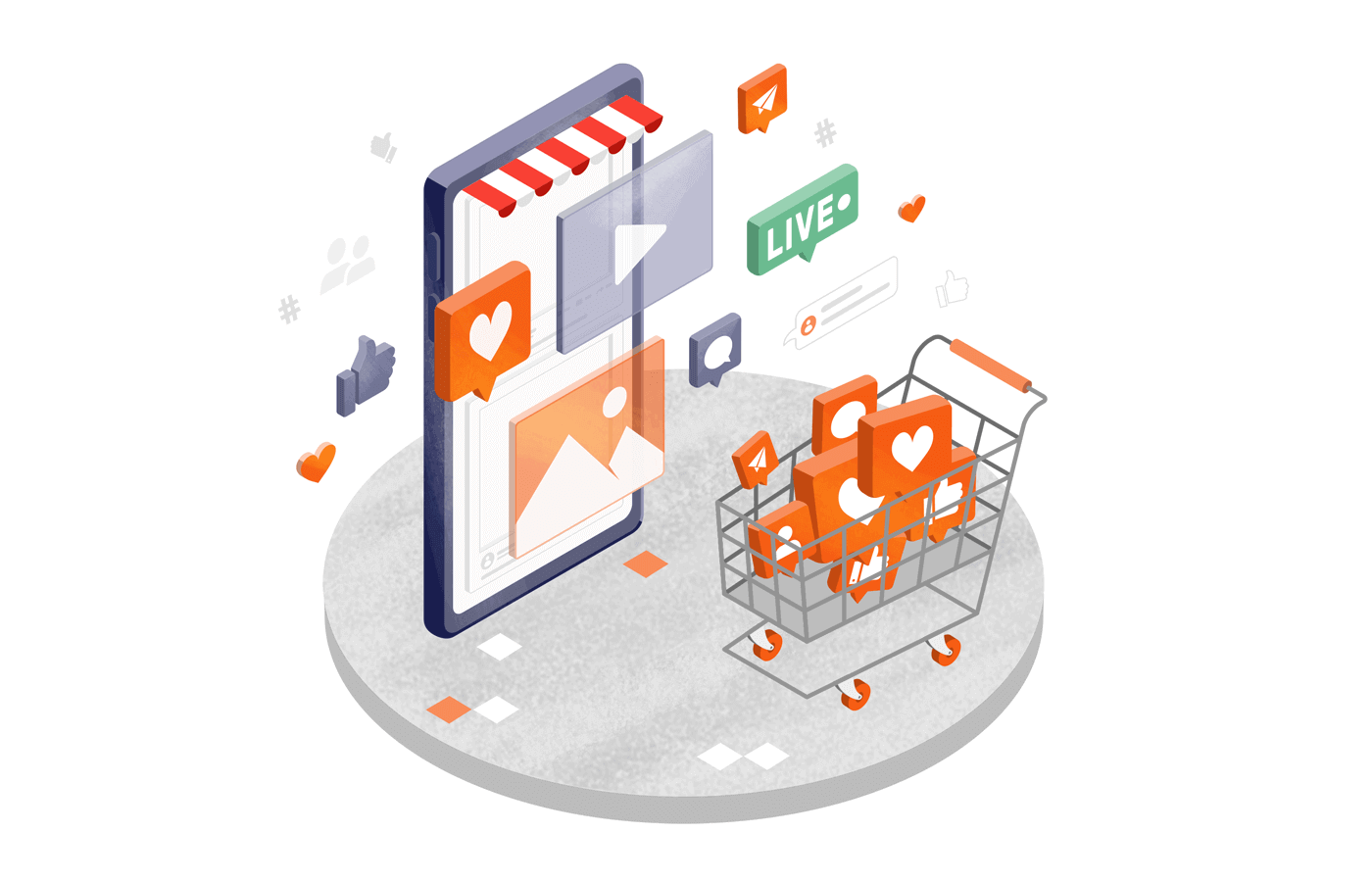
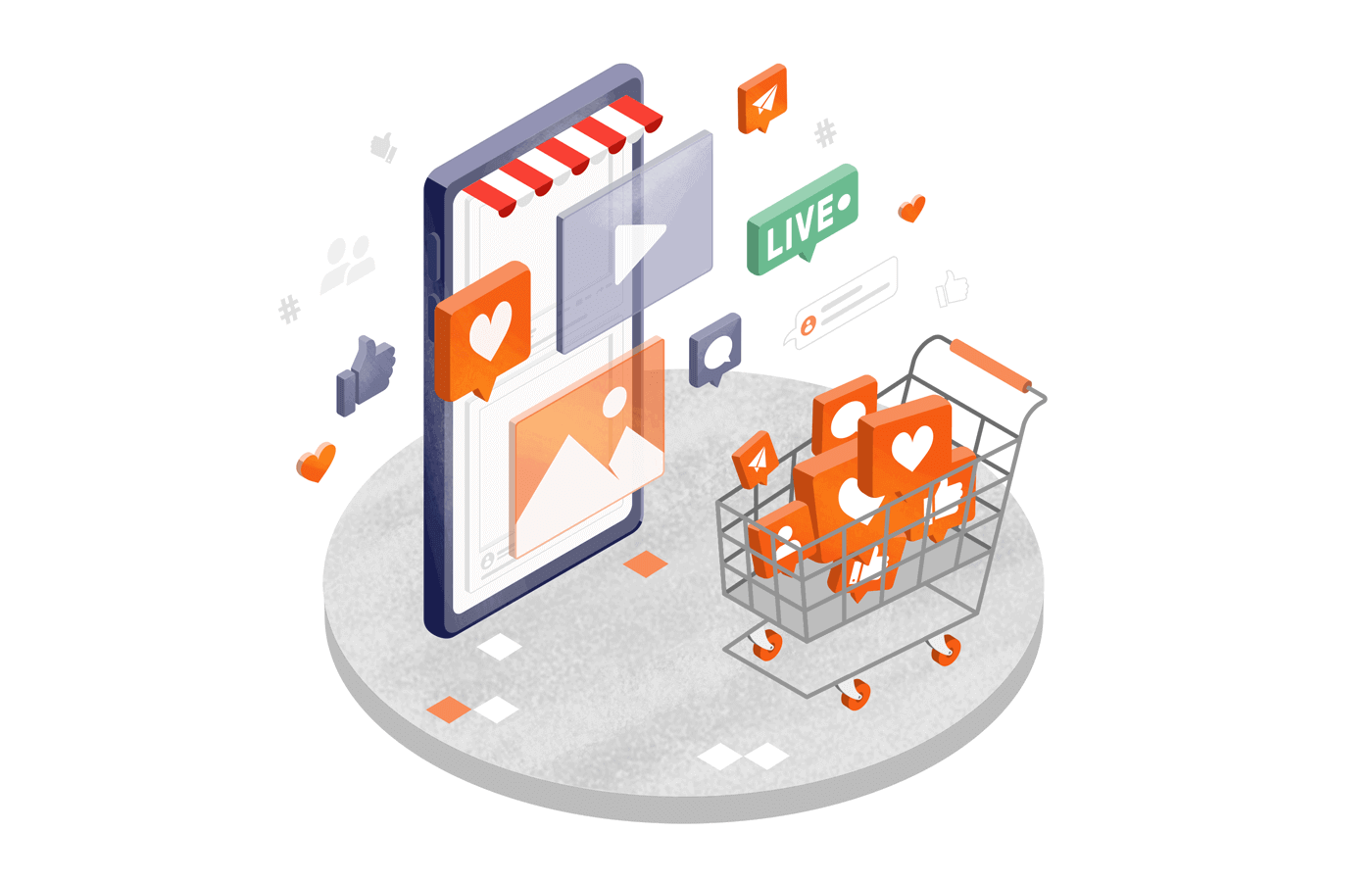
Content management and e-commerce are essential tools for online retailers. Content management involves creating, organizing, managing, and optimizing digital content such as text, videos, images, audio, and more. E-commerce refers to selling products or services directly to consumers through an online platform. When used together, these tools help businesses engage customers and increase sales by showcasing products effectively.
With content management, you can develop a variety of content that appeals to your target users. This content may include website pages, blogs, social media posts, videos, podcasts, infographics, and more. By producing relevant and engaging content, you can build brand awareness, drive traffic to your site, and convert visitors into loyal customers.
E-commerce provides the technology needed to process payments securely, manage inventory, and offer customer support. Using tools like shopping cart software, payment gateways, and fulfillment systems, businesses can streamline operations and boost efficiency.
When combined, content management and e-commerce form a powerful duo. Content helps attract and engage customers, while e-commerce ensures a smooth and secure shopping experience. Together, they give online retailers the resources needed to build a thriving digital business.
Benefits Of Content Management for E-commerce
Content management brings many benefits to e-commerce businesses. A good Content Management System (CMS) allows you to create, manage, and publish content easily. This lets you focus on growing other parts of your business. Below are some of the key benefits of using content management in e-commerce.
Increased Visibility and Reach
Using a CMS helps you reach more people by sharing your content across multiple platforms. When your content is visible on social media and other channels, you give more potential customers the chance to find your products and services.
Higher Quality Content
A CMS allows you to track all published content, ensuring accuracy and consistency. Features like content scheduling let you plan and publish in advance. This leads to higher-quality, on-brand content that meets the needs of your audience.
More Engagement
With content management, you can personalize content based on customer interests. Tailored content fosters better connections and enhances engagement. When users see content that matches their preferences, they’re more likely to stay longer and take action.
Better ROI
Effective content management saves time and reduces costs. Automation and organized workflows increase productivity. This leads to better resource use, improved results, and higher returns on your investment.
For any e-commerce business looking to grow and compete, a strong content management strategy is essential. It enhances visibility, boosts engagement, and drives better financial results.
Understanding Your Customer: Importance of Knowing Your Target Audience
Content only works when it speaks directly to the right people. That’s why understanding your target audience is crucial before creating anything. Knowing who your customers are and what they care about allows you to develop content that connects and drives results.
Start by identifying your ideal customer. What are their interests, challenges, and goals? Ask yourself what information they’re looking for and how your content can help them. Explore similar websites and blogs to understand what topics are already covered and how your content can add value.
Once you define your audience, shape your content accordingly. Use a tone and style that resonates with them. Address trending topics or pain points they might be experiencing. This relevance makes your content more effective and encourages repeat visits.
Also, consider where your audience spends time. Are they active on social media? Then focus on visual, short-form content. Prefer long-form content? Then invest in blog posts and detailed guides. Matching the format to the audience increases the chances of engagement.
Understanding your customer’s needs and preferences is the foundation of great content. With solid research, you can produce content that informs, inspires, and converts.
Content Publishing: Creating Quality, Relevant, Engaging Content
Creating high-quality content is key to the success of your e-commerce website. Great content builds trust, increases customer engagement, drives traffic, and boosts visibility in search engines. It also helps generate leads and convert visitors into buyers.
Your content should be relevant to your website and valuable to your audience. Go beyond basic information—aim to provide in-depth answers to customer questions. Think about what your audience wants to know and find creative ways to deliver that information.
To stay consistent, organize your publishing process. Use a content calendar to plan topics for each week or month. This will help you stay on track and ensure you’re always sharing fresh, timely content. Don’t forget to review and update existing content to keep it accurate and useful.
When writing, use short sentences and clear language. This makes your content easier to read. Add visuals like images, videos, or infographics to make the content more engaging. Also, include relevant keywords to improve SEO and help users find your site.
If writing isn’t your strength, consider hiring a freelance writer who specializes in e-commerce content. An experienced writer can help craft compelling copy that resonates with your audience and drives results.
Content Distribution Strategies for Online Retailers
Creating content is only half the battle. You also need a plan to distribute it. A strong content distribution strategy helps you reach your ideal customers, increase visibility, and grow sales.
Start by identifying where your audience spends time. Do they use social media? Do they read blogs or check email often? Choose channels that match their habits. These might include Facebook, Instagram, Twitter, YouTube, email newsletters, and search engines.
Next, decide what type of content to share on each platform. Blog posts, videos, infographics, and social media updates all serve different purposes. Match the format to the platform and audience. For example, short videos perform well on Instagram, while blog posts work better on your website or LinkedIn.
Use analytics to determine the best times and days to post. Schedule content when your audience is most active. Also, make use of SEO to improve search visibility and attract organic traffic.
Email is another powerful channel. Use it to send newsletters, promote new products, or re-engage abandoned carts. Segment your audience to send more personalized and effective messages.
Consider content syndication to expand your reach. Syndication lets you share your content on other blogs or platforms, getting it in front of new audiences without extra work.
With a solid distribution strategy, you can ensure your content reaches the right people, in the right place, at the right time—leading to better engagement and more conversions.
Content Optimization for SEO in E-commerce
Optimizing your content for SEO is critical to driving traffic and improving visibility for your online store. Without proper SEO, even the best content may go unnoticed. By focusing on the right techniques, you can make sure your content gets found by the people who are most likely to buy from you.
Start with keyword research. Use tools like Google Keyword Planner, Ubersuggest, or SEMrush to find search terms your audience is using. Choose a primary keyword for each page or post and sprinkle related keywords throughout the content naturally.
Make sure your content is easy to read. Use short paragraphs, subheadings, and bullet points to improve scannability. Clear formatting helps both readers and search engines understand your content better.
Optimize meta titles and descriptions. These appear in search results and influence click-through rates. Include your focus keyword and keep the text compelling and relevant to what the page offers.
Use internal linking to connect related pages and guide users deeper into your site. This improves navigation and helps search engines understand the structure of your content. Don’t forget to add alt text to images—it improves accessibility and provides SEO benefits.
Finally, track your performance with tools like Google Analytics and Google Search Console. Monitor keyword rankings, page views, and bounce rates. Use the data to refine your strategy and improve over time.
By optimizing content with these SEO best practices, you can increase your visibility, attract more traffic, and improve your chances of converting visitors into customers.
Using Multimedia to Enhance Product Pages
Adding multimedia to your product pages can dramatically improve customer experience and boost conversions. High-quality images, videos, and interactive content help users better understand your products and build confidence in their purchase decisions.
Start with clear, high-resolution product images. Use multiple angles and allow users to zoom in for a closer look. This gives customers a better idea of what they’re buying and can reduce return rates.
Videos are another effective way to enhance product pages. A short demonstration or unboxing video can show how the product works and highlight its features. Videos also help increase the time visitors spend on your site, which can positively impact SEO.
Consider using 360-degree product views or interactive elements like image sliders. These tools offer a more immersive shopping experience, especially for complex or detailed products.
Don’t forget to optimize your multimedia for fast loading. Compress images, use the right file formats, and add descriptive alt text to all visuals. This not only improves user experience but also helps with SEO.
By incorporating multimedia into your product pages, you make your e-commerce site more engaging, informative, and trustworthy—leading to higher conversion rates.
Leveraging User-Generated Content in E-commerce
User-generated content (UGC) is a powerful way to build trust and social proof for your e-commerce business. It includes things like customer reviews, ratings, testimonials, and photos shared by real users of your products.
Displaying customer reviews on product pages helps potential buyers feel more confident. Positive reviews act as social proof, showing that other people are satisfied with their purchase. Even negative reviews can be helpful if you respond to them thoughtfully.
Encourage customers to leave reviews by sending follow-up emails after a purchase. Offer small incentives, such as discounts or loyalty points, to increase participation.
User-submitted photos and videos can also enhance your product pages. Seeing real people use your products creates a sense of authenticity and helps buyers visualize how the product will fit into their lives.
Make sure to moderate user content to maintain quality and prevent spam. Highlight the best reviews or UGC in marketing emails or on your homepage to build credibility.
UGC not only builds trust but also helps with SEO. Reviews and testimonials provide fresh, keyword-rich content that search engines love. Leveraging user-generated content is a win-win for both engagement and search visibility.
Integrating Your CMS with E-commerce Platforms
Integrating your Content Management System (CMS) with your e-commerce platform can simplify operations and improve your digital workflow. It allows you to manage your content and products from a central location, saving time and reducing errors.
A strong integration between your CMS and e-commerce system means you can publish product descriptions, blogs, landing pages, and promotional content all from the same dashboard. This ensures consistency across your website and simplifies updates.
Look for CMS platforms that support popular e-commerce tools like Shopify, WooCommerce, Magento, or BigCommerce. Most modern CMS platforms offer plugins or APIs for seamless integration.
Integration also makes it easier to personalize content for your customers. You can display targeted messages, recommend products, and adjust content based on user behavior or purchase history—all through your CMS.
Additionally, you can automate tasks like syncing product data, updating inventory, and managing SEO settings. This reduces manual work and allows your team to focus on strategy and content creation.
By integrating your CMS with your e-commerce platform, you streamline your content workflow, improve accuracy, and deliver a more cohesive customer experience.
Measuring Performance: KPIs and Analytics Tools
Measuring the performance of your content and e-commerce strategy is essential to ensure long-term success. Key Performance Indicators (KPIs) and analytics tools help you track your progress, identify areas for improvement, and make data-driven decisions.
Start by identifying the most important KPIs for your e-commerce business. Common KPIs include:
- Conversion rate
- Average order value (AOV)
- Customer acquisition cost (CAC)
- Customer lifetime value (CLV)
- Traffic sources
- Bounce rate
- Cart abandonment rate
Use analytics tools like Google Analytics, Google Search Console, or platform-specific dashboards (such as Shopify or WooCommerce analytics) to gather data on how users interact with your content and website.
These tools help you track where your traffic is coming from, which pages are most popular, and how long users stay on your site. With this data, you can determine what’s working and what’s not, so you can optimize your strategy accordingly.
Set up regular performance reviews. Analyze your KPIs at least monthly to ensure you’re on track to meet your goals. Use A/B testing to compare versions of your content and landing pages, and always strive to improve the user experience.
By consistently measuring your performance using KPIs and analytics tools, you can fine-tune your content and e-commerce strategies for better results and higher ROI.
Scaling Your Content Strategy as You Grow
As your e-commerce business grows, your content strategy must evolve to keep pace with your expanding audience and product line. Scaling your content strategy means increasing your output without sacrificing quality or relevance.
Start by building a content calendar. This helps you plan and schedule content ahead of time, keeping your team organized and consistent. A content calendar also ensures that you’re covering a variety of topics and addressing your audience’s evolving needs.
Next, consider hiring additional writers, designers, or content strategists. You may also want to outsource some content production to freelancers or agencies. This allows you to increase your output while maintaining a high standard of quality.
Use templates, style guides, and editorial workflows to maintain brand consistency. As your team grows, these resources help everyone stay aligned on tone, formatting, and messaging.
Automate repetitive tasks like content publishing, social media sharing, and email marketing. Tools like HubSpot, Hootsuite, and Buffer can streamline your operations and save valuable time.
Finally, don’t forget to revisit your strategy regularly. As your business scales, your audience and competition may shift. Keep an eye on market trends and customer feedback to ensure your content stays fresh and impactful.
Scaling your content strategy is key to supporting business growth and staying competitive. With the right planning and tools, you can grow your content operation efficiently while maintaining quality and consistency.
Conclusion - Combining Content Management and E-Commerce for Success
Content management and e-commerce are powerful tools that, when combined, can drive meaningful growth for your business. Content allows you to attract, engage, and inform potential customers. E-commerce systems enable you to convert that interest into sales with a seamless shopping experience.
By understanding your audience, creating high-quality content, and using the right tools to manage and distribute that content, you can build trust and increase conversions. Whether it’s optimizing your product pages with multimedia, integrating your CMS with your store, or leveraging analytics to improve performance, every step you take enhances the user experience.
As your business grows, scaling your content strategy becomes crucial. Use data, automation, and efficient workflows to expand without losing quality. Stay agile and responsive to customer needs and market trends.
Combining content management with a solid e-commerce strategy puts your business in a strong position for long-term success. With the right balance of creativity, technology, and data-driven decision-making, your online store can thrive in a competitive digital landscape.
Related Reading
- Automate Your Content Management with AI Technology
- Gamification in Content Management
- Make your Content Mobile Ready: Strategies and Tactics
Planning a content platform?
Headless, traditional, or custom — we help teams pick and build the CMS architecture that fits how they actually work.
CMS strategy, architecture, and implementation.
Discuss your CMSA technical conversation, not a sales pitch.