
Blog

A “blog,” short for “weblog,” is an online platform where individuals, organizations, or businesses regularly publish written content in a chronological order. These posts, often written in an informal and conversational style, cover a wide range of topics, including personal experiences, hobbies, news, opinions, and expertise in various fields. Blogs provide a means for authors, known as bloggers, to share information, express their thoughts, and engage with a readership through comments and discussions. Blogs can serve as a creative outlet, a marketing tool, or a source of information and entertainment. They have become an essential part of the digital landscape, with many blogs addressing niche interests and contributing to the dissemination of information and ideas on the internet.

ab-testing-diagram
Blog

Gain Insight: Implementing A/B Testing for Content Optimization in a CMS

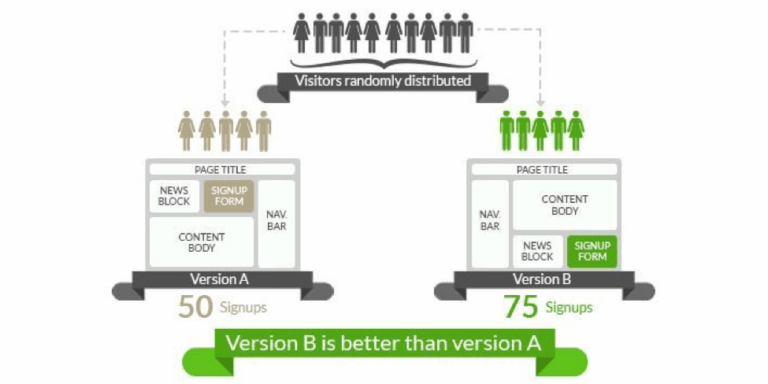
Introduction to A/B Testing for Content Optimization in a CMS A/B testing is a powerful tool for optimizing content on a Content Management System (CMS) platform. It involves testing two or more versions of the same content to see how users interact with each one. By comparing different versions, you can determine which performs best and apply changes to improve overall content performance. Many companies use A/B testing to enhance user engagement, increase conversions, and boost website traffic. It’s also used to explore new messaging approaches and identify which content elements attract the most attention from users. This guide explains the importance of A/B testing, various testing methods, and how to design, analyze, and automate tests within a CMS. You’ll also learn how to use machine learning to improve test quality and achieve long-term optimization goals. Overview of Different A/B Testing Methods A/B testing compares multiple content variants to determine which version performs best. It is widely used across web pages, emails, and mobile apps.
Read More »

Unlock Efficiency: Streamline Content Processes and Workflows

Content automation is becoming increasingly popular among companies as a way to streamline content processes and workflows. It allows organizations to save time, reduce costs, and improve the quality of their production. In essence, content automation helps automate the production of content, enabling higher-quality results in less time. So, what is content automation? It refers to systems that allow content creators to automate time-consuming tasks. These may include drafting content, editing, formatting, syndicating to other networks, publishing, and distribution. Automation increases efficiency significantly. It reduces the time required to produce content. It also ensures consistent quality and frees up teams to focus on strategic efforts instead of repetitive tasks. Moreover, automation makes content storage and organization simpler. Content can be saved in searchable formats, helping teams manage and repurpose it easily when needed. Additionally, automation helps reach a wider audience. It allows for distribution across multiple platforms and offers built-in analytics to monitor performance. Overall, content automation can transform content production workflows, improving efficiency and

Read More »
multilingle-design
Blog

Discover Strategies for Designing Multilingual CMS Architectures

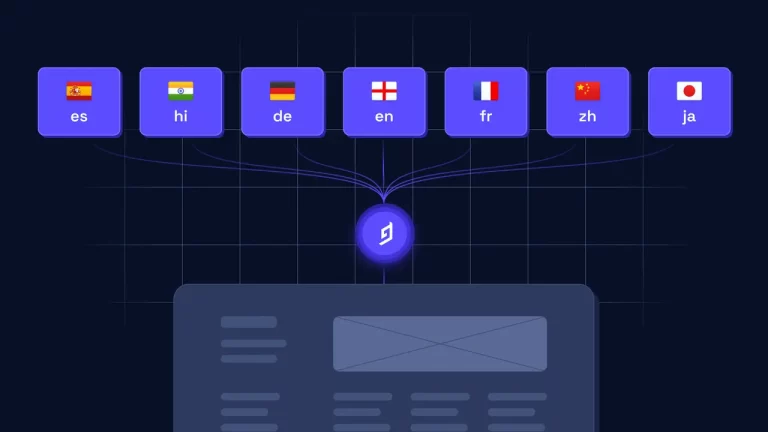
What are Multilingual CMS Architectures? Multilingual Content Management Systems (CMS) are software architectures designed to support websites, applications, and online platforms in multiple languages. These systems enable businesses to operate across language borders with minimal effort and cost. By streamlining content translation and localization, multilingual CMS architectures reduce the need for expensive updates. They also minimize the workload associated with producing regional content, allowing brands to expand into global markets more efficiently. Why are Multilingual CMS Architectures Important? In today’s global digital landscape, multilingual CMS architectures play a vital role. They allow websites and applications to serve content in various languages, increasing their reach and improving user experience. When users can view content in their native language, they are more likely to understand, engage, and convert. Instead of relying on inaccurate machine translations, they access clear and relevant content tailored to their needs. For businesses targeting international audiences, this is a major advantage. Offering localized versions of your product or service enhances credibility, expands market

Read More »
audiance-segmentation
Blog

Unlock Your CMS Power – Personalization & User Segmentation Strategies

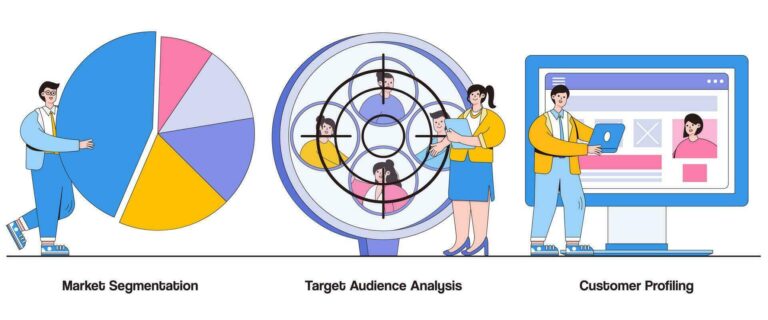
Introduction to Personalization and User Segmentation Personalization and user segmentation are powerful strategies used to enhance content management systems (CMS). With personalization, businesses can provide relevant, targeted content that resonates with users. Segmentation divides users into groups based on shared characteristics, helping deliver tailored messages. These tactics create meaningful experiences, increase engagement, improve conversion rates, and build loyalty. Success requires gathering data from multiple sources, analyzing it, and using insights to develop personalized content strategies. Exploring the Benefits of Personalization and User Segmentation Personalization and segmentation help businesses understand their customers. These strategies enable communication with the right audience using relevant messages. They reveal patterns in user behavior, helping businesses predict content preferences. This creates dynamic, engaging experiences that grow customer bases. The benefits include improved customer experience, higher loyalty, and increased sales. Personalized solutions help businesses meet customer needs and strengthen brand relationships. Segmented marketing campaigns allow businesses to target specific groups with customized offers. This increases conversion potential while reducing wasted effort. Developing

Read More »
Unlock Optimal Performance
Blog

Unlock Optimal Performance: Data-driven Content Optimization

Content Performance Optimization Introduction to Content Performance Optimization Content performance optimization is the process of improving content on a website in order to get more visitors, user engagement, and higher conversion rates. It involves identifying opportunities for improvement, developing strategies, and monitoring results to determine effectiveness. This strategy requires data-driven decisions, such as analyzing user behavior and establishing key performance indicators (KPIs). By evaluating the data, you can determine which changes need to be made to optimize content performance and ensure that your content is meeting its goals. Content performance optimization is an ongoing process that requires constant monitoring and evaluation. It can be used to create engaging content and experiences that are tailored to the needs of your audience. With thoughtful and data-driven decisions, you can create content that drives more traffic, increases conversions, and boosts your bottom line. Understanding the Importance of Data-driven Decisions When it comes to optimizing content performance, data-driven decisions are key. Without being informed by data, it can be

Read More »
App Gamification
Blog

Drive User Engagement and Loyalty with Gamification in Content Management

Gamification in Content Management Gamification in digital experiences Introduction to Gamification in Content Management Gamification uses game mechanics and elements to make user experiences more interactive and engaging. In content management, it helps boost user participation, loyalty, and satisfaction by tapping into people’s natural desire for competition, achievement, and recognition. Whether through virtual rewards like points and badges or real-world incentives such as discounts, gamification transforms ordinary content tasks into motivating experiences. It also enables content teams to track behavior and fine-tune content delivery for better performance and engagement. Definition of Gamification Gamification is the process of adding game-like elements to non-game contexts. In content management systems (CMS), this includes features like rewards, levels, badges, and challenges that encourage users to interact more with content. Though not involving actual video games, gamification uses techniques from game design to turn routine actions into fun, goal-oriented experiences. This leads to increased engagement, higher retention, and better performance from content contributors and consumers. Types of Games Used in

Read More »