
Blog
Uncover the Right Database for Your CMS Solution
Understand Your Objectives and Requirements

Understand Your Objectives and Requirements

Introduction to AI-Powered Content Management Systems Content Management Systems (CMS) have long been essential for organizing digital content. With advancements in artificial intelligence (AI), these systems are becoming even more effective. AI introduces new capabilities such as automated content generation, performance monitoring, and intelligent recommendations. An AI-powered CMS uses machine learning algorithms to generate content, spot trends, analyze data, and suggest improvements. By using AI, content managers can streamline workflows, automate content creation, and gain deeper insights from data. AI-driven CMS platforms help organizations manage, organize, and optimize content more efficiently. They also enhance content production and deliver better customer experiences while offering improved data control. In this guide, we’ll explore how AI supports content management systems. We’ll cover the benefits of autonomous content management, the types of AI used, how AI boosts engagement, and the challenges of balancing automation with human input. The Benefits of Autonomous Content Management Managing content is complex and often time-consuming. AI simplifies this by automating labor-intensive tasks. This allows

Introduction – Understanding the Role of Voice Search and CMS Voice search has become a popular way to interact with digital devices. As technology evolves, more users are turning to voice commands for quick and easy access to information. Behind this seamless experience are Content Management Systems (CMS), which help store, manage, and deliver the content users request. CMS platforms like WordPress enable businesses to create websites and manage content efficiently. Many of these platforms now support voice search functionality, integrating advanced technologies like artificial intelligence (AI), natural language processing (NLP), and text-to-speech (TTS). Voice search allows users to speak their queries instead of typing. For example, someone might ask their smart assistant, “What’s the best Italian restaurant nearby?” CMS platforms power the response by delivering relevant content quickly and accurately. By supporting voice-enabled websites, CMS platforms enhance the user experience and keep businesses competitive. These platforms make it easier to create content optimized for voice commands, allowing companies to deliver timely, relevant information to
Introduction – Overview of SSO and Why It’s Important Single Sign-On (SSO) is an authentication method that allows users to access multiple services or applications using a single set of credentials. This eliminates the need to remember and manage different usernames and passwords for each service. With SSO, users can log in once and gain access to various connected systems, simplifying authentication and enhancing security. SSO is increasingly used in Content Management System (CMS) environments. A CMS allows users to create, manage, and publish content on a website. By integrating SSO, organizations can efficiently manage user identities, improve authentication, and protect sensitive data. SSO also enhances user experience, strengthens security controls, and reduces administrative overhead. For administrators, SSO provides a streamlined way to manage access across platforms. It ensures users are verified before granting access, helping minimize risks and safeguard against unauthorized activity. Overall, SSO improves convenience, boosts security, and simplifies access management—making it a valuable solution for CMS-based environments. Best Practices for Implementing SSO
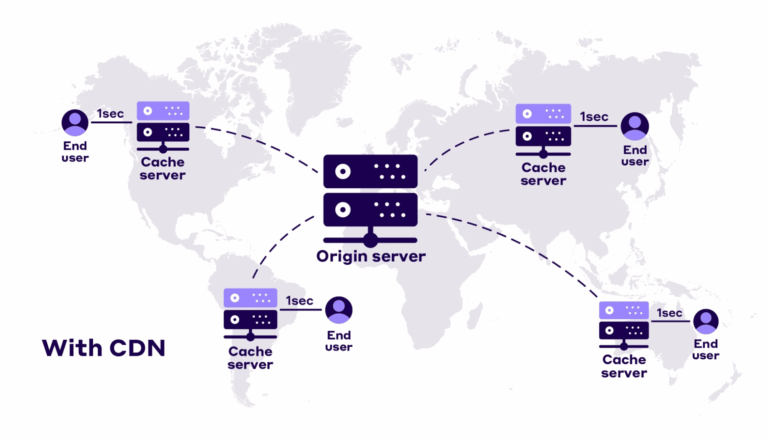
Introduction to Content Delivery Networks (CDNs) Content Delivery Networks (CDNs) are systems of distributed servers that work together to deliver content to users quickly and efficiently. They serve as a bridge between content providers and users, ensuring that content is delivered rapidly and securely with minimal delay. CDNs also add extra layers of security against malicious threats. When a user requests content, the CDN routes the request to the server closest to the user. This reduces the number of hops and speeds up delivery, improving page load times significantly. It ensures content is available faster and more reliably. CDNs are especially useful for websites with a global user base. They store cached versions of content across multiple locations, enabling users to access data quickly regardless of where they are located. This lowers bandwidth usage and ensures consistent access even if the origin server is slow or overloaded. In short, CDNs are crucial for businesses that want to deliver high-performance content while also improving speed, security,

Leverage Content Localization for Global Audiences – Strategies and Tips Content localization is a vital practice for businesses aiming to expand their reach globally. It involves adapting content to match the language, culture, and expectations of different audiences while maintaining accuracy in text and visuals. To make your content resonate globally, you need to follow several important steps before, during, and after the localization process. This guide offers a comprehensive overview of content localization strategies. You’ll learn how to define your target audience, consider cultural nuances, comply with regional laws, measure performance, and more. With these tips, you can create content that effectively connects with your international audience. What is Content Localization? Content localization is the process of adapting text into different languages while ensuring cultural relevance and legal compliance. It allows companies to effectively reach global audiences by offering content that aligns with local norms and preferences. This process involves more than just translation. You must adapt language, tone, images, and videos to each